

- All
- Aquatics
- Awards
- Biking
- Camp Staff
- Camping
- Conservation & Environment
- COPE/Climbing
- Cub Scouting
- Fishing
- National Jamboree
- National Outdoor Conference
- NCAP
- Outdoor Ethics/Leave No Trace
- Properties
- Range & Target Activities
- Safety
- Shooting Sports
- Sponsored Content
- Wheels & Board Sports
Awards
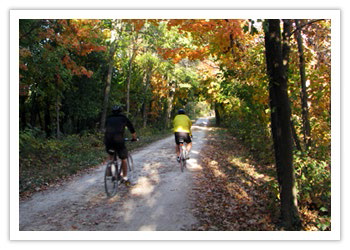
Scouting America maintains a register of approved National Historic Trails. You can find the listing on “The Adventure Plan” (tap.scouting.org). There are several hundred trails across the country. The area and terrain covered by many trail routes hosts an authentic and historic significance and/or a wilderness beauty that adds to the education of Scouting America members. These trails also provide the opportunity for physical fitness and outdoor living.
Two such trails recently added are sponsored by the Three Fires Council of St. Charles IL. They are:
The Illinois Fox River Trail and Illinois Prairie Path Trail.
These two trails are laid in the same tracts as interurban rail systems. The history of interurban service in this country is a fascinating area of the railroad industry often forgotten since many were shut down between the 1920s and the 1940s. These systems were designed for passenger commuting before many people had automobiles and connected certain cities. Their sole purpose was passenger use and had direct service to and from limited destinations.
The rails to trails system in northeastern Illinois was first proposed in the United States during the 1960s. Converted railways have been added to this system for over forty years and have become a part of a national biking and hiking trail system.
By accessing a trail, one can learn the history and importance of these railway systems from previous decades. It will show how conversion and development to a historic trail benefits the communities they pass through today and how the trail system’s future use can lead to better health and experiences for those that enjoy them.
The Fox River Trail spans 44.6 miles and was built on stretches of three former railroad beds. Today, it hosts a multitude of different flora and fauna. Starting at the southern terminus, this rail-trail originates in the charming village of Oswego, 50 miles west of Chicago. The trail begins at the face of the Fox River and has playgrounds, picnic areas, and benches, as well as a restroom and drinking fountain.
The Illinois Prairie Path was one of the nation’s first rail-trail conversions. It consists of five connected trail segments with three main branches. The 58-mile trail follows a very historical rail path. Beginning in 1902, the electric railroad provided passenger service from the western suburbs to downtown Chicago. The Illinois Prairie Path’s 16-mile Main Branch is the most urban of its corridors, which follows city streets with extra wide bicycle-friendly sidewalks. Just when you think you have left the remoteness of the trail; the Lincoln Marsh Natural Area affords a bucolic diversion. With multiple overlooks and interpretive signs, the marsh provides the perfect finishing touch.
Units are highly encouraged to participate in the opportunities that the National Historic Trails program provides. Visit the website for a complete listing of trails, you may be surprised by trails near you!

NCAP
In 2013, Scouting America implemented the National Camp Accreditation Program (NCAP) which was established to help councils elevate camps to new levels of excellence in delivering Scouting’s promise to youth. At this time, Councils became engaged in rigorous reviews of their camps and properties, challenged to have continuous improvement plans, while also reviewing their programs to eliminate any substandard practices.
The Outdoor Programs & Properties Team sat down with Carl Nicolaysen, the National NCAP Chair to talk about NCAP and what it is all about as we reflect on nine years of NCAP!
Outdoor Programs & Properties: What is the main purpose of the National Camp Accreditation Program?
Carl: To help councils elevate camps to new levels of excellence in delivering Scouting’s promise to youth. This is done through promoting top quality programs, health, safety, and the well-being of every camper, leaders, visitors, and staff.
Outdoor Programs & Properties: What do you mean by your comment “delivering Scouting’s promise to youth?
Carl: Every time a youth is recruited to join Scouting, we promise that they will have the best outdoor experience available – NCAP was designed to help councils to meet the promises that were made. Scouting America is known as experts in camping and NCAP helps councils meet the minimum requirements, or standards, to deliver the level of Scouting that the youth, and their parents want them to have.
Outdoor Programs & Properties: Each and every council seems to have a lot of different types of camps, how do they know what standards they must follow?
Carl: There are a set of standards that the different classifications of camps must attain, and it also is determined what programs they are offering. These standards are reviewed each year by subject matter experts to make certain that they are still relevant, and they are helping to guide the councils to success. We continually take a look at these classifications, and they have changed quite a bit over the last nine years.
Outdoor Programs & Properties: So, all a council must do it follow the standards?
Carl: Not quite. The standards are set up to follow the three parts of NCAP – The Authorization, the Assessment, and the Accreditation. Councils apply to be authorized to operate the different camping properties and programs that they operate. Part of this process is designed to make certain that the council not only operates a safe and quality program, but they do it in a quality facility while being financially sound. When the council operates one of the properties or one of the camps, they are assessed to make certain that they follow the specific standards that they must operate under. Once this is done and it is found that they are meeting all the required standards, the council’s program is accredited through Scouting America’s National Camp Accreditation Program.
All of this is described in the standards.
Outdoor Programs & Properties: This sounds like a huge undertaking – who coordinates all of this?
Carl: Scouting America is blessed to have a phenomenal group of volunteers and staff that cover the various aspects of NCAP. The National NCAP Committee oversees the whole process, but there are teams developed for each part.
Authorizations – A team of volunteers work with councils to complete the authorization process. The councils’ complete various documents to help them review their program and to how it effects their council.
The Standards and Governance team leads the review every year of the standards with the subject matter experts in each of the areas and recommends changes needed to the committee. They also handle any waiver, variance, or equivalency determination request that are requested.
The Assessment team is the largest team because they must assess every long-term camp that is operated by the councils. Approximately 2,000 volunteers get training and then visit one or more long-term camp to determine if all the required standards are being met, and that there is a quality program being offered. Councils also self-assess day camps and short-term camps.
Outdoor Programs & Properties: Thanks Carl, we look forward to talking with your team over the next few issues to learn more about what exactly they do.
Carl: We are glad to answer any question to help everyone understand the importance of this program and how we can help council. Continuing to improve the NCAP process and the support/tools it provides local councils is a constant goal for our committee. NCAP is the strongest when it is a collaboration between all of us.
Camping
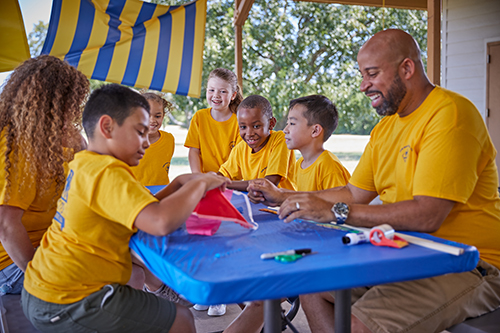
Introducing Cub Scouts and their parents to the thrill of day and overnight camps requires a thoughtful marketing strategy that combines the best practices from Scouting America and successful initiatives from local Scouting America councils. Leveraging social media, website improvements, and print media can create a dynamic and impactful campaign that resonates with families seeking enriching experiences for their young Scouts.
Social Media Engagement:
Harnessing the influence of social media platforms is a cornerstone of modern marketing. Successful local Scouting America Councils often excel in creating engaging content for Facebook, Instagram, and Twitter. For instance, sharing real-time updates during camp sessions, posting testimonials from enthusiastic Cub Scouts, and hosting live Q&A sessions with camp organizers can generate excitement. Be sure to incorporate visually appealing graphics and use targeted advertising to reach specific age groups and interests within the Cub Scout community. How you promote day camp will look different than marketing an overnight camp.
Website Improvements:
Your website is the entry point to converting interest to a registered camper. Local Scouting America councils who have the best success have websites with easy navigation, vibrant visuals, and detailed information on activities. The Greater New York Councils Scouting America, for instance, provides a comprehensive online platform featuring camp highlights, safety measures, and a parent resource section. You could even consider incorporating a blog or news section for regular updates, and ensure the website is optimized for mobile devices for convenient access. Likely the majority of individuals who use your camp website(s) are doing so from their mobile device.
Print Media Campaigns:
Print media remains a helpful tool for reaching parents and Cub Scouts with camping information. Local Scouting America councils, such as the Greater St. Louis Area Council, effectively utilize newsletters and newspapers to share success stories and camp highlights. Brochures and flyers distributed in schools and community centers serve as tangible reminders. Don’t forget to align with Scouting America guidelines for design and content. You could also consider collaborating with local businesses to sponsor and distribute promotional materials. This collaboration can help take financial pressure of your camp budgets.
Testimonials and Success Stories:
One of the most persuasive marketing tools is the authentic voice of satisfied parents and Cub Scouts. Think of how you decide to buy a product. You likely read reviews from others. Consider the use of testimonials in various marketing materials. The Northern Star Scouting Council in Minnesota, for instance, features video testimonials on their website, showcasing the impact of camp experiences. Encourage parents and Cub Scouts to share their stories through written testimonials, photos, and videos to build trust and credibility.
Highlight Educational and Developmental Benefits:
Share the outcomes of camp! Camp delivers the educational and developmental benefits of Scouting programs. Each of us should work to effectively incorporate these messages into camp marketing. The Michigan Crossroads Council, for instance, highlights skill-building activities, leadership development, and character-building experiences in their camp promotions. Align the camp’s offerings with Scouting America’s educational goals and values, emphasizing the holistic development of young Scouts. Parents have many choices of where to send their kids to camps of all types. This focus on why Cub Scout day or overnight camp is so important can resonate with a parent who is looking for a camping program that helps build resilience and skills in their child.
In conclusion, marketing day and overnight camps to Cub Scouts and their parents requires a comprehensive strategy that blends social media engagement, website improvements, and print media campaigns. By leveraging successful examples from local Scouting America councils and adhering to Scouting America guidelines, camp leadership can craft a compelling marketing plan that showcases the transformative and adventure-filled experiences awaiting Cub Scouts in the world of Cub Scout camp.

Camping
We are excited to invite your council to send a Council Contingent to Philmont Scout Ranch during the summer of 2027 — and we are deeply grateful for the work you do every day to inspire young people and strengthen Scouting in your community.
A Council Contingent is defined as a “Provisional Expedition composed of Scouts, Venturers, and Leaders.”
Council Contingents are also a powerful way to reach youth and leaders who may not otherwise attend, helping to prepare future leaders while strengthening your council’s culture of high adventure. We are thankful for the partnership of local councils in making this possible.
Action Needed: To reserve your space for 2027, your council Scout Executive or their designee must complete the Council Contingent Reservation Form and return it by October 15, 2025.
No deposit is required for council contingents. The first payment will be due January 31, 2026, and we are happy to work with councils on payment deadlines that align with your local needs.
As you recruit, please remember:
- Minimum crew size is 8, with at least 3 adults.
- All participants must meet Philmont’s height/weight and health requirements (see the High Adventure Risk Advisory and BSA medical form for details).
- Philmont offers scholarship opportunities to help reduce financial barriers so that more youth can experience this once-in-a-lifetime adventure.
- Our staff is available to visit your council or units virtually, or potentially in person, to answer questions and inspire Scouts and families to sign up.
- Philmont also provides on-site adult leadership support for contingents, so councils can be confident that their youth will have the guidance and encouragement they need while on trek.
We are truly grateful for your commitment to Scouting and to giving young people extraordinary opportunities. Thank you for your continued partnership in making Philmont a reality for the next generation of Scouts. We look forward to welcoming your council’s 2027 Philmont contingent and sharing with you all that makes Philmont the adventure of a lifetime.
Questions? Email Matt.Hart@scouting.org

Camping / Sponsored Content
For many Scouts, the first glimpse of canvas tents lined up across a meadow is when the magic of camp begins. Those familiar green roofs and wooden decks are more than just places to sleep—they are symbols of adventure, teamwork, and traditions that stretch back generations.
Yet across the country, camps are facing a challenge. Canvas that has weathered countless summers is starting to fray. Frames that have stood through storms are growing tired. Inventories shrink, and the thought of “starting over” with new equipment can feel overwhelming—financially and culturally. That’s where Mscapes comes in. Our team believes strongly in preserving the traditions of Scout camping while providing practical tools to keep those traditions alive for the next generation. Instead of asking camps to replace everything at once, we focus on extending the life of the tents you already know and love. One way we do this is by offering replacement canvas covers that fit right onto existing frames. Whether your camp has classic Diamond Brand tents or a mix of other designs, our covers are made from durable, weather-resistant fabrics that extend the life of your tent inventory. A simple swap keeps Scouts dry at night and programs running strong—all without the need for costly overhauls.
For camps where frames are the concern, we provide upgraded steel and aluminum systems built to today’s safety standards but designed to maintain the look and feel everyone recognizes. In most cases, existing decks and platforms can remain the same, saving time and labor while keeping your camp footprint intact. But Mscapes doesn’t stop at repairs and replacements. We know that camp directors face the tough job of balancing budgets while delivering the mission. That’s why we also partner with councils to design revenue-generating options. A growing number of camps have started opening select tent sites to families during the off-season. Parents, siblings, and community members get to experience the same tents Scouts use, often for the first time. These rentals provide steady income that offsets maintenance costs and, in many cases, spark fresh interest in the Scouting movement.
At one council, families booked weekends in the very tents their Scouts camped in all summer long. The experience strengthened connections between parents and the program and created new stories to share around family dinner tables. For the camp, it was a simple way to stretch budgets further—without losing an ounce of tradition. We also understand that change can feel daunting. Budgets are often approved years ahead. Volunteers can be cautious about “too much, too fast.” And the calendar always seems to be counting down to the next summer. That’s why our philosophy is to help camps take incremental, affordable steps forward. Some start with covers. Others focus on frames. Many add rentals when the timing feels right. There’s no one-size-fits-all approach—just practical solutions that honor the culture you already cherish. Because at the end of the day, a Scout tent is more than canvas and poles. It’s a first campfire, a rainy night turned into a memory, and friendships that last long after summer ends. Preserving that spirit is at the heart of everything we do.
At Mscapes, we are honored to walk alongside Scouting America in this journey. Together, we can keep those tent cities standing tall—ensuring that every Scout, now and in the future, has a place to dream, discover, and belong.

Properties
As winter approaches, council properties face the heightened risk of slip and fall accidents due to snow and ice accumulation. These incidents can lead to severe injuries, legal liabilities, and increased insurance costs. Therefore, it is essential to implement effective strategies to prevent accidents on your council’s properties during the colder months. Here are some practical measures that can help ensure safety.
Regular Snow and Ice Removal
The most critical step in preventing slip and fall accidents is prompt and thorough snow and ice removal. Develop a snow removal plan that includes regular clearing of walkways, driveways, and parking areas. Utilize snow shovels, plows, or hire professional services to ensure all surfaces are clear of snow and ice as soon as possible after a storm.
Use of De-icing Agents
Applying de-icing agents, such as salt or calcium chloride, can significantly reduce ice formation on walkways and steps. Property owners should stockpile these materials and apply them liberally on high-traffic areas, particularly in the early stages of winter when the risk of freezing rain is high. Be mindful of the environmental impact and choose eco-friendly alternatives when possible.
Clear Signage and Warnings
Visibility is crucial during winter months. Use clear signage to warn visitors and tenants about potential icy conditions, especially in areas prone to freezing. Signs should be well-placed, easily readable, and reflect current weather conditions. This proactive approach can alert Scouts and Scouters to tread carefully and stay vigilant.
Improve Outdoor Lighting
During winter, daylight hours are limited, making good outdoor lighting essential. Ensure that all walkways, entrances, and parking areas are well-lit to help individuals see any potential hazards. Motion-sensor lights can provide added safety by illuminating areas when people approach, reducing the risk of accidents in dimly lit spaces.
Maintain Safe Walkways
Regularly inspect and maintain all walkways and outdoor steps to ensure they are in good condition. Look for cracks, uneven surfaces, or any other hazards that could contribute to falls. Repairing these issues promptly will enhance safety and reduce liability concerns during the winter months.
Encourage Safe Practices
Promoting safe practices can greatly reduce the risk of slip and fall accidents. Consider delivering a safety moment prior to activities, meetings, training sessions or other Scouting related gatherings. What is a safety moment you ask? Safety moments are a crucial component of Scouting America’s Culture of Safety, underscoring our commitment to identifying, preventing, or mitigating hazards and risks in all Scouting activities. As with other safety-conscious organizations, we initiate meetings and events with a brief pause to discuss potential dangers and how to avert them, focusing the group’s attention on safety protocols. For more information about delivering a safety moment, please review NCAP Recommended Practice 552 or visit the Scouting.org Safety Moments website.
Establish a Reporting System
Implement a clear reporting system for your property’s visitors to communicate hazardous conditions they may encounter. Providing a method for reporting slippery areas, damaged walkways, or insufficient lighting can help you respond promptly to emerging risks. This not only enhances safety but also fosters a culture of vigilance within your property.
Regular Hazard Analysis
Conduct regular safety audits of your properties during the winter months. This proactive approach allows you to identify and address potential hazards before they lead to accidents. Consider involving a third-party safety consultant for an unbiased evaluation, ensuring that all safety measures are adequately implemented and effective. Councils should consult the Enterprise Risk Management Committee Guidebook for guidance about creating a culture of risk mitigation.
Prepare for Emergencies
Even with the best precautions, accidents can still happen. Prepare for emergencies by having first aid kits readily available and ensuring that Scouts and Scouters know how to respond to slip and fall incidents. Keeping contact information for medical services and legal support accessible can streamline the response in case of an emergency.
By taking these proactive measures, property owners can significantly reduce the risk of slip and fall accidents during the winter months. Prioritizing safety not only protects individuals on your property but also safeguards financial interests and enhances the council’s reputation as a responsible property owner.
Cub Scouting
June is National Great Outdoors Month—a perfect opportunity for Scouting America councils to energize and engage Cub Scouts with the wonder and excitement of the outdoors. Local councils play a critical role in shaping memorable and educational experiences that foster a lifelong appreciation for nature and outdoor recreation. During National Great Outdoors Month, councils can highlight the values of Scouting while encouraging families to participate in activities that promote healthy lifestyles, environmental stewardship, and teamwork.
One of the most effective ways councils can celebrate National Great Outdoors Month is by organizing family-friendly events that emphasize exploration and adventure. Local parks, nature centers, and Scout camps offer ideal venues for day hikes, scavenger hunts, fishing clinics, and introductory camping experiences. These events provide a structured, safe environment for young Scouts and their families to develop foundational outdoor skills in a fun and accessible way.
Councils should also consider launching themed outdoor challenges that align with existing Cub Scout advancement requirements. For example, dens can work toward badges such as “Call of the Wild” or “Paws on the Path” through well-planned outdoor programs. Challenges that include tracking hikes with GPS, nature journaling, or birdwatching can make the experience more interactive while reinforcing important Scouting principles like preparedness, respect for wildlife, and Leave No Trace ethics.
Partnering with community organizations and local businesses can further expand the scope and visibility of these activities. Nature conservancies, outdoor retailers, and local fire or police departments may be eager to support Scouting events with gear donations, guest demonstrations, or co-sponsored educational booths. These partnerships not only enrich the Scouts’ experience but also strengthen community ties and raise public awareness about the benefits of youth participation in outdoor recreation.
Councils should also harness the power of digital communication to spread the word. Creating a dedicated National Great Outdoors Month page on the council website, promoting events on social media, and sharing testimonials or photos from past outdoor events can boost participation. Highlighting stories of Cub Scouts overcoming challenges or trying something new outdoors can inspire others to get involved and spark enthusiasm among new families.
Another key strategy is providing resources and ideas for unit leaders and parents to organize their own local adventures. Creating a downloadable guide or calendar of suggested activities—such as backyard camping, bug safaris, or outdoor cooking—empowers families to take initiative, especially if they can’t attend council-hosted events. Encouraging dens to share their activities in a council-wide photo contest or story map can create a sense of connection and friendly competition.
To ensure inclusivity and accessibility, councils should be mindful of different skill levels, physical abilities, and socioeconomic backgrounds when planning events. Offering loaner gear, transportation support, and a range of activity intensities allows more Cub Scouts to participate. When families feel welcome and supported, they’re more likely to engage repeatedly and become long-term members of the Scouting community.
Finally, councils should emphasize the long-term value of outdoor experiences by connecting National Great Outdoors Month activities to year-round programs. Promoting summer day camps, weekend overnighters, or specialized outdoor workshops during June helps maintain momentum and gives families additional opportunities to stay engaged. This forward-looking approach builds a stronger culture of outdoor involvement within local packs and dens.
National Great Outdoors Month is more than a calendar event—it’s a chance to reignite the spirit of discovery in every Cub Scout. By thoughtfully planning inclusive, adventurous, and educational outdoor activities, Scouting America councils can fulfill the movement’s mission of preparing youth for a lifetime of leadership and service, all while fostering a deep and lasting bond with the natural world.

Properties
If your camp location experiences heavy snowfalls during the winter months, your roofs may be at risk of collapsing. It’s not just the amount of snow, but also the snow’s water content that contributes to the overall weight. One inch of water weighs 5.2 pounds per square foot, and snow can have different distributions of water content. A particularly wet snowfall can pose a greater danger for your roof, and rain falling on the snow can triple its weight.
The following tips from Church Mutual can help you prevent roof collapse from snow:
- Regularly inspect your roofs for damage. Well-maintained roofs are less susceptible to snow collapse. Perform an annual inspection on every roof at your camp — or hire a contractor to do so. Remember to follow all safety regulations.
- Watch for warning signs that may indicate structural weakness in your roofs. Warning signs to keep an eye out for include:
-
- Doors or windows that are difficult to open.
- Cracking, popping or groaning sounds.
- Bent or deformed metal roof supports or beams.
- Walls that have cracks or are bending outward.
- Roofline or decking that is sagging or wavy.
- Determine the maximum safe snow depth for each roof. This should be based on each roof’s load capacity as determined by an engineer during the planning and construction process. If you don’t know the load capacity of your camp’s roofs, consider enlisting the services of an engineer to provide you with this crucial information. It’s also important to know the type and amount of snow your camp location typically receives.
- When snow accumulates at your camp location, keep an eye on your roofs. Many camps do not maintain full-time staff on-site during the off-season. If that’s the case for you, be sure to implement a process for monitoring snow depth on your roofs throughout the winter. Watch for snow in roof valleys — low areas of the roof that may end up bearing a larger load of snow than other areas. Check the downwind side of pitched roofs, and if there are dormers or other structures on your roof, watch for accumulation of snow along the sides.
- Remove snow from your roofs before it reaches 50% of the safe snow depth. You can do this by using a roof rake. If this cannot be completed from the ground, consider securing the services of a qualified, licensed contractor, given the risk involved and the potential for damage to the roofs.
- When removing snow from your roofs, do so uniformly, in layers. This will prevent unbalanced loads, which could cause a collapse. Again, consider using a qualified licensed contractor to help you remove snow from your roofs.

Camping / Range & Target Activities / Safety / Shooting Sports
Fall is also one of the best seasons to be outdoors in Scouting. The mornings are crisp, the afternoons are perfect for a hike, and the woods are showing their “true colors” as the leaves change. Around Scouting America, leaders and youth are pulling out the flannel shirts, unrolling sleeping bags, and heading into the beauty of fall for camping trips, service projects, and fun seasonal activities.
Fall is one of the most popular seasons for Scout Camping.
Cooler weather makes campfires more inviting, hikes more enjoyable, and sleeping outdoors beneath the stars a bit more tolerable (ever slept outside in July in Texas?). Lots of units take advantage of the cooler weather to enjoy outdoor activities like:
- Weekend campouts with Dutch oven cooking or cooking over a fire
- Fall service projects like trail cleanup or park beautification
- Orienteering challenges in leaf-strewn forests
- Harvest-themed campfires and fellowship gatherings
And while fall enjoyment is the goal, safety always at the top of Scouting’s agenda goes along with it.
The Temptation of “Pumpkin Chunkin” – And Why It’s Prohibited
It’s hard to imagine fall without pumpkins – pies, jack-o’-lanterns. Certain groups have been tempted in recent years to add “pumpkin chunkin” to their camp activities. If you are not familiar this is using catapults, trebuchets, or air cannons to shoot the pumpkins in the air.
It might look like harmless fun, but in Scouting America, it’s on the list of prohibited activities. The Guide to Safe Scouting prohibits the launching of pumpkins or other objects with tools such as air cannons or trebuchets because of the inherent danger posed by such activity. Hazards include:
- High-velocity projectiles that can injure people or damage property
- Unstable homemade launching devices that can collapse or misfire
- Inconsistent projectile paths that make safety zones difficult to control
If it’s on the Guide to Safe Scouting “prohibited activities” list, it’s out – no exceptions. The idea isn’t to ruin the fun but to make sure everyone has fun without getting hurt while doing it.
Safe and Fun Fall Options
If you prefer a pumpkin activity that still brings the essence of the season, try:
- Pumpkin decorating contests (paint, markers, and creativity encouraged!)
- Pumpkin bowling with lightweight plastic pumpkins and pins – Cub Scouts vs parents makes this a hit.
- Pumpkin relay races (carrying, or rolling, not tossing!)
- Cooking pumpkin treats in a Dutch oven at camp
These exercises keep the focus on fun, teamwork, and seasonal spirit while still falling within Scouting America guidelines.
Enjoying the Season the Scouting Way
As leaves crunch and campfires crackle, remember that in Scouting America, adventure and safety go hand-in-hand. And with the Guide to Safe Scouting, leaders have it so everyone can head home with great memories and unscathed.
So don your fleece, stock your marshmallows and graham crakers, and get outside this fall. The weather is crisp, the trails are calling, and the adventures are waiting.
Range & Target Activities
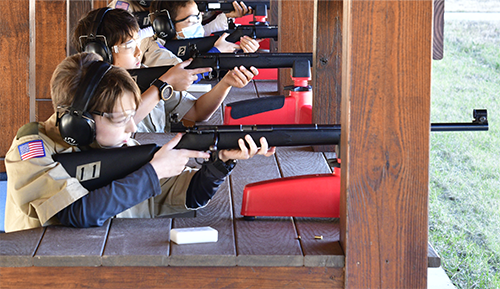
The Range and Target Activities (Shooting Sports) currently offered by Scouting America are highly complex, requiring knowledgeable supervision, qualified instruction, and strict adherence to standard operating procedures. The following Q&A reviews upcoming September 1st program adjustments that aim to simplify these programs while ensuring safety standards are met. Prior to reviewing these FAQs, please review the upcoming changes listed HERE in the Guide to Safe Scouting.
Q: Why are range and target activities (shooting sports) part of Scouting’s programs?
A: Range and target activities provide Scouting the opportunity to instruct critical safe firearm handling to all age groups while also providing an opportunity for a Scout to learn self-discipline, concentration, mental discipline, self-reliance, self-esteem, problem-solving and responsibility. Teaching safe firearm handling includes conversations such as “What happens when you see a gun? Never touch the gun, leave it where it is, and tell an adult right away.” Scouting is committed to teaching youth how to be safe around firearms, whether at home, in their neighborhoods, or around the community.
Q: Why is Scouting updating its range and target activities (shooting sports programs) effective 9/1/2024?
A: With a focus on safety and delivery of a quality program, these program adjustments aim to simplify and further standardize range and target activities, thus enhancing the overall experience for Scouts and Scouters alike.
Q: Why is the name of shooting sports programs changing to Range & Target Activities?
A: This new name reflects both where these activities take place (on established ranges) and what these activities are.
Q: Starting in September, besides a nationally authorized camp property’s range, Scouts can participate in firearms programs on a commercial range. How will Scouting America define a commercial firearm range?
A: A commercial firearm range is a supervised facility that offers a controlled environment for safe firearm practice. It will provide shooting lanes, targets, and may offer equipment rentals and training in safe firearm handling and marksmanship. Standard operating procedures are required for each firearm type used on-site. Scouting’s range and target activities must follow all of Scouting’s range and target activities policies or range standard operating procedures that are equivalently stringent, including no variation from Scouting’s limitations on firearms used. These ranges may be operated by a licensed business, a government entity or non-profit.
Q: And also, what is a nationally authorized camp property?
A: A national authorized camp property is defined by the National Camp Accreditation Program standards in SA-001. This definition is “A camp property includes any property over which a Scouting America council exercises long-term control that is made available to Scouting America units or individuals for use in Scouting America branded program activities.” For full information on what is a nationally authorized camp property, please review the entire NCAP standard SA-001.
Q: My Scouts BSA troop wants to conduct a weekend activity focused on the Rifle Shooting merit badge, can we still host this event after September 1, 2024?
A: Yes. Scouts BSA troops can offer these activities with the required supervision certifications indicated in Scouting America’s Shooting Sports Manual at either a nationally authorized camp property range(s) or at a commercial firearm range. Reminder- your unit must also have someone who has completed the online Range Activity SAFEty training. This trained adult leader must be present at the range. Note this training does not replace the requirements for certified NRA firearms instructors and range safety officers. This training will be available beginning 9/1/2024.
Q: There is a new Range Activity SAFEty training??
A: Yes. On September 1, 2024 this training will be available for unit leaders to take on My.Scouting (the same place you can take Youth Protection training online etc). Less than 40 minutes, this online training will help Scout leaders be prepared to successfully offer these programs at the unit level.
Q: Our Venturing crew is interested in participating in a pistol program. Is it still possible for us to do so?
A: Yes, Venturing crews participate in the NRA FIRST Steps Pistol Orientation at an accredited camp program (day camp, short-term camp, long-term camp) or a council organized one day event. Reminder, effective 9/1/2024, unit-level sponsored/planned Venturing and Sea Scouting pistol programs are prohibited. This program will also be available for older Scouts BSA youth.
Q: How does Scouting define “firearm”?
A: Firearms include pellet rifles, airsoft (any type), rifles, pistols, shotguns, and muzzle loading rifles and shotguns. While Scouting does not define a BB gun or “BB device” as a firearm, some states, counties, or jurisdictions may regulate BB guns as firearms, depending on their design and capabilities. Councils must review and follow any local regulations before conducting programs.
If planning an upcoming event or outing for your unit or council involving range & target activities, please remember to visit Scouting.org on September 1st to review the new National Range & Target Activities Manual and any revisions to the Guide to Safe Scouting.
Still have questions? We invite you to watch a recording of our Range and Target Activities Program Updates (a Venturing focus but all levels are reviewed) webinar that premiered on July 10. You may also attend an additional, Outdoor Program & Properties Team sponsored, webinar on August 15th. The links for both the recording and to register for the upcoming webinar may be found below.
Resources:
- Range & Target Activities Program Updates Discussion and Q&A Registration Link (August 15th Live Webinar)
https://scouting-org.zoom.us/meeting/register/tZEqce2orDotHN378fJ0lxBhit6kJGubesBC
- Range & Target Activities Program Updates Discussion and Q&A (July 10th Recording)
https://scouting-org.zoom.us/rec/share/c7osEzaX53o6tKTSRCcnbDVNmBbhK_19JcNVtbw091wDjMLf2G6ptuMz2-f5FYr8.BiklBNvgl4QfQPM9
- Guide to Safe Scouting (Online Edition)
https://www.scouting.org/health-and-safety/gss/toc/

Camping
Question: How cold is too cold for Cub Scout camping?
Answer: There is no national policy for Cub Scout winter camping temperatures, rather this is a local council-based discussion and decision. A Cub Scout in Florida may feel differently about camping in 30-degree weather than a Cub Scout from North Dakota. We encourage you to engage your local council enterprise risk management committee in this discussion. As you consider how cold is too cold for your local Cub Scouts, consider the following:
- Use the SAFE checklist with particular focus on A (Assessment):
- Assess “Will our Cub Scouts and their families be able to have a fun and safe camping experience?” Cub Scout camping is designed to create excitement and build enthusiasm for experiencing camping and other outdoor adventures. If it is too cold to meet this goal, adjust the activity.
- Determine whether the unit has sufficient training, resources, and experience to host a successful camping experience, and if not, modify the activity accordingly. For example, if it is too cold to camp overnight, perhaps the event can be revised to be a day-only activity balancing indoor and outdoor time.
- Use the SAFE checklist with particular focus E (Equipment and Environment):
- Does the location still meet the assessment considerations for this time of year? For example, are the restrooms, water source and other facilities still available?
- Will our Cub Scouts and their families be prepared for a safe camping experience with appropriate cold weather camping gear and equipment?
- Be prepared to adjust the activity plans if the conditions change.
Check out these resources:
- Utilize the SAFE checklist https://www.scouting.org/health-and-safety/safe/
- Winter Activity Safety Moment https://www.scouting.org/health-and-safety/safety-moments/winter-activity/
- Guide to Safe Scouting Winter Activities https://www.scouting.org/health-and-safety/gss/gss12/
- BSA Field Book (available on Scoutshop.org)
Range & Target Activities
Your unit wants to conduct a Range and Target Activity…How can you help them prepare?
To begin with we need to ensure the unit is allowed to do the activity. For that we check Scouting America’s Age-Appropriate Guidelines for Scouting Activities, pub. 680-685. Under the “Range & Target Activities” section, the various range activities are listed and check marks are placed in the columns for the program areas that are allowed to do them. Let’s look at the row for “.22 bolt action rifle”. The chart shows us this activity is only allowed for Scouts BSA, Older Scouts BSA, Sea Scouts and Venturers.
| Program | Lions | Tigers | Wolf/Bear Scouts | Webelos | Arrow of Light | Scouts BSA | Older Scouts BSA, Sea Scouts, Venturers |
| .22 Bolt Action Rifle | √ | √ |
(Age Appropriate Guidelines for Scouting Activities may be found here https://filestore.scouting.org/filestore/HealthSafety/pdf/680-685.pdf )
Similar to water sports and COPE & climbing which have Safe Swim Defense, Safety Afloat, and Climb on Safely all Scouts BSA troops, Venturing crews, and Sea Scout ships who provide unit-level sponsored/planned range and target activities must have at least one registered unit leader 21+ years of age take the Range Activities SAFEty online training available on my.scouting.org. This individual must be present at the range during the range and target activity(s). Participating in this training will help ensure a unit understands Scouting America’s range and target activities policies. The training is available not only to our leaders, but parents as well. We recommend everyone take the training to understand the safety protocols that are to be in place anytime we are at the range.
Once we determine the activity is permitted for our group, we would look at Scouting America’s SAFE checklist. (https://www.scouting.org/health-and-safety/safe/)
For the purposes of this article, we are going to focus on the ‘S’ in SAFE.
S stands for Supervision: Youth must be supervised by qualified adults who prioritize safety.
Supervision requirements for range and target activities can be found in Scouting America’s Range and Target Activities manual, #430-938, pages 9-13. These pages contain charts showing the various requirements necessary to conduct a SAFE range activity. (Manual may be found at https://www.scouting.org/wp-content/uploads/2025/12/430-93825b-Range-and-Target-Activities-Manual-FINAL.pdf)
Let’s review the chart for the .22 bolt action rifle for a Scout unit activity.
| Program | Participants | Safety Equipment | Minimum program supervision requirements | Qualified staff to open the range | Minimum number of staff to operate | RSO: participant and instructor: participant ratios | Additional information |
| Rifle (Unit Activity) | Scouts BSA, Venturing, Sea Scouting | Eye and hearing protection | NRA Rifle Instructor AND NRA Range Safety Officer |
National Camping School Range Activities Director NRA Rifle Instructor AND NRA Range Safety Officer |
2 people (RSO |
1:8 |
Program – Rifle (Unit activity)
Participants – Scouts BSA, Venturing, Sea Scouts
Safety Equipment – Eye and hearing protection
Minimum number of staff to operate – NRA Rifle Instructor AND NRA Range Safety Officer
Qualified staff to open the range – National Camping School Range Activities Director, NRA Rifle Instructor AND NRA Range Safety Officer
Minimum number of staff to operate – 2 people (RSO and at least one instructor)
RSO to Participant and Instructor to Participant ratios – 1:8
Additional Information – none
As can be seen, this chart provides a lot of information regarding what is required for a .22 bolt action rifle activity at the unit level.
We have used the .22 bolt action rifle activity as our example, however the charts on pages 9-13 include the supervision requirements for any activity related to range and target sports at all levels of the program.
A quick overview of supervision requirements:
Archery: USA Archery Level 1 (or higher) instructor
Tomahawk/Knife Throwing: As set in the standard operating procedures of the council
Atlatl: As set in the standard operating procedures of the council
Catapult: NRA Range Safety Officer
Chalk Ball: NRA Range Safety Officer
BB gun: Scouting America BB gun rangemaster OR NRA rifle instructor
Pellet gun: NRA rifle instructor
.22 bolt action rifle: NRA rifle instructor AND NRA range safety officer
Muzzle loading rifle: NRA CO-OP ML rifle instructor OR NRA ML instructor AND NRA range safety officer
Shotgun: NRA shotgun instructor AND NRA range safety officer
Muzzle loading shotgun: NRA CO-OP ML shotgun instructor OR NRA ML instructor AND NRA range safety officer
The Range and Target Activities manual exists to provide the needed information at the unit, district, council or national levels when planning a range or target activity. You should always refer to the manual for program guidance. For information about conducting Range and Target Activities at a camp, please refer to the NCAP standards in addition to the Range and Target Activities Manual.
Our goal for all Scouting Range and Target Activities is that they are safe and well supervised. The correct supervision will help ensure a safe, fun ‘on target’ event for our participants.
If you have questions about Range and Target programs, please reach out to us at shootingsports@scouting.org
Email blast!
Email blast!