

- All
- Aquatics
- Awards
- Biking
- Camp Staff
- Camping
- Conservation & Environment
- COPE/Climbing
- Cub Scouting
- Fishing
- National Jamboree
- National Outdoor Conference
- NCAP
- Outdoor Ethics/Leave No Trace
- Properties
- Range & Target Activities
- Safety
- Shooting Sports
- Sponsored Content
- Wheels & Board Sports

Conservation & Environment
Guiding Our Youth Into the Future 70 Years of the Outdoor Code
Main Conference: September 12-15, 2024
Pre-conference Courses: September 9-12, 2024
Location: Camp Tracy, Salt Lake City, UT
The National Outdoor Ethics and Conservation Conference is Scouting America’s largest gathering of volunteers and professionals in the areas of Outdoor Ethics and Conservation. During the two days of the conference you can experience:
- Elective sessions
- Keynote speakers
- Exhibits with great ideas to take back to your council
- Guided discussions with land management professionals
- Representatives on-hand from Leave No Trace and Tread Lightly!
- Contests
- Fellowship with other Scouters who are passionate about conservation
Registration is open now! For more information about this exciting opportunity, please visit the following website: https://www.scouting.org/outdoor-programs/oec-conference/
National Outdoor Conference
Want to be in the know about all things in outdoor programs? Registration for the 2025 National Outdoor Conference is now open. Taking place at Philmont Scout Ranch September 17-21, 2025, this is the preeminent conference for volunteers and professionals who support and manage outdoor programs and properties in Scouting America. The National Outdoor Conference features elective sessions, outstanding keynote speakers, vendor exhibits, and fellowship with Scouting’s top outdoor leaders. This year’s theme is Rooted in the Outdoors: Scouting’s Path Forward.
This year’s conference will focus on five key areas:
- Leading Youth Safety Forward
This track equips camp leaders with the knowledge and tools to make safety a top priority in all aspects of camp operations. Sessions will focus on best practices for safeguarding youth, enhancing staff training, and fostering a culture of physical, emotional, and mental safety at camp. - Change and Improve the Way We Work Together
Focusing on collaboration, this track offers strategies to improving collaboration across all levels of the organization, including between local councils and camp operations. - Make Our Programs Highly Relevant to Today’s Youth
This track will explore ways to refresh camp programs to better align with the interests, values, and expectations of today’s youth. Sessions will provide actionable ideas for incorporating modern technology, innovative activities, and youth-driven programming into the outdoor experience. - Broaden Our Appeal and Revitalize Our Brand
This track helps camp leaders enhance outreach efforts and boost the Scouting America camping and outdoor image within their communities, both internal and external. Participants will learn strategies for attracting a more diverse group of campers, engaging new audiences, and positioning their camp as a must-attend experience for youth. - Strengthen Our Financial Position
Designed for council and camp leadership looking to build financial sustainability, this track covers topics like increasing camp attendance, improving fundraising efforts, and maximizing resource efficiency. Leaders will leave with practical tools to secure their camp’s financial future.
Attendees can choose from several options for conference fees and housing – Roofed, deluxe tent platform tent or staying off site. Roofed housing and “deluxe tent” options are limited. Register early if you are interested in these options. Housing is multiple person occupancy. Costs range from $350 – $505 for the National Outdoor Conference depending on your housing choice. Registration fees include housing, meals, conference gift and supplies. Additional preconference options are available as well – preconference workshop costs vary. Individuals who register for the National Outdoor Conference by June 30th will receive a special custom National Outdoor Conference gift!
Click here to register now for the 2025 National Outdoor Conference! Questions? Email outdoorprograms@scouting.org.
NCAP
The Short-term Camp Administrator plays a crucial role in Scouting America’s National Camp Accreditation Program, ensuring that short-term camps meet the organization’s high standards for safety, program quality, and overall experience. This role involves overseeing the accreditation process for council-sponsored camps with one, two or three nights of camping involved. The administrator serves as a liaison between the camp and the national organization, working closely with camp leaders and staff to ensure compliance with established guidelines.
The Short-term Camp Administrator also serves as a resource for event committees, offering guidance on best practices, risk management, and program enhancement. This role plays a vital part in maintaining the high standards associated with Scouting America, ensuring that short-term camps contribute positively to the overall Scouting experience.
These courses will be facilitated via Zoom through the National Service Center and consist of several modules designed to prepare participants to manage short-term camps including planning, program development, staff recruitment and assessment. Upon registration, participants will receive a link to log into the online training room.
FIRST TIME CERTIFICATION COURSES ($75):
This training is for individuals who have not previously been certified as Short-term Camp Administrators or those whose training has been expired for more than 60 days. Training will last about 8.5 hours with interactions and discussions designed to help meet the needs of the participants while conveying strategies to serve in this role. Course materials will be made available electronically.
• February 20, 22, 27, 29, 2024 – This is a weeknight course, held from 7 pm to 9 pm Central Time. Must attend all four sessions to be certified.
• March 23rd, 2024 – 9 AM Central Time
• April 20th, 2024 – 9 AM Central Time
• May 18th, 2024 – 9 AM Central Time
RECERTIFICATION COURSES ($65):
Individuals who have previously completed Short-Term Camp Administrator training may be eligible for recertification. Your Short-Term Camp Administrator training cannot be expired for more than 60 days at the start of the class. Please refer to the certification card you were issued to determine when your training expires or email NCS@Scouting.org for confirmation. Short-term Camp Administrator recertification training is approximately 4 hours.
• February 20, 22, 2024 – This is a weeknight course, held from 7 pm to 9 pm Central Time. Must attend both sessions to be certified.
• March 23rd, 2024 – 9 AM Central Time
• April 20th, 2024 – 9 AM Central Time
• May 18th, 2024 – 9 AM Central Time
READY TO REGISTER? CLICK THE LINK BELOW TO BE REDIRECTED TO THE ONLINE REGISTRATION PORTAL.
CLICK HERE TO REGISTER NOW
For more information about Short-term Camp Administrator NCS, please email NCS@scouting.org.
NCAP
As summer approaches, preparations for another outstanding camp season are well underway across the country. Each year, Scouting America’s camps work diligently to ensure they are ready to provide safe, high-quality outdoor experiences for Scouts and leaders. One important step in that preparation process is the Declaration of Readiness.
What Is the Declaration of Readiness?
NCAP Standard AO-802 states that councils must complete a report showing that they are ready to open and show the Assessment Team Leader that they are meeting the standards. The Declaration of Readiness confirms that your camp has completed the key preparations required to operate for the upcoming season. It signals that your leadership team has reviewed essential operational areas such as:
- Health and safety procedures
- Staff preparation and training
- Program readiness
- Facilities and infrastructure
- Compliance with national and local standards
Submitting this declaration helps ensure that every camp is ready to deliver the safe, fun, and meaningful outdoor programs Scouts expect.
As you prepare to open camp, staff training is critical. Required tranings for staff are listed in In NCAP Standard SQ-402. One such training is listed as “Understanding and Preventing Peer on Peer Abuse”. You will find this training on My.scouting.org in the trainig area. You will need to search for the title “Peer on Peer” Training. Note this is the same training required in the standard.
For more information on the declaration of readiness and staff training visit the NCAP website at www.scouting.org/ncap.

Camping
You may be just beginning your summer season or maybe it has not even started. You may still be looking for that last piece of the puzzle for this summer, but it is not too early to begin thinking about summer 2026. We know that staffing a great summer camp is no small feat but retaining that team for the following year is even harder. As Camp Directors, we often spend months assembling a high-quality staff, only to start from scratch again the next year. But what if this summer, you could lay the foundation for a solid 2026 staff?
Just like college sports teams constantly recruit their next class of talent, so must we. Top-tier football programs don’t just recruit in the spring, they build relationships, maintain engagement, and secure early commitments. Camp staffing is no different. If you want your best area directors, kitchen leads, lifeguards, and program staff back next summer, you need to start now.
Let’s talk about some tips to help you in that goal.
1. Start the 2026 Recruiting Now—During the season.
Don’t wait until fall or winter to start thinking about next summer. While your staff is still on-site, enthusiastic, and immersed in the magic of camp, start having 1-on-1 conversations. Ask questions like:
- “Would you consider coming back next year?”
- “What role would you be interested in for 2026?”
- “What can we do to make it even better for you next time?”
Even informal conversations signal that you’re thinking long-term—and that you value them as more than just this season’s hire.
Pro Tip: Keep a simple spreadsheet or shared doc tracking who’s indicated interest in 2026. It will save you a lot of headaches come the fall/winter.
2. Secure Early Commitments—And Make It Official
Once someone says, “Yes, I’m in for next year,” capture that commitment. Whether it’s a Letter of Intent, a simple form, or a pre-application, make it feel official.
Consider perks for early commitment:
- Early selection of job roles or program areas.
- First pick on housing or program area.
- Exclusive swag or gear for early staff commitment
- A “Veteran Staff” leadership retreat or online leadership cohort in the off-season.
- An invite to a couple special events for camp staff alumni.
- Opportunities for staff scholarships based on tenure.
3. Keep Recruiting Like a College Coach
Remember: commitment doesn’t mean it’s locked in. In college athletics, verbal commitments still require nurturing. Coaches send notes, highlight reels, and stay in touch.
You should too.
- Send a fall postcard or holiday card from camp.
- Share monthly staff updates or “camp countdown” emails.
- Use social media or other platforms to stay connected as a staff.
- Highlight returning staff in social media: “Excited to have Emma back for her third year on the waterfront team!”
- Send a “highlight” reel of the staff slide show (you know you have one at the closing banquet) to your staff right before staff applications are due to remind them of the fun of camp.
This continual engagement builds loyalty—and keeps your camp top of mind as life moves on.
4. Off-Season Engagement: Build a Year-Round Staff Culture
Most of your staff are young adults who thrive on community and connection. Don’t let that die in August.
Ideas for year-round engagement:
- Virtual reunions or hangouts: Host Zoom trivia nights or share “Throwback Thursday” memories.
- Leadership development: Invite staff to virtual workshops, online merit badge training, or planning committees.
- In-person meetups: If geography allows, organize a regional weekend hike, service project, or alumni dinner.
- Feature their stories: Ask staff to write blog posts or take over your social media for a day.
And most importantly—ask for their input on how to make next summer better. This creates investment and shows you value their voice.
Bonus Opportunity: Encourage eligible staff (ages 16–29) to apply for the Summit Climbing and Aerial Support Team (CAST) at the 2026 National Jamboree. It’s a volunteer role at the Summit Bechtel Reserve supporting high-adventure programs like climbing, ziplines, and challenge courses. It’s a great way for camp staff to grow their skills, earn certifications, and represent your camp at a national level—while staying engaged in Scouting during the off-season. Learn more here – https://www.summitbsa.org/summitcast/
5. Keep Recruiting Outside Too
Just like sports programs are always scouting the next generation, so should you. Encourage your current staff to be your ambassadors. Offer incentives for referrals and stay in touch with CITs and volunteers from this year.
Be present at colleges, high schools, and community events this fall, not next spring. Great staffers don’t show up overnight—they grow through relationships.
One last thing
Camp doesn’t end in August. At least, not for you. If you want 2026 to be your strongest summer yet, treat your staff like the long-term team they are. Nurture them. Recruit them. Celebrate them. And remind them why they matter—every single month between now and Opening Day 2026.
Let’s build a camp culture that keeps the best coming back year after year.
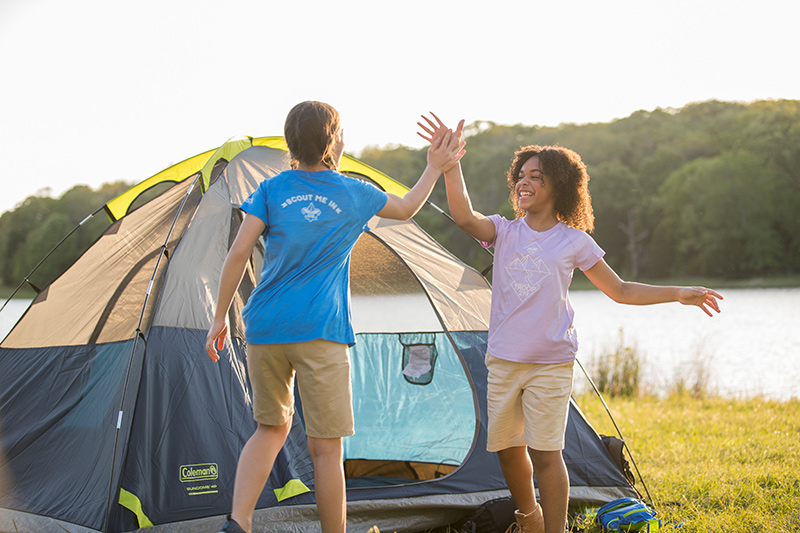
NCAP
Planning a short-term camp within Scouting America’s framework requires meticulous attention to safety considerations. Scouting America’s National Camp Accreditation Program (NCAP) provides a comprehensive set of guidelines to ensure the well-being of participants. While NCAP offers valuable standards that help create a safer environment, short-term camp administrators and event organizers must still be proactive in addressing safety concerns. This article briefly introduces ten critical aspects of safety planning when organizing a council-sponsored short-term camp under NCAP guidelines (scouting.org/ncap).
Site Assessment:
Before anything else, organizers must conduct a thorough risk assessment of the event location. Using the NCAP Site Appraisal Form is a great start, especially if your short-term camp is not held at a Scouting America NCAP accredited property. Identifying potential hazards such as uneven terrain, wildlife encounters, or proximity to bodies of water is crucial. Addressing these risks in advance allows for effective mitigation strategies to be put in place. Check out NCAP Standard SA-002 for details on assessing your site location.
Staff Training:
A well-trained staff is the backbone of a safe camp. Organizers must ensure that all staff members are proficient in first aid, emergency response, and Scouting America safety protocols. Regular training sessions and drills contribute to a quick and effective response in case of emergencies. Ensure you have thoroughly reviewed the training required for each position and the programs you will offer. The Staff Qualification “400” series standards are a critical place to start. Be sure to view the verification section for each standard so you know what training verifications specifically to look for.
Health and Medical Considerations:
Accurate health records of all participants, including dietary restrictions and medical conditions, should be collected during registration. Having qualified medical personnel on-site is required, and an emergency medical plan must be in place, including having a copy of the current medical policies for your council. Touch base with your local council health supervisor to be sure you have the most current copy. Check out the HS “500” series standards, especially HS-503, HS-505 and more. For detailed requirements for your camp health officer for your location, review SQ-405.
Transportation Safety:
If the camp involves transportation, adherence to Scouting America transportation policies is paramount. This includes driver qualifications, vehicle maintenance, and seatbelt usage. Additionally, organizers should have a contingency plan for unexpected travel-related issues. In 2024 information was included in NCAP standard PS-216 to also include additional youth protection considerations as well.
Campsite Security:
Ensuring the security of the campsite is critical for the well-being of participants. Adequate lighting, secure sleeping arrangements, and surveillance measures should be in place. Event organizers should collaborate with local law enforcement to address any security concerns in the surrounding area. When is the last time your camper security plan was updated for your specific short-term camp location? This would be a great project for your local council enterprise risk management committee. Visit NCAP standard AO-804 for details on camper security.
Aquatics Safety:
If the camp involves water activities, event organizers must strictly adhere to Scouting America aquatics guidelines. Ensuring proper supervision, life jacket usage, and emergency response plans for water-related incidents are essential components of a safe short-term camp. The 2024 NCAP standards and the Guide to Safe Scouting “Safe Swim Defense and “Safety Afloat” policies will help you plan for aquatics activities at your short-term camp.
Fire Safety:
Camps often involve campfires, cooking, and other fire-related activities. Compliance with Scouting America fire safety guidelines, including supervision during cooking, and appropriate fire extinguishing equipment, is crucial to prevent accidents. Review NCAP standards FA-703,705,706 as you plan your short-term camp.
Weather Preparedness:
Unpredictable weather conditions pose a significant threat to camp safety. Monitoring weather forecasts, having an emergency shelter plan, and educating staff and participants about weather-related risks are essential components of safety planning. NCAP standard AO-805 helps each of us prepare for all types of emergencies, including weather. These emergencies may vary based on the time of year you are hosting your short-term camp.
Communication Protocols:
Establishing effective communication channels within the camp is vital. Whether through two-way radios, designated meeting points, or other means, clear communication ensures a rapid response to emergencies and facilitates coordination among staff members. NCAP standard AO-807 has details on how you can be prepared to communicate effectively.
Emergency Evacuation Plan:
Every camp must have a well-defined emergency evacuation plan. This plan should account for various scenarios, including natural disasters or medical emergencies. Regular drills should be conducted to familiarize staff and participants with evacuation procedures. A full list of emergencies you must have a plan for are included in NCAP standard AO-805. This list should also be reviewed by your local council enterprise risk management committee to determine if any other plans should be developed for your specific event and location.
Organizing a short-term camp under the standards set forth in the National Camp Accreditation Program requires a comprehensive approach to safety planning. Each short-term camp must have a currently certified Short-term camp administrator as well. By addressing risk factors, prioritizing staff training, and implementing robust safety protocols, event organizers can create an environment where participants can enjoy enriching experiences while minimizing potential hazards. Ultimately, the goal is to uphold the aims of Scouting America while emphasizing the safety of all involved in the camping experience. It’s a new year so be sure you use the newest standards – 2024. These standards and other critical resources are available online at www.scouting.org/ncap.
Additional resources:
National Camp Accreditation Program – 2024 Standards
Guide to Safe Scouting
Standards at a Glance (Short-term Camp)
Scouting.org Short-term Camp webpage

Properties
Scouting America properties rely on chain saws to help clear trails, remove deadfalls, clear timber, and stockpile wood for campfires and heating buildings. To allow for this use, specific guidelines for safety have been adapted for use at all Scouting America activities.
National Camp Accreditation Program Standard FA-712 requires that any person who operates a chain saw be approved by the council designee. In addition, chain saw operators must be at least 21 years old and meet one of the following requirements: be a professional forester with current credentials and liability insurance; be a certified arborist with credentials; have written documentation of training in chain saw techniques from either (1) a state or federally recognized chain saw training course approved by the council or (2) Scouting America’s Chain Saw Basic Training Course (Training Code S59). NOTE: If you choose Chain Saw Basic, the facilitators for this course must be experienced chainsaw operators AND be approved by your local council Scout Executive or designee. Reminder, effective September 1, 2021, Scouting America’s Chain Saw Basic Training Course is good for five years. Those completing the course prior to September 1, 2021, will be considered trained until September 1, 2026.
LET’S LOOK AT ACTUAL SAFETY STEPS AND OPERATION:
Before Starting a Chain Saw
- Check controls, chain tension, and all bolts and handles to ensure that they are functioning properly and that all are adjusted according to the manufacturer’s instructions.
- Always make sure that the chain is sharp, and the lubrication reservoir is full.
- Start the saw on the ground or on another firm support. Drop-starting, or the act of pushing the saw away from the body with one hand while simultaneously pulling on the starter cord handle with another, is never allowed.
- Start the saw at least 10 feet from the fueling area, with the chain’s brake engaged.
Fueling a Chain Saw
- Use approved containers for transporting fuel to the saw.
- Dispense fuel at least 10 feet away from any sources of ignition when performing construction activities. No smoking during fueling.
- Use a funnel or a flexible hose when pouring fuel into the saw.
- Before refueling, turn off the chain saw and let the motor cool down. Never attempt to fuel a running or HOT saw.
Operating a Chain Saw Safely
- Clear away dirt, debris, small tree limbs, and rocks from the saw’s chain path. Look for nails, spikes, or other metal in the tree before cutting.
- Always have a spotter on hand—someone who can watch for safety hazards while you cut.
- Shut off the saw or engage its chain brake when carrying the saw on rough or uneven terrain.
- Keep your hands on the saw’s handles and maintain secure footing while operating the saw.
- Proper personal protective equipment must be worn when operating the saw, which includes hand, foot, leg, eye, face, hearing, and head protection.
- Do not wear loose-fitting clothing.
- Be careful that the trunk or tree limbs will not bind against the saw.
- Watch for branches under tension. They may spring out when cut.
- Gasoline-powered chain saws must be equipped with a protective device that minimizes chain saw kickback.
- Be cautious of saw kickback. To avoid kickback, do not saw with the tip. If equipped with a tip guard, keep it in place.
- Have an appropriate first-aid kit within easy access.
RESOURCES
- Guide to Safe Scouting
- Person Protective Equipment: https://filestore.scouting.org/filestore/healthsafety/pdf/680-028.pdf
- Chain Saws Safety Moment: https://www.scouting.org/health-and-safety/safety-moments/chain-saws/
- Scouting America’s Scouting Safely Checklist: https://www.scouting.org/health-and-safety/safe/

Camping
Join us at Philmont Scout Ranch for the inaugural Camp Collaborative at Philmont, a week dedicated to strengthening camps and properties across Scouting through practical learning, collaboration, and hands-on training.
Participants will arrive Sunday, September 27 and depart Friday, October 2, selecting from a variety of courses designed to support the management, stewardship, and operation of Scouting’s camping operations. Many of the sessions will emphasize hands-on learning and practical skills that participants can take back and apply directly at their home camps.
This gathering is ideal for:
- Camp Rangers and Commissioned Scouters seeking annual continuing education
- Council staff and volunteers responsible for camp properties and operations
- Anyone interested in improving and strengthening their local camping operation
Courses will include topics such as:
- Capital improvements and property planning
- Utilizing your camp for year-round and non-Scout business
- Ranger continuing education with hands-on training in a variety of disciplines
- Risk management and safety outdoors
- Conservation and land stewardship
- Marketing your camp
- Wilderness First Aid Train-the-Trainer
Registration will start on April 6. Additional details and course selections will be announced soon.
Come learn new skills, share ideas, and collaborate with others who are committed to strengthening the camps that power Scouting. Time will also be set aside during the week to enjoy Philmont and experience the fall beauty. Questions? Email philmont.trainingcenter@scouting.org.
Outdoor Ethics/Leave No Trace
September 12-14, 2024
🌲 Unleash your adventurous spirit at the 2024 Scouting America National Outdoor Ethics & Conservation Conference! 🏕️ Mark your calendars for September 12th-14th at stunning Camp Tracy, just east of Salt Lake City, UT. But wait, there’s more! Dive into a week of pre-conference offerings from September 9th-12th, expanding your knowledge and expertise.
🔍 Explore the theme that will set us on a course for the future as we lean on our Outdoor Ethics and Conservation legacy: “Guiding Our Youth Into The Future ~ 70 Years Of The Outdoor Code.” Get ready for an unforgettable experience as we celebrate seven decades of the Outdoor Code and chart a course for the future.
📅 It’s never too early to save the dates – so lock them in NOW! Keep an eye on our Facebook page and website for exciting updates about the conference. This isn’t just a conference; it’s a journey into the heart of Scouting America Outdoor Ethics & Conservation. See you there! 🌿 #AdventureAwaits #OutdoorEthics2024
Aquatics
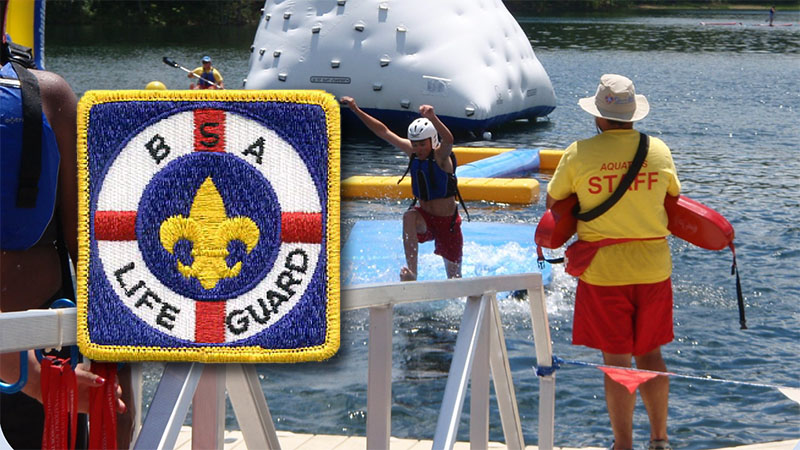
After careful consideration and evaluation, Scouting America will transition away from Scouting America Lifeguard certification program effective December 31, 2024. Over the last decade, training lifeguards across the entire aquatics industry has continued to evolve. While our partnership with the American Red Cross remains strong, the Red Cross materials will no longer be available to be used jointly for instruction of Scouting America’s Lifeguard program. In addition, Scouting America does not possess the scientific and other resources required to develop and update a Scouting America specific lifeguard training curriculum that meets the industry standards mandated through state and federal regulations.
Moving forward, we believe that partnering with well-established certifying agencies such as the American Red Cross, YMCA, StarGuard Elite, and Ellis & Associates will still allow us to offer local councils access to top-tier lifeguard training. We are confident that this approach will provide Scouting with quality training while also meeting industry standards. Our primary focus is on ensuring that every council has the support it needs to certify lifeguards for both summer camp and year-round aquatic activities.
We will provide further updates in the coming weeks to local councils and currently certified Scouting America Lifeguard Instructors/Aquatics Instructors to ensure everyone is well-informed about the next steps.
Finally, individuals currently certified as Scouting America Lifeguards may continue to use their certification until it reaches its expiration date. Individuals who are certified as Scouting America Lifeguard Instructors will receive additional information on how to potentially transition to an American Red Cross Lifeguard Instructor.
We appreciate your understanding and collaboration as we make this transition, and we are committed to working closely with each council to maintain the high levels of safety and preparedness that our Scouts and leaders expect and supporting local council lifeguard certification programs for summer camp and year-round aquatics programs. Additional information will be posted on this website as plans progress during this transition period.

Awards
The Adventure Plan (TAP), https://tap.scouting.org/, is a guide for Scouting unit leaders to focus Outdoor Adventure as a key element of youth development. With the challenges of virus concerns, masks, social separation, cancelled meetings and events, unit leaders are looking for ways to continue with progression and expansion of personal experiences. One way to expand unit programs is with outings to many National Historic Trail sites. Embedded in the TAP are links that make finding an approved trail very simple.
There are 210 historic trails in the United States, Europe, and Japan that are listed including links for individual researching. Finding a trail has been made easy with several new additions including a Google pushpin map!
All the trails meet Scouting America’s brand, have genuine historic significance and/or wilderness beauty that will add to the education of members of Scouting and provide the opportunity for physical fitness and outdoor living.
There are several ways to find a trail that is nearby and/or meets the needs of your Scouting unit. After logging into the TAP (see link above) go to the bottom of the page where you will find an internal link for “Historic Trails” and click select!
You can also select “Resources” to obtain the Historic Trails Award Application and then select the link in “Award Requirement”, item #1, https://tap.scouting.org/scouting-america-historic-trails-index/. Either method provides a listing of available historic trails. At this point, select an individual state/country to begin researching trails. Also, near the top of the page, is a button to “click HERE to Access Historic Trail map views.” By resizing the Google pushpin map, the same listing of trails is available.
Note: the index links send you to a local council web site where contact information is available. The use by Scouting units increases each year. Use this great resource to enjoy the outdoors.
Happy Hiking!

NCAP / Properties
Scouting America is excited to announce the release of its newly updated Pre-Camp and Post-Camp Inspection Form, a comprehensive tool designed to enhance safety, sustainability, and organization during camping experiences. This updated form is now available for download and serves as an essential resource for Scout leaders to ensure their campsites are both ready for use and properly restored after each visit.
A Streamlined Process for Camp Management
The updated form simplifies the often complex process of campsite preparation and cleanup by offering a clear, step-by-step checklist. Covering key areas such as safety hazards, equipment inspections, waste disposal, and environmental restoration, the form ensures that no detail is overlooked. Its user-friendly format is designed for both experienced camp management professionals and volunteers and those new to the process, making it a versatile tool for all units.
Promoting Long-Term Planning
Beyond immediate use, the form is a powerful asset for long-term planning in local councils. By consistently documenting pre- and post-camp conditions, leaders can identify trends, recurring issues, and areas requiring maintenance or improvement. This data empowers councils to allocate resources more effectively, schedule necessary repairs, and proactively address environmental or safety concerns.
Ensuring Safety and Compliance
Safety is a cornerstone of Scouting, and the updated inspection form reinforces this value. Leaders can systematically assess potential risks, such as unstable ground or hazardous debris, ensuring a safe experience for all participants. Additionally, using the form helps units meet local regulations and Scouting America guidelines, demonstrating a commitment to responsible outdoor practices.
Per FA-701, the Pre-Camp and Post-Camp Inspection process should be completed before the Declaration of Readiness. For camp properties that serve solely as year-round camps, the review may be scheduled at the convenience of the council, so long as it is conducted annually .
Strengthening Local Councils
For councils, adopting the updated form ensures consistency and standardization across camp properties. The collective data gathered from multiple campsites can inform strategic planning, infrastructure improvements, and program development. By integrating the form into their operations, councils can better support their properties and enhance the overall quality of their programs.
A Tool for the Future
Scouting America’s updated Pre-Camp and Post-Camp Inspection Form is more than just a checklist—it’s a step toward a safer, more sustainable, and better-organized future. By embracing this tool, camp leaders and councils can elevate their camping programs and properties while preserving the natural environments that inspire generations of Scouts.
Get Started Today
Your council is encouraged to download the updated form and incorporate it into their property’s opening and closing procedures. By adopting this resource, camp management can contribute to a legacy of excellence, ensuring that every camping experience leaves a lasting positive impact on both participants and the environment.
Email blast!
Email blast!