

- All
- Aquatics
- Awards
- Biking
- Camp Staff
- Camping
- Conservation & Environment
- COPE/Climbing
- Cub Scouting
- Fishing
- National Jamboree
- National Outdoor Conference
- NCAP
- Outdoor Ethics/Leave No Trace
- Properties
- Range & Target Activities
- Safety
- Shooting Sports
- Sponsored Content
- Wheels & Board Sports

Conservation & Environment
In celebration of the 70th anniversary of the Conservation Good Turn for America, Scouting America is introducing Scouting for Clean Waterways, a nationwide initiative aimed at addressing the critical issue of waterway and marine debris. This program, in partnership with Clean Hub and Goal Clean Seas Florida Keys, offers Scouts of all ages the opportunity to make a meaningful impact on the health of our waterway ecosystems. Clean Hub has agreed to match the poundage of plastics that Scouting America collects and removes from these areas and coordinate the collection in other countries. This partnership doubles the impact that we collect.
The concept of Scouting for Clean Waterways was launched as part of an existing Sea Base program in 2022. The program is coordinated by the National’s Outdoor Program & Properties Team, Outdoor Ethics & Conservation Subcommittee and the International Committee.
Why it matters
Each year, millions of tons of plastic and other man-made materials enter our water bodies, endangering marine life, disrupting habitats, and imposing economic costs. This aquatic trash often comes from dry lands miles away from our water resources. Aquatic trash poses a significant threat to the health of our oceans, lakes, rivers, and associated ecosystems. By participating in Scouting For Clean Waterways, Scouts can help address this critical issue and make a positive difference in their communities and beyond.
Scouting For Clean Waterways also supports several Sustainable Development Goals (SDGs) outlined by the United Nations, including:
- Clean Water and Sanitation
- Life Below Water
- Life on Land
- Responsible Consumption and Production
- Partnerships for the Goals
How can my unit get involved?
- Talk with your council’s leadership to see if they are planning on coordinating any large council or district events. If not, start organizing a clean up for everyone in your unit to participate.
- Visit the Scouting for Clean Waterways website: Here you can find all the program-related documents that will help you plan your unit’s Scouting for Clean Waterways service project including a Quick Guide to the program specifics, In addition to information about Scouting for Clean Waterways, at the bottom of the webpage you can also register to receive e-mail updates. Be the first to know about important program milestones and deadlines. The link to the SCW website is: https://www.scouting.org/outdoor-programs/scouting-clean-waterways/.
- View and follow the Scouting for Clean Waterways Facebook page: This is another great resource when planning your SCW service project. Learn about best practices and successful projects completed by other units.
- Once you have completed your clean up, go to Scoutbook and enter it in the service hours area, and record it as a Scouting for Clean Waterways project. Your information will be recorded as part of the nationwide initiative. When you post pictures on your unit’s social media feeds, please include #cleanwaterscouts.
Units, Districts and Councils can conduct these clean ups any time through out the year. A lot of councils are aiming for April, May and June which coincides with Earth Day and Earth Month, but any time works. Unfortunately there is a lot of trash, so any and everything helps.
For specific questions please check the website, the Facebook page, or email cleanwaterscouts@scouting.org
Conservation & Environment
Waterways are the lifeblood of our ecosystems, supporting countless species and providing essential resources for human life. Unfortunately, pollution — especially marine debris like plastic waste — threatens these vital environments. To combat this growing issue, Scouting America has launched Scouting for Clean Waterways (SCW), a nationwide initiative empowering Scouts to take action in cleaning up rivers, lakes, streams, and oceans while promoting environmental stewardship and community service.
What Is Scouting for Clean Waterways?
Scouting for Clean Waterways officially begins on Earth Day (April 22, 2025) but your unit may start sooner! This program invites Scouts of all ages to participate in projects that reduce plastic waste, clean up waterways, and educate communities about conservation. SCW is designed to be simple yet impactful, allowing Scouts to make a difference regardless of their proximity to water bodies. Even trash collected from dry land can prevent pollution downstream.
How Scouts Can Participate
Participation in Scouting for Clean Waterways is straightforward and accessible:
- Reduce Plastic Use: Scouts are encouraged to cut down on disposable plastics in their daily lives.
- Cleanup Projects: On Earth Day—or any time throughout the year—Scouts can organize or join cleanup efforts near waterways or in local parks and recreation areas.
- Data Reporting: Scouts can log their cleanup results using Scoutbook+ to contribute to national conservation data.
- Share the Impact: By posting project details on social media with the hashtag #CleanWaterScouts, Scouts inspire others to join the cause.
Why It Matters
Marine debris poses a significant threat to ecosystems, wildlife, and even human health. Millions of tons of plastic enter waterways annually, disrupting habitats and endangering species. Scouting for Clean Waterways addresses this crisis by fostering community action and raising awareness.
Scott Anderson, chair of Scouting America’s outdoor ethics and conservation subcommittee, emphasizes the ripple effect of these efforts: “Just like a small stone creates expanding circles when dropped into water, Scouts doing individual actions to clean waterways will have far-reaching positive impacts”
Success Stories
Early projects have demonstrated the program’s potential:
- Units from across the country have already started to do projects. Florida, Virginia, Texas, Ohio, California and Texas have all had some of their waterways cleaned because of amazing Scouts, Scouters and their families.
Double the Impact with CleanHub Partnership
Through a partnership with CleanHub—a nonprofit dedicated to cleaning oceans—every pound of plastic debris collected by Scouts will be matched by overseas cleanups. This collaboration amplifies the program’s environmental impact globally.
Report your programs
Reporting the events that you have through Scoutbook+ is vital to show your success. When your unit creates the event in Scoutbook+ it will ask if this is an initiative, say yes and select Scouting for Clean Waterways. Report the poundage of trash and the poundage of plastics collected after the event. The hours spent and the number of participants is also important.
Remember – together we can make a difference in our waterways.
National Outdoor Conference
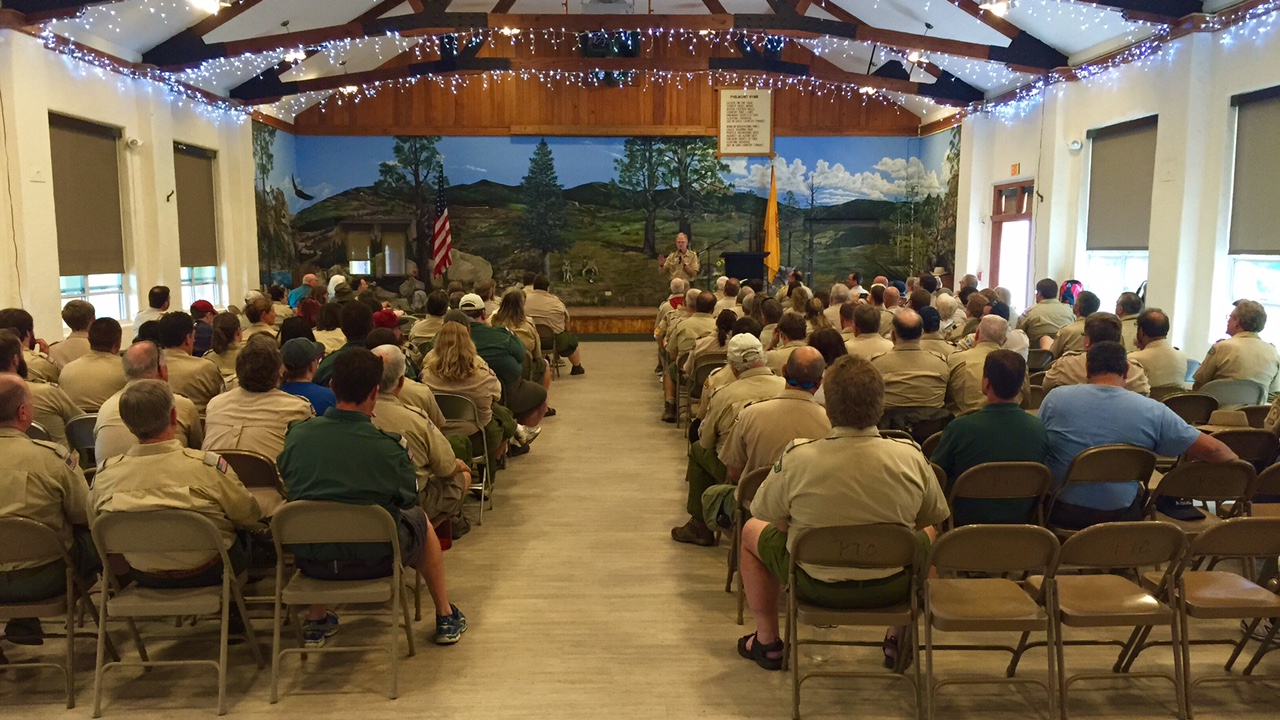
For Scouting professionals dedicated to delivering exceptional outdoor programs, there’s no better opportunity to grow than the 2025 National Outdoor Conference (NOC). More than just an event, NOC is a hub of inspiration, education, and connection—all set against the majestic backdrop of Philmont Scout Ranch. Here’s why every professional should make attending a priority:
Elevate Your Professional Development
In today’s fast-paced environment, learning is essential—and the National Outdoor Conference is built for it. With a wide array of classes, panels, and hands-on training opportunities, NOC empowers you to sharpen your skills in areas like:
- Risk management and safety
- Program design and innovation
- Leadership and strategic planning
- Sustainability in outdoor programs
Best of all, many of the sessions count toward your required Continuing Education Program (CEP) hours as outlined by Scouting America’s policy on professional development. Whether you’re attending courses on high-adventure programming or enhancing youth leadership skills, you can earn Professional Development Hours (PDHs) while gaining knowledge you can immediately apply back home.
Expand Your Network
The NOC is one of the largest gatherings of outdoor program experts, Scouting professionals, and volunteers from across the country. Over the course of the conference, you’ll have countless opportunities to:
- Swap ideas with your peers
- Share success stories and challenges
- Build a network of colleagues who can become trusted resources long after the conference ends
There’s nothing quite like learning from others who face the same opportunities and obstacles you do. These connections help you stay inspired and informed all year long.
Strengthen Relationships with Volunteers
One of the unique aspects of NOC is that it brings together both professionals and volunteers who share a passion for delivering high-quality outdoor programs. Attending with your local volunteers can:
- Deepen mutual understanding of goals and challenges
- Enhance teamwork back in your council
- Build trust and collaboration through shared experiences
A shared learning environment strengthens the partnership between staff and volunteers, which is essential for Scouting’s success.
Check Off Continuing Education Goals
Scouting America’s Continuing Education Program requires commissioned professionals to complete 20 PDH units each year. NOC is a fantastic way to make meaningful progress toward this goal in just a few days, all while focusing on topics directly tied to outdoor program excellence. Sessions align with critical areas like:
- Leadership and strategic thinking
- Problem-solving and adaptability
- Technology use and innovation
- Diversity and inclusion in outdoor programming
Plus, the knowledge you gain isn’t just about checking a box — it’s about enhancing your ability to serve youth through exceptional outdoor experiences.
Have Fun!
Let’s not forget: Scouting is FUN, and so is NOC! Beyond the sessions and seminars, you can expect:
- Engaging evening events
- Outdoor activities and demonstrations
- Informal meetups and social gatherings
NOC is as much about recharging your passion for the movement as it is about professional growth. You’ll return home energized, inspired, and ready to take your programs to the next level.
Make 2025 Your Year to Attend
The 2025 National Outdoor Conference is more than a conference — it’s an investment in your professional journey, your council’s success, and the future of Scouting’s outdoor adventures.
To learn more and register, visit: https://www.scouting.org/outdoor-programs/noc/.
NCAP
Scouting America summer camps serve as the ultimate playground for our Scout adventurers, fostering growth and unforgettable experiences. But behind every thrilling moment lies a team of dedicated staff. So, how do we ensure we assemble the best staff while ticking all the legal boxes? Let’s delve into the hiring process, including some of the vital legal considerations and savvy practices, and discover a fantastic platform for job postings: Scout Life Jobs.
The Role of Legal Considerations in Hiring Staff
Before diving into the hiring process, let’s address the legal side:
- Equal Opportunity Employment: Ensuring fair treatment for all applicants, regardless of race, gender, religion, or other protected characteristics, is vital. Review your hiring practices to ensure they are in compliance.
- Background Checks: To guarantee the safety of our Scouts, conducting thorough background checks for all potential staff members is a must. NCAP Standard SQ-401 requires every staff member of long-term camp and many day camp staff be registered in the specific camp staff code for their age. Doing so ensures an annual criminal background check and screening takes place.
- Compliance with Documentation: Completing all necessary employment paperwork diligently, including contracts, agreements, and required certifications, is crucial to maintain legal compliance. Review your documentation practices with your local HR attorney and double check your processes for each step. Certain states require additional documentation so be sure you are up to speed on state requirements. Looking for a resource? Check out the ACA’s State Laws and Regulations website.
- Know who you are hiring: There are specific requirements for youth to work along with job limitations based on age. Be sure to visit the department of labor website https://www.dol.gov/agencies/whd/youthrules/young-workers for more information.
Best Practices for Hiring Staff
- Start NOW and expand your search area: Initiating the hiring process in advance and leveraging various channels such as local Scout troops, universities, and online platforms widens the pool of potential candidates. Consider using online job postings. Make sure to include “summer job” page on your local council website. (Hint: use “Summer Job” vs the camp name and job title gets you better search results.)
- Thorough Screening and Interviews: Conducting comprehensive interviews to assess a candidate’s skills, experiences, and alignment with Scouting principles is essential.
- Embrace Diversity and Clarity: Striving for diversity in the staff team and ensuring clear communication about camp expectations and responsibilities fosters an inclusive and committed environment.
Leveraging Scout Life Jobs for Job Postings
For an excellent platform to post job opportunities within the Scouting community, consider using Scout Life Jobs:
- Targeted Audience Reach: This platform attracts candidates who are passionate about Scouting and the outdoors, ensuring a higher likelihood of finding individuals who resonate with your camp’s mission.
- User-friendly Interface: Both job seekers and recruiters benefit from its user-friendly layout, making the process seamless and accessible.
- Aligning with Scout Values: By using Scout Life Jobs, we reach individuals who understand and value the core principles of Scouting, fostering a team dedicated to upholding these values. Visit the Scout Life Jobs website and start posting your open positions today!
In Conclusion
In the realm of Scouting America summer camps, a stellar staff team is the bedrock of memorable experiences. By aligning our hiring practices with legal obligations, adopting smart strategies, and utilizing platforms like Scout Life Jobs, we can build a team passionate about creating enriching and safe experiences for our Scouts.

Shooting Sports
From BB gun shooting, archery, and sling shots at Cub Scouts to pistols and long rifles in Venturing, shooting sports can be an exciting experience for all Scouts in Scouting America. So how do you implement these programs, who can do what and what resources are available?
First one of the best resources for you to use when planning a shooting sports program is Scouting America’s National Shooting Sports manual posted on Scouting America shooting sports website. Newly revised in 2022, the National Shooting Sports Manual is the go-to location and one stop for all things Scouting America shooting sports related. The manual includes information about:
- Shooting sports programs by rank
- Required training and supervision
- Unit program
- District and council programs
- Specialty programs
The National Shooting Sports Manual contains information about all approved shooting sports of Scouting America. As stated in the Guide to Safe Scouting, if it is not listed in the shooting sports manual or our program literature, it is not an approved shooting activity. When there is a question, use this new resource as your guide.
In addition, Scouting America age appropriate guidelines can be found in the Guide to Safe Scouting. On this chart you will be able to determine the kinds of programs that are appropriate for your Scouts to enjoy. Scouting America shooting sports program offer a diverse group of options based on age and ability levels. Remember: Cub Scouts can only participate in shooting programs as a part of a district or council event. Shooting sports are not a unit activity in Cub Scouting.
Shooting sports can add adventure and fun to your unit program (for Scouts BSA, Venturing and Sea Scouting) or your district or council events and activities. Following the guidance in the updated Scouting America’s National Shooting Sports manual will ensure you are “on target” with your programs and that they will meet the standards of Scouting America. If you have questions about shooting sports, refer to the shooting sports manual or reach out to shooting.sports@scouting.org.

NCAP
Distracted driving poses a serious risk to everyone on the road, especially when driving to camp with Scouts. As we approach April, which is Distracted Driving Awareness Month, it’s crucial to remind Scouters and parents transporting Scouts about the dangers of not fully focusing on the road. According to the National Highway Traffic Safety Administration (NHTSA), distracted driving claimed 3,522 lives in 2021 alone, and the numbers have been increasing steadily.
There are three main types of distractions while driving: visual, manual, and cognitive. Visual distractions take your eyes off the road, manual distractions take your hands off the wheel, and cognitive distractions take your mind off driving. Texting while driving is one of the most dangerous distractions, as it involves all three types. Other common distractions include talking on the phone, eating, grooming, using navigation systems, and adjusting music or climate controls.
To ensure the safety of everyone on the road, especially when transporting Scouts, here are five tips to remember:
- Put your phone away: Avoid using your phone for calls, texts, or browsing while driving. If you must use your phone, pull over to a safe location. Encourage everyone to take the “It Can Wait” pledge.
- Plan ahead: Familiarize yourself with the route and directions before hitting the road. Use a GPS device or app that provides voice-guided directions.
- Secure loose items: Make sure all gear and equipment in the vehicle are properly secured to prevent them from becoming projectiles in the event of a sudden stop or crash.
- Avoid eating while driving: Eating can be distracting and take your hands off the wheel. If you need to eat, pull over to a safe location.
- Stay focused: Keep your mind on driving and avoid engaging in other activities that can take your attention away from the road.
April is the perfect month to reinforce these important principles to the Scouters and parents driving Scouts to camp this summer. You might consider including this topic in your Camp Leader Guide and mentioning this topic during your pre-camp leadership meeting (see NCAP standard PD-108). There are several resources you can utilize:
- BSA’s Distracted Driving Safety Moment
- Video – National Safety Council – Distracted Driving Calls Kill
- US Department of Transportation NHTSA Distracted Driving Resources
Outdoor Ethics/Leave No Trace
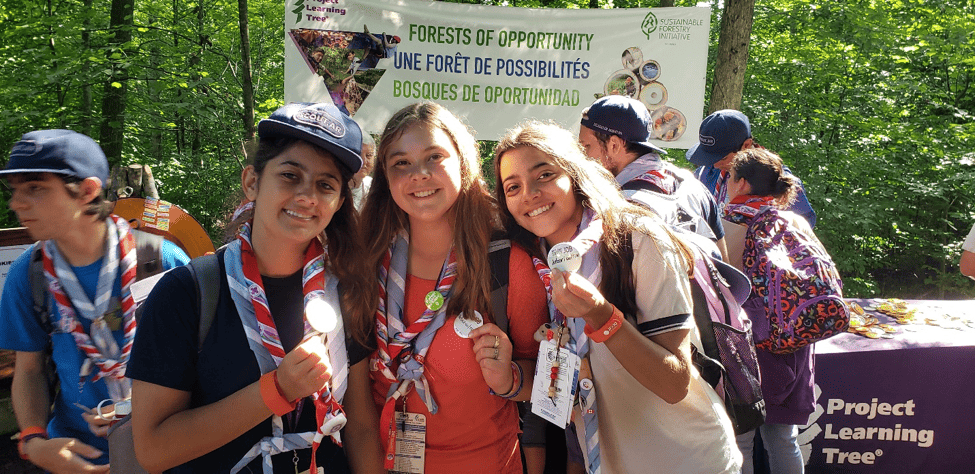
CONSERVATION THROUGH FOREST MANAGEMENT CERTIFICATION. Sustainability is a consideration for today’s council properties. Scouting principles promote responsible use of natural and human resources such as forests, water, land, outdoor ethics, and good stewardship of BSA lands for today and tomorrow. Continuous improvement and measured results are part of a sustainability program. Certification to Sustainable Forestry Initiative® (SFI) Forest Management Standard provides a proof point for responsible – and measurable – management of forest resources.
SFI® is an independent, non-profit organization with a mission to advance sustainability through forest-focused collaborations. Currently over 100,000 acres of both Philmont and the Summit Bechtel Reserve are SFI certified. This means that these properties have conservation plans that are in compliance with the SFI Forest Management Standard that promotes healthy forests.
The SFI Forest Partners Program, which is a partnership between SFI, Meredith, National Geographic, Pearson, Macmillan, Hearst Enterprises and Scouting America have provided assistance for initial certification, including funding for assessments of potential participants’ plans, consulting fees, and initial audit readiness.
To learn more about the Sustainable Forestry Initiative, visit www.sfiprogram.org. To learn more about how SFI is collaborating with BSA, see www.sfiprogram.org/scouts/.
Camp Staff
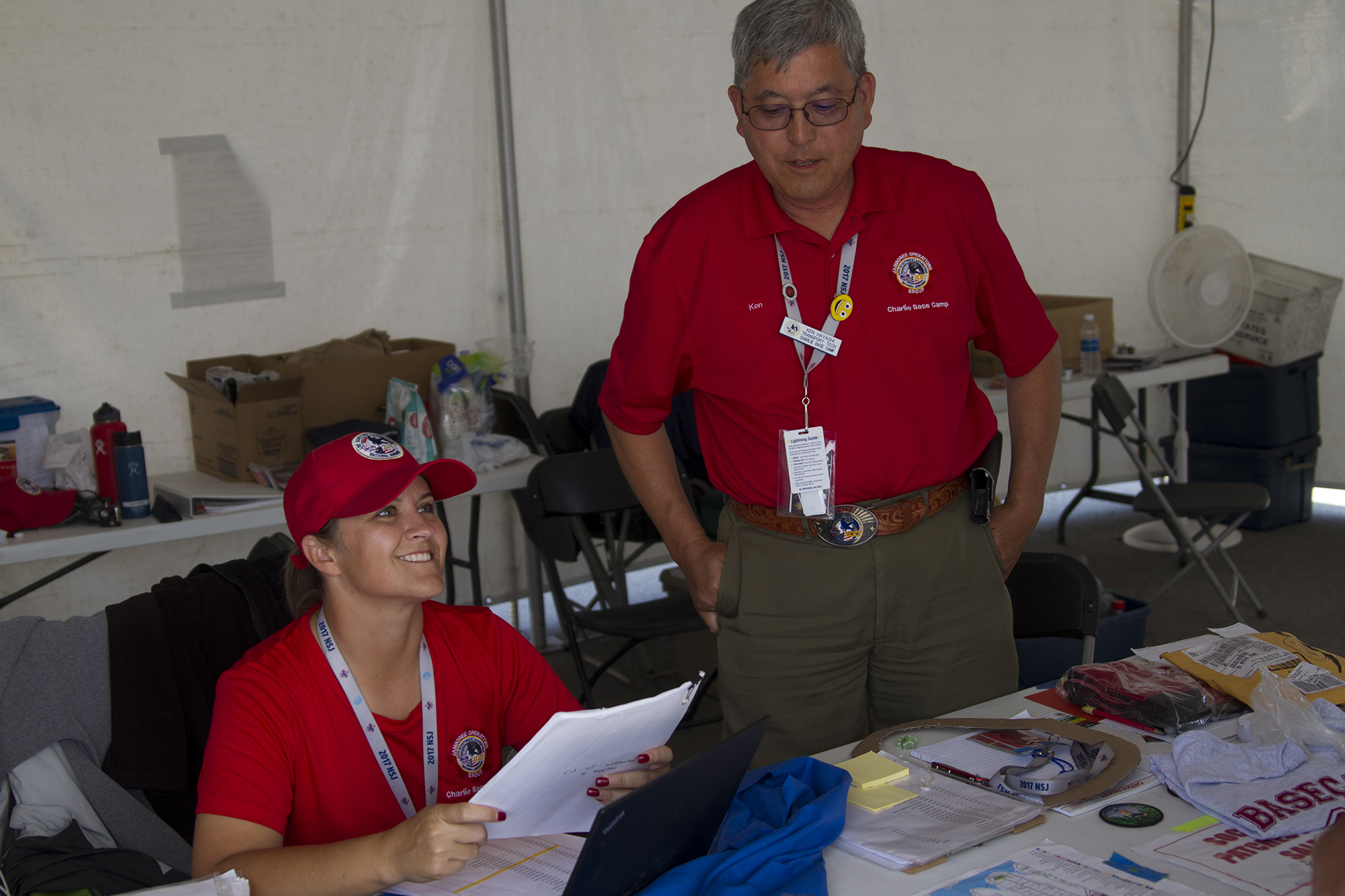
Now that the summer camp season is over, this is the perfect time to review what worked, what created challenges, and what leaders wished they had known sooner. With experiences still fresh, the post-season window is ideal for updating your long-term camp leader guide, so it better supports unit leaders before the next summer begins.
Tip #1: Start With the Big Picture
Open your leader’s guide by clearly setting expectations. A short welcome that explains the purpose of camp, its values, and how the program supports youth development helps leaders understand the why behind the experience, not just the logistics.
Tip #2: Make Planning Information Easy to Find
If leaders must hunt for deadlines or payment details, the guide isn’t doing its job. Clearly outline:
- Reservation and registration processes (including items like merit badge registration for Scouts BSA camps and adventure loops for Cub Scouts)
- Key dates and payment schedules
- Refund policies and financial assistance options
Pro tip: Use checklists or timelines so leaders can see everything at a glance.
Tip #3: Put Health and Safety Front and Center
Health and safety details should never be buried. Make sure your guide clearly spells out:
- Medical form requirements, deadlines and reminders on dietary needs and medication storage.
- Supervision expectations
- Activity prerequisites and emergency procedures
Clear guidance up front prevents last-minute issues and sets leaders up for success.
Tip #4: Explain What Daily Camp Life Looks Like
Leaders and Scouts do better when they know what to expect. Include an overview of:
- Arrival and departure procedures
- Typical daily schedules
- Meals, campsite responsibilities, and visitor policies
This helps units settle in faster and reduces anxiety for first-time campers.
Tip #5: Help Leaders Plan a Balanced Program
A strong leader’s guide doesn’t just list activities it helps leaders make informed choices. Share guidance on:
- Reasonable advancement and activity loads for Scouts
- Additional program costs and how to reserve spots
- Options and recommendations for first-year campers
- Planning ahead for camp-wide games, troop competitions, and special events that require Scout participation and preparation
- Any restrictions, prerequisites, or limits tied to merit badges and other activities, including age requirements, physical demands, or scheduling constraints
- Balancing structured classes, troop time, free time, and camp-wide activities
The goal is a well-rounded experience that allows Scouts to fully participate in the program and not an overbooked schedule that limits flexibility or fun.
Tip #6: Set Clear Expectations for Scout Behavior and Responsibility
Camp is a growth opportunity. Use your guide to reinforce expectations around:
- Personal responsibility and teamwork
- Respectful behavior and camp rules
- Leadership opportunities within the unit
Clear expectations create a positive camp culture for everyone.
Tip #7: Highlight How Leaders Can Get Help
Let leaders know they are not on their own. Clearly explain:
- How to access camp staff support
- When and where leader meetings occur
- How feedback and concerns should be shared
- Volunteer and service opportunities, many leaders bring valuable skills that can support camp operations
When leaders know where to turn, small issues stay small.
Tip #8: Don’t Forget the Parents
A strong leader guide also serves families by providing clear, parent-focused guidance on:
- Packing and spending money: Include examples of items available in the trading post.
- Communication and mail: Clarify whether mail is allowed and which items are permitted or prohibited.
- Missing home and first-time camper support: Offer tips to help families prepare their Scouts.
Tip #9: Learn From Other Councils
You don’t have to reinvent the wheel. Reach out to other councils and camps to see how they structure their leader’s guides, what formats they use, and what information leaders find most helpful. Sharing best practices can spark improvements and elevate the overall quality of your guide.
Tip #10: Use Off-Season to Improve and Align
The most effective leader’s guides are living documents. During the off-season, take time to:
- Get a head start: Summer will be here before you know it.
- Collect feedback: Hear from leaders and staff about what works and what doesn’t.
- Spot trends: Identify recurring questions or common challenges.
- Check for consistency: Ensure branding, images, and terminology align with Scouting America and National Camp standards.
- Update policies and procedures: Confirm they reflect current Scouting America and National Camp Accreditation program standards.
Small adjustments now can save time and prevent dozens of questions when summer arrives.
Your long-term camp leader’s guide isn’t just an information packet; it’s a confidence builder. When it’s clear, organized, and proactive, leaders arrive prepared, Scouts settle in quickly, and camp staff can focus on delivering great program.
At its best, a leader guide does more than outline rules and schedules. It empowers leaders, aligns expectations, and strengthens partnerships between camps, units, and families. When leaders are prepared, Scouts are free to focus on adventure, growth, and creating the memories that make summer camp a cornerstone of the Scouting experience.

Camping
“I do find that there’s a fine balance between preparation and seeing what happens naturally.” – Timothee Chalamet
It’s baaack! A Scouting website that helps Scouts and leaders work through the steps needed to plan most outings or adventures. Known as “The Adventure Plan” or TAP, this site is made up of six steps called Waypoints. These Waypoints guide planners through the many details needed to plan a safe and fun outing as they weigh options, consider logistics, create an itinerary, anticipate challenges that may arise, and reflect on how it went.
Links to Scouting literature throughout the site make finding answers to “how do we…” questions easier to find. Along with a robust Resources section, this new tool is one every Scout and leader needs in their toolkit. Try it as your team organizes your next outing to help your Scouts “Be Prepared.”
Check it out at: https://www.scouting.org/outdoor-programs/tap/
Special thanks to the National Camping and Trekking Committee for their dedicated efforts to create this user-friendly tool.
National Jamboree
The next National Jamboree will be held July 22-31, 2026, at the Summit Bechtel Reserve in Glen Jean, WV. In case you have not heard, the theme is ELEVATE and this event will ELEVATE your Scouting and will be a life changing experience not just for your Scouts but for you as well.
So what is a Jamboree? It is Scouting’s premiere event where we gather with over 10,000 Scouts and Scouters who come together to celebrate the spirit of Scouting. The Jamboree is a life-changing experience for both youth and adults who attend. The memories and experiences they have last a lifetime. Friends that are made become lifelong companions and the shared experiences are talked about around campfires for years to come.
So you don’t want to miss out on this opportunity as it only comes around every few years. If you miss this one the next one won’t be until 2029.
Here are a few keys to ELEVATE your Jamboree knowledge.
- ELEVATE your community and learn that Scouting is bigger than just my unit. We plan to have an arena show (or two) to gather the entire Jamboree together to celebrate Scouting and have a great time. it is a sight to see everyone together and to help youth to understand that Scouting is bigger than just my unit, district or council. Scouting is all of us and we will showcase this when we bring everyone together.
- ELEVATE your Scouts by helping them come to the Jamboree! The Jamboree, like most things in Scouting, is only successful when we all work together. We need you to help promote the Jamboree to your unit, your district, your council and to your friends. We need you to help fill contingents of youth, so they do not miss this once in a lifetime event. Most Scouts will only have one opportunity to experience a Jamboree as a youth, so make sure that they don’t miss out.
- ELEVATE your Scouting Journey! The Jamboree relies on great volunteers to help us in all aspects of the event. We need people to run programs, help in administration, operations and logistics to name a few. There is a job for you! Like other parts of Scouting if there is something you like to do, you can do it at the Jamboree. So look to be a part of the largest “staff” in Scouting.
- ELEVATE your reach. If you are looking for some resources to help you get the word out, make sure to check out the Brand Center. Here you will find some social media ready photos and videos that you can share. You will also find the Jamboree “ELEVATE” theme logo and brand guidance. Click on this link to take you straight to the Jamboree resources. https://scouting.webdamdb.com/bp/#/folder/13228711/. Go take a look now at the great images, and videos and share a couple on your social channels… I’ll wait…
- ELEVATE your awareness. Now that you have seen (and shared) the videos, you are asking “How do I sign up?” Registration will open this fall, but until then keep up to date by signing up to receive notifications from us by visiting www.jamboree.scouting.org. Here you will find all the information you need about the Jamboree. Bookmark the site as this will be your main source of information for all things Jamboree. If you did not get a chance to see it, you should also check out the “Trek on Tuesday” where despite some technical difficulties, we shared some great information about the Jamboree. You can find that discussion here. – https://www.youtube.com/live/WOOKLGAp2Cg
The National Jamboree is Scouting premiere event so you definitely do not want to miss it. Make your plans now to participate as a contingent member or on the Jamboree Service Team (Staff). This will be our first Jamboree as Scouting America and you can’t say you have been to every Scouting America Jamboree if you miss the first one! Keep watching for more information and to get signed up.

NCAP
It’s that time of year again to change the calendar and share that the 2026 National Camp Accreditation Program (NCAP) Standards are here! Each year, the NCAP Committee collaborates with subject matter experts to carefully review and update these standards, ensuring they remain current, practical, and aligned with the values of Scouting America.
Every participant who attends a camp program expects an experience that is both safe and high-quality. Scouting America takes great pride in offering these programs, but maintaining our reputation for excellence takes all of us. Through NCAP, councils and camps can confirm they are meeting or exceeding the standards that uphold Scouting’s brand and mission.
It’s important to remember that the standards aren’t a list of new rules. Instead, they serve as a framework for support and are a resource designed to help staff locate guidance quickly and connect with the right documentation or experts when needed.
So, who should review the new standards? In short, everyone who is involved in camp operations. Whether you support day camps, short-term camps, or long-term camps, take time to read through the sections that apply to your area. The more familiar your team becomes with these expectations, the stronger and more confident your program will be.
You can access the full set of standards and related resources at www.scouting.org/ncap. Download a copy, learn more about the assessment process, and explore how you can contribute to continuous improvement. On this page you will also find the latest “NCAP circular” which will discuss the changes for 2026 and the reasoning behind the changes.
Together, we can make the Scouting experience even more impactful, because safety, quality, and growth start with all of us.
Fishing
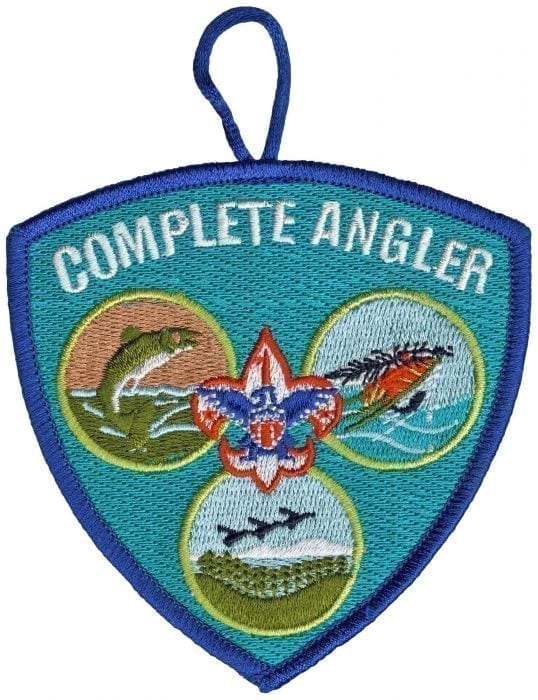
Scouting America’s Complete Angler Award honors Scouts who earn all three fishing-related merit badges: Fishing, Fly-Fishing, and Fish & Wildlife Management.
Fishing Merit Badge was one of the original merit badges and over two million have earned it. In a recent Boys’ Life survey, fishing placed 4th overall as the preferred outdoor activity, surpassed only by camping, swimming and bicycling. What better way to keep older Scouts involved than by expanding on this trend.
After completing the Complete Angler Recognition, these older Scouts can become mentors for younger Scouts, sharing their knowledge and helping others to enjoy a positive fishing experience.
To become eligible for the award, earn these three merit badges: Fishing, Fly-Fishing, and Fish and Wildlife Management.
Then complete one or more of the following projects:
- Teach a Fishing or Fly-Fishing merit badge skill to your troop, crew or team as part of a unit program activity.
- Help instruct Cub Scouts on fishing skills or fishery management as part of a Cub Scout meeting or outing.
- Participate in a local fishing derby or tournament, either a Scouting or Community event.
- Complete a conservation project that will benefit a local fishery.
Upon completion, this recognition is available for order at your local Scout shop.
Resources:
Complete Angler Recognition Form
https://filestore.scouting.org/filestore/Outdoor%20Program/pdf/Complete_Angler_Recognition.pdf
Email blast!
Email blast!