

- All
- Aquatics
- Awards
- Biking
- Camp Staff
- Camping
- Conservation & Environment
- COPE/Climbing
- Cub Scouting
- Fishing
- National Jamboree
- National Outdoor Conference
- NCAP
- Outdoor Ethics/Leave No Trace
- Properties
- Range & Target Activities
- Safety
- Shooting Sports
- Sponsored Content
- Wheels & Board Sports

National Jamboree
We’re thrilled to share some exciting news with you: Bill Beaumont has officially joined us as the Director of the 2026 National Scout Jamboree.
If you haven’t met Bill yet, you’re in for a treat. He brings with him a deep love for the outdoors, the Jamboree, and a resume full Scouting experience. With his energy and vision, we know the Jamboree is in good hands.
He’s spent time in the field and in the office but in the end he has a clear passion for making unforgettable outdoor experiences happen for young people.
As we gear up for the 2026 National Scout Jamboree, we know how important this event is — not just for participants, but for the movement as a whole. It’s our chance to show thousands of youth what Scouting is all about: adventure, community, challenge, and growth.
Bill gets that. In fact, he’s lived it.
He’s led summer camps for thousands of campers, developed high-adventure programming, and mentored countless volunteers and staff along the way. He understands the scale and complexity of the Jamboree — but more importantly, he understands why it matters.
You’ll be hearing a lot more from Bill in the months ahead. He’s hitting the ground running meeting the team, developing plans, and working closely with staff and volunteers across the country to make sure the 2026 Jamboree will ELEVATE Scouting in all aspects.
Please join us in welcoming Bill Beaumont to his new role. We’re excited for what’s ahead — and we’re grateful to have such a passionate, experienced, and mission-driven leader guiding the way.
If you have any questions about the Jamboree visit the Jamboree website at https://jamboree.scouting.org/.
If you have not registered for the Jamboree – What are you waiting for? Register for staff at https://jamboree.scouting.org/ or for a contingent with your local council. See you in 2026.

Camp Staff / Camping
We are pleased to announce the selection of Chris Herold as Sr. Program Administrative Specialist – National Camping School, effective October 1, 2025. Chris brings more than 13 years of professional Scouting leadership experience to the role.
After seven summers on camp staff, Chris began his professional Scouting career in 1990 with the Cascade Pacific Council, serving as Exploring Executive, District Executive, and Senior District Executive—all while holding camp leadership positions.
He later led a construction services company before earning a Master’s in Teaching in 2002. Chris taught for ten years, then became a school administrator for six years, serving as Principal and Early Childhood Director. In these roles he developed innovative curriculum, summer camps, technology integration, service programs, and accreditation initiatives.
Chris returned to Scouting in 2018 as Camping Director of Cascade Pacific Council. There, he built strong outdoor committees and partnered with seasonal Camp Directors to strengthen programs, operations, and events. His team guided five camps in Northwest Oregon through the challenges of COVID. He also advanced hiring and retention systems, proactive mental health training, streamlined registration, and significantly expanded trading post operations.
An Eagle Scout with one palm, Chris is a Brotherhood member of the Order of the Arrow and has served as both staff and participant at National Camping School. He and his wife, Kellie, enjoy international travel, time with friends and their adult children floating the Deschutes River or walking the beach, and their large extended families (Chris is one of nine, Kellie of ten).
Chris looks forward to leading and supporting National Camping Schools and national committees to help camp leaders deliver safe, high-quality programs across the nation. He will report to Tom Pendleton, National Director of Outdoor Programs and Properties, and will be based in Irving, TX.
Aquatics
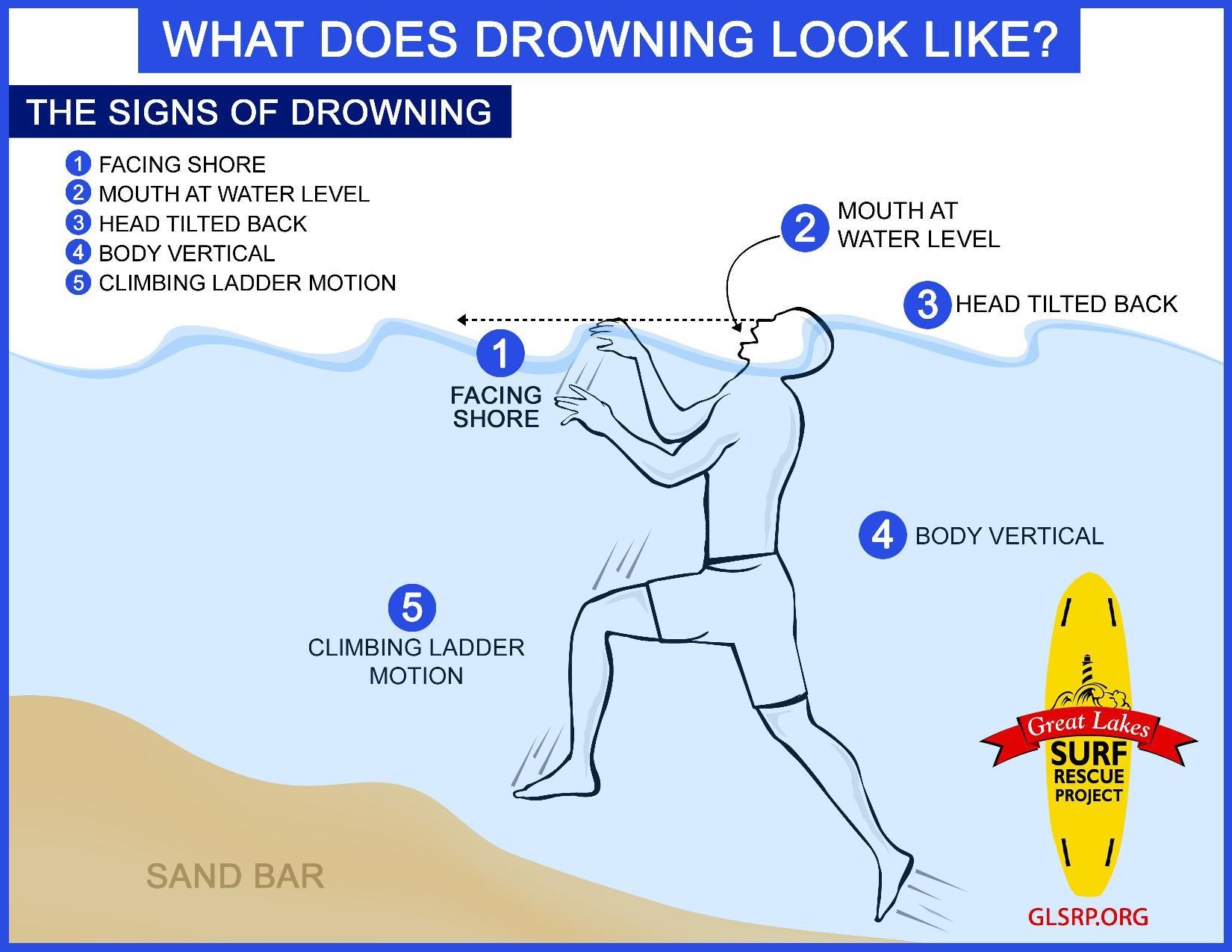
Did you know that the largest percentage of fatal drownings in the United States in kids 19 and younger occur in open water, such as lakes, oceans, and rivers? To get an idea of just how quiet and undramatic from the surface drowning can be, consider this: It is the No. 2 cause of accidental death in children ages 15 and under, just behind vehicle accidents.
Some drownings occur because people do not recognize the signs it is happening. No yelling, no waving. Just a silent gasping for air and 20 to 60 seconds later, submersion. And someone has drowned, maybe in plain sight.
Since the inception of Scouting, learning to swim and engaging in aquatics activities have been core to the program. More than 1.5 million aquatics-related merit badges have been earned by Scouts BSA since 2009. Scouting America has also been a leader in promoting and providing training in aquatics safety. For at least 80 years, checklists have been in place to make sure those aquatic experiences are positive ones.
Safe Swim Defense and Safety Afloat govern Scouting America swimming and boating activities. These programs help provide leaders, Scouts and parents with the tools they need to be prepared to participate in aquatics activities. These programs are Scouting America’s way to conduct a safe and fun aquatics program.
Be prepared for your aquatics adventures this summer!
Fishing
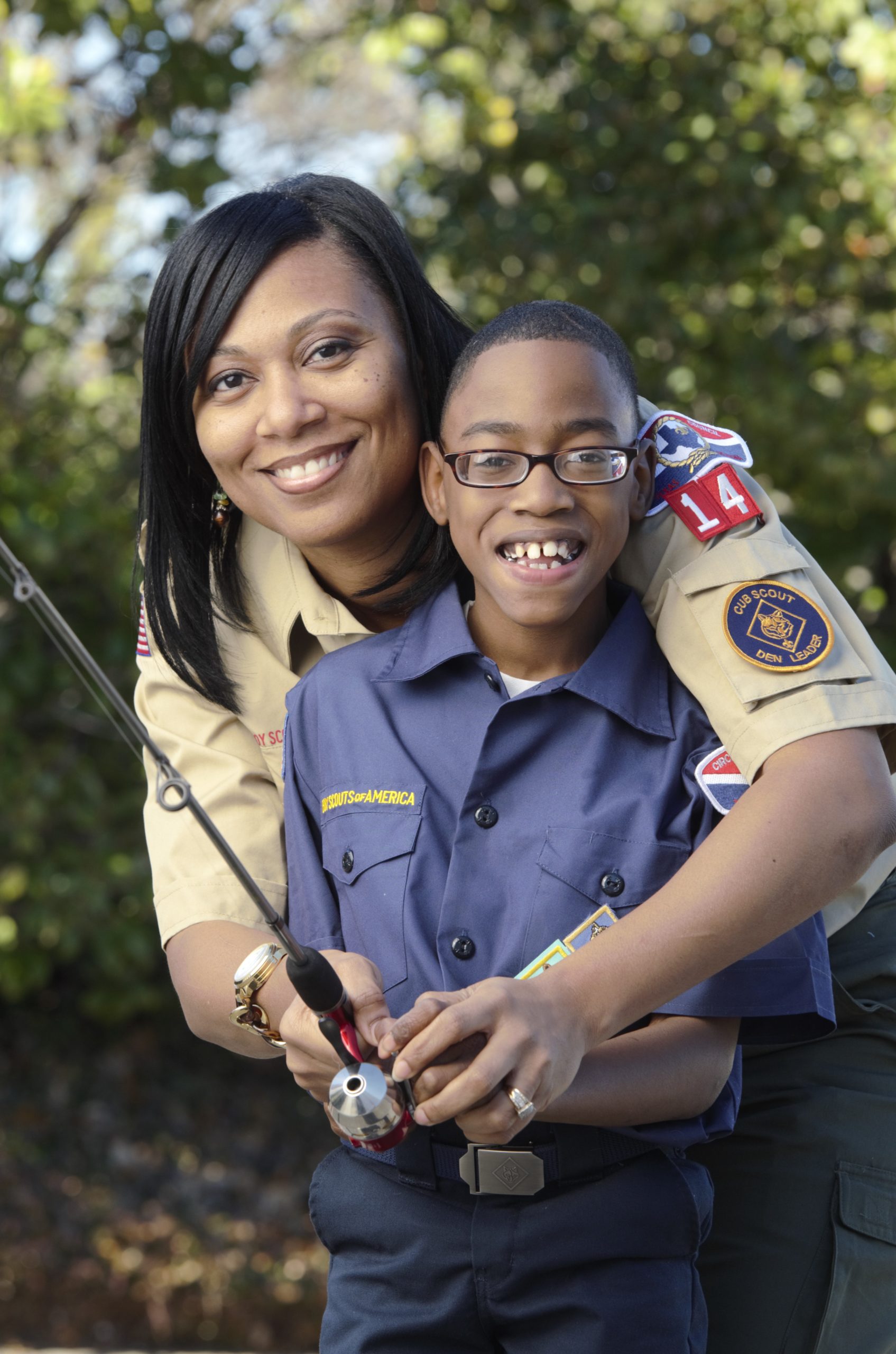
What makes fishing such a great outdoor activity? Especially today, we are not fishing to feed our families. We fish for the challenge of fooling the fish into thinking we can imitate the natural environment and their prey. Many times, we catch and release the fish. We do this so we can keep a resource and possibly catch them when they have grown bigger.
Most times we go fishing not to catch fish but, to be outside many times sitting next to a beautiful mountain stream or rocking with the blue ocean. It is an activity that will transport us away from the stresses of everyday life and the only thing we can think about is concentrating on what we must do next to catch that fish.
The act of fishing drives us to want to preserve this experience for ourselves. In the long run, it makes us want to preserve it for future generations. From this, we learn about wildlife conservation. Fishing teaches us to care about things beyond ourselves.
The fact is that I would probably not be a Scout Leader without fishing.
My father was raised in a very poor part of Los Angeles from a poor Japanese immigrant family. The local Catholic Church had the best school in the area. My Grandparents valued education as the way out of poverty so my dad and his brother we enrolled in that school.
That school had a Boy Scout Troop. My father told me that his lifetime love of fishing came from learning to fish in Boy Scouts. He passed his love for fishing to me and enrolled me in Scouts as soon as I was old enough. I did the same thing when my son was old enough to be a Tiger Scout. My dad only became a Second Class Scout but he always lived by the Scout Oath and Law.
We, as Scout Leaders, have many opportunities to influence many generations ahead of us. It is why most of us are Scout Leaders. It would have to be obvious to you why, I have chosen fishing as my way of keeping Youth active in our movement. We all must have that special bait to keep and retain Youth. Therefore, fishing is my tool.

Sponsored Content
[Sponsored Content]
Dear Scouting America Leaders,
As you prepare for the changes to the National Camp Standards that took effect on January 1st, we understand that keeping your camp environment safe and compliant is a top priority. The new policy will require all upper bunks to have guardrails, designed to reduce the risks of injury and enhance the safety of campers. This is the perfect time to evaluate your camp’s bunk beds and ensure they meet the new standards, and we’re here to help!
Why Our Heavy-Duty Metal Bunk Bed Frames Are the Best Choice for Your Camp
At HeavyDutyBunkBeds.com, we specialize in providing durable, safe, and compliant bunk bed frames designed to withstand the high demands of camp environments. Here’s why our heavy-duty metal bunk bed frames are the ideal solution for your camp:
- Built for Safety and Compliance
Our bunk beds come equipped with sturdy, fully integrated guardrails that meet or exceed the required height and safety standards, ensuring your camp is compliant with 2025 National Camp Standard FA-717. - Bed Bug Resistant Design
Our frames are designed with welded tubes on all four sides, creating a solid and smooth surface that prevents bed bugs from entering or nesting in the frame. This added feature makes it much easier to keep your camp environment safe and hygienic. The welded construction also eliminates gaps that could serve as hiding spots for pests, offering peace of mind to camp staff and parents alike. - Durability That Lasts
Our heavy-duty metal frames are engineered to withstand years of high-traffic use in camp settings. Constructed from high-quality materials, they are rust-resistant, strong, and built to handle the rough and tumble of camp life, ensuring that your investment lasts for many seasons to come. - Easy to Maintain
Designed for easy assembly and minimal maintenance, our metal bunk beds are perfect for busy camp staff. The robust construction ensures that the frames remain secure, while the simple design makes it easy to clean and inspect for safety over time. - Comfort and Stability
Your Scouts deserve a comfortable, stable, and secure place to rest after a day of activities. Our bunk bed frames provide a solid foundation for mattresses, ensuring campers sleep soundly without worrying about wobbling or instability. - Cost-Effective for Camp Budgets
We understand that camps operate on tight budgets, which is why we offer competitive pricing for our heavy-duty metal bunk beds. You get superior quality and durability at a price that fits your camp’s financial needs.
Ensure Your Camp Is Ready for 2025
With the new bunk bed safety policies that went into effect on January 1st, 2025 (NCAP Standard FA-717), now is the time to upgrade or replace your old bunk beds to ensure your camp is fully compliant. Our heavy-duty metal bunk bed frames meet all the necessary safety standards, are built to last, and provide your campers with a secure, comfortable environment for restful nights and exciting days ahead.
Reach out to us today to learn more about our products, request a quote, or schedule a consultation. We’re here to help you ensure your camp stays safe, compliant, and ready for whatever adventure comes next!
Best regards,
Dick Bouman
EM: Dick@essuniversal.com
PH: 616.229.0597
www.HeavyDutyBunkBeds.com
Ps. If you have any questions about the new regulations, our bed bug resistant frames, or our bunk bed frames in general, don’t hesitate to get in touch. We’re happy to assist you in making the best choice for your camp!
CLICK HERE to view video testimonials from Camp Directors
CLICK HERE to view a video preview of the Dallas Single Over Single Bunk Bed
[Sponsored Content]

NCAP
According to the National Camp Accreditation Program (NCAP) Standard SA-001, all short-term camps, whether held on council property or off-site, require oversight by a certified Short-Term Camp Administrator (STCA) to maintain compliance with national guidelines.
Investing in trained Short-Term Camp Administrators is not about simply meeting a requirement. It is about equipping your team to deliver safe, enriching experiences that reflect the values of Scouting. Short-term camps, which are defined as any council-organized overnight programs lasting one to three nights, are a cornerstone of Scouting’s outdoor experience. See the full definition in NCAP standard SA-001.
Ensuring Compliance and Safety
This training ensures your short-term camp leaders are equipped to handle the complexities of camp operations while prioritizing participant safety. The STCA is responsible for implementing NCAP standards throughout the camp operation. This includes verifying that facilities meet safety requirements, health and sanitation measures are in place, and all activities adhere to national guidelines. NCAP Standard SQ-403 mandates that the administrator holds a current certification from National Camping School (NCS). This the person ensures that risks are managed and high-quality program is delivered each time your council holds a short-term camp.
Getting Certified
Training for Short-Term Camp Administrators smooths the path for your council. The Outdoor Programs Department and some local councils provide regular National Camping School certification courses covering planning, program development, staff recruitment, and risk management. For short-term administrators, certification takes eight hours of instruction and is valid for two years, with four-hour recertification options available to maintain compliance (NCAP Standard SQ-403). In addition, any current NCS certified Long Term Camp Director is also able to serve as a STCA.
Key Benefits of Using Certified STCAs
- Compliance with NCAP Standards: Meets requirements outlined in SA-001 and SQ-403.
- Risk Management Expertise: Reduces liability for councils and districts.
- Enhanced Program Quality: Ensures activities are safe, engaging, and aligned with Scouting principles.
- Consistency Across Events: Provides uniform standards for all short-term camps.
- Confidence for Leaders and Parents: Demonstrates a commitment to safety and excellence.
Strengthening Scouting’s Outdoor Program
By implementing NCAP standards through qualified administrators, councils and districts ensure every short-term camp fosters growth, leadership, and outdoor skills. Check for upcoming training dates to be ready for your council’s upcoming short-term camps at: https://www.scouting.org/outdoor-programs/camping/short-term-camp/.

Cub Scouting
Winter is a magical season that provides unique opportunities for Cub Scouts to explore the outdoors, learn new skills, and earn adventures in a safe, exciting environment. Many Cub Scout ranks include adventures that can be completed in cold-weather settings, allowing Scouts to stay active, learn resilience, and foster teamwork. For example:
Lion Cub Scouts – Fun on the Run!
This adventure teaches Lion Cub Scouts about being active and having fun while exercising. In the winter, you can adapt this to include winter-themed games and activities.
Winter Adaptations:
- Sled Racing: Set up a sled race in a safe area with a slight incline. Lions can race their friends on sleds or snow tubes.
- Snowball Toss: Create a target for the Cubs to throw snowballs (or soft alternatives if no snow) into, turning it into a fun winter challenge.
- Snowman Relay: Organize a relay race where Scouts “build” a snowman by collecting snowball-sized items (such as white socks or small balls) and rolling them to a “snowman” station.
Tiger Cub Scouts – Tigers in the Wild
This adventure introduces Tigers to nature and the outdoors. It’s a great adventure to adapt to winter exploration, focusing on how nature changes during the colder months.
Winter Adaptations:
- Winter Nature Hike: Take a nature hike and point out the changes in plants, trees, and animal activity in the winter. Discuss how animals survive the cold weather, such as hibernation or migration.
- Winter Wildlife Observation: Bring out a pair of binoculars and observe birds, tracks, or other signs of wildlife in a winter forest or park. Teach Cubs how to stay quiet and respectful when observing animals.
Wolf Cub Scouts – Running with the Pack
This adventure is all about sports and physical fitness. It’s a great time to adapt it to winter sports and games that encourage physical activity in cold weather. Winter Adaptations:
- Winter Sports Relay: Set up a relay race featuring winter sports, like sledding down a hill, snowball tossing, or a snowshoe race (if snowshoes are available).
- Winter Obstacle Course: Create an obstacle course with a winter theme, like running around snowmen, crawling under branches, or jumping over snow mounds.
Bear Cub Scouts – Roaring Laughter
This adventure is all about fun and laughter! Adapt if for the winter by ending your event with a cozy campfire gathering. Bring everyone together at the end of the day for a campfire (if local guidelines allow). Campfire songs, storytelling, and hot chocolate create a warm conclusion to winter activities and give Scouts a chance to reflect on their achievements.
- Have a “funniest joke contest”.
- Play charades with the larger group!
Webelos & Arrow of Light Scouts
With these two ranks, engage Scouts with winter-themed skills such as starting a fire safely, tying knots while wearing gloves, or building a winter shelter. These skills add a sense of adventure and can apply to adventure loops, providing advancement and fun challenges for each rank. Additional ideas could include:
- Knife Safety & Carving: Host a session indoors where Webelos and Arrow of Light Scouts can carve winter-themed figures like snowflakes or animals.
- Tech on the Trail (Webelos): Geocache in the snow!
- High Tech Outdoors (Arrow of Light): Help Scouts use apps to check the weather forecast and determine how to be prepared.

Camping
The off-season is often viewed as a quiet time for Scout camps, but it’s actually one of the most critical periods for engaging with your camp staff. Winter months may separate your team from camp, but that doesn’t mean the bond needs to fade. In fact, this is the perfect time to nurture connections, keep excitement high, and encourage your camp staff to return for another summer. Effective winter engagement not only strengthens the camp community but also ensures that you retain experienced, passionate staff for the upcoming season.
In this article, we’ll explore practical and creative ways to engage with your camp staff over the winter months, so they feel excited and motivated to return next summer.
Newsletters: Send out a short email that includes camp updates, highlights from the previous season, and exciting plans for the upcoming summer. Include features like “Staff Spotlight” profiles to showcase the achievements of returning team members.
Virtual Campfires: Set up an online campfire or storytelling event where staff can share their favorite camp memories or play games. This helps maintain the camaraderie that comes with living and working at camp.
Certifications and Workshops: Help your staff enhance their skill sets by offering certification opportunities in areas like wilderness first aid or CPR during the offseason. These certifications can be useful both at camp and in their future endeavors.
Handwritten Notes: A handwritten note of appreciation can be incredibly meaningful. Take the time to write a personal message to each returning staff member, thanking them for their contributions and letting them know you’re excited to have them back.
Anniversary Celebrations: Recognize staff who have hit major milestones, such as one year, two years, or even five years of working at camp. Highlight their growth and accomplishments within your communication channels to inspire others to stay.
Money Talks: Encouraging returning staff to commit to the upcoming summer as early as possible can help ensure your team is filled early and often. Consider offering exclusive perks to those who commit early. For example, early rehire bonuses. Provide incentives such as bonuses or camp discounts for those who re-sign early for the following season. This rewards their commitment and makes it easy for them to lock in their place for the summer.
Recruiting and engaging returning camp staff during the off-season may seem daunting, but it’s a crucial part of ensuring your Scout camp’s success. By starting early and keeping staff engaged throughout the winter months, you’ll be well on your way to building a team of dedicated, enthusiastic individuals ready to make the upcoming summer unforgettable.
Looking for other ideas? Check out this link from the American Camp Association too!
Properties
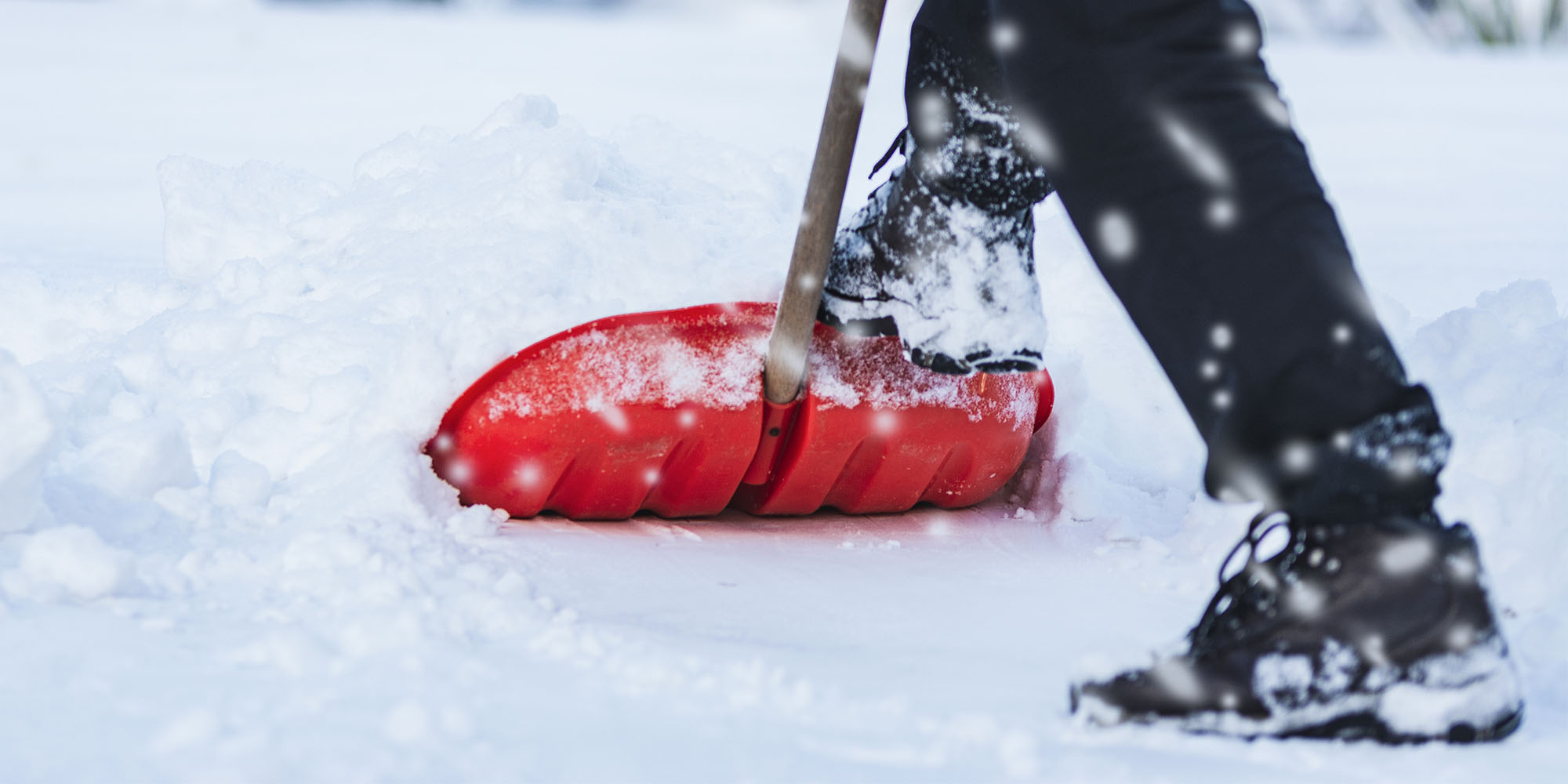
Winter is here and our driveways, sidewalks, and council properties are going to get covered in snow. Removal is a dreaded chore that needs to be planned out ahead of time. Snow shoveling can be a very dangerous task if not handled correctly.
Here are some fast and easy ways to stay safe this winter:
Warm Up. Yes, just like in gym class back in middle school warming up and doing stretching exercises will help from getting injured. Even just bending from side to side will help get you ready for the snow.
PUSH rather than lift. Lifting snow can be very strenuous. If you do lift the snow, make sure you lift with your legs and bend your knees.
A good shovel. Ergonomic shovels take the load off the back and keep your body from moving in positions where injuries can occur. Even better, use snow scoops instead of conventional shovels. Your back will love you for not having to do all that lifting.
Take a break. Only shovel for 20 to 30 minutes at a time. Take a break, have a nice warm cup of Hot Chocolate in between. Fresh wet snow can be extremely hard on your body so pace yourself. Overdoing it can lead to an increased risk of heart attack. According to the American Heart Association, even walking through heavy, wet snow can place strain on your heart. See this related article from the American Heart Association.
Wear Layers. Just like we learned in Scouting for winter weather. Layers are the way to maintain proper body temperature. Overheating can be a problem so keep it loose and take layers off as needed.
Stay Hydrated. Drink plenty of water to stay hydrated while moving snow.
Remember, winter is a time of year when a majority of us are less active so injuries can occur when we least expect them. Once you have finished that sidewalk clearing, drop a little ice melt down so you or a camper don’t slip and fall on your freshly cleaned area. Nobody wants their holidays ruined with a broken ankle or messed up back. So, stay safe and have a wonderful winter season.

Properties
Winter weather can bring challenges to outdoor maintenance projects at Scout camps. However, it’s also an opportune time to focus on indoor tasks that contribute to the overall upkeep of the camp. In this article, we’ll explore maintenance projects that can be done indoors during the winter season.
Cabin Inspections and Repairs:
Use the winter months to inspect cabins for any issues that may have arisen during the year. Check for leaks, drafts, or damaged windows and doors. Addressing these concerns early ensures a comfortable and secure environment for campers when the camping season resumes.
Indoor Painting and Refinishing:
Consider giving indoor spaces a fresh coat of paint or refinishing wooden surfaces. This not only enhances the aesthetics of the camp but also helps protect surfaces from wear and tear.
Update your FIIX Records:
Use this time indoors to ensure your FIIX records and files are up to date. Have you logged all the maintenance from the last few months? Create check lists for spring and get prepared for summer. Aren’t using FIIX yet? Reach out to outdoorprograms@scouting.org for details on this important tool.
Equipment Inventory and Repair:
Take inventory of indoor equipment such as tables, chairs, and kitchen appliances. Identify items that require repair or replacement. This ensures that all equipment is in optimal condition for the upcoming camping season.
Safety Equipment Check:
Inspect and maintain safety equipment stored indoors, including first aid kits, fire extinguishers, and emergency exit signage. Confirm your SDS sheets are up to date. Replace expired items, replenish supplies, and ensure that all safety measures are up to date.
Storage Organization:
Take the opportunity to organize storage spaces. Properly label and arrange equipment, tools, and supplies. This not only makes it easier to locate items when needed but also contributes to a more efficient use of indoor spaces.
Training and Development Sessions:
Use the winter weather to focus on your professional development. There are many online trainings that can be a great addition to your training profile as well as ensure you have the required 12 hours of continuing education per NCAP standard SQ-404.
Winter at Scout camps provides a unique chance to focus on indoor maintenance projects that contribute to the overall well-being of the camp. By tackling these tasks during the colder months, you ensure that the camp is ready to welcome campers with open arms when the warmer weather returns.

Properties
For some of us the winter coming means cold temperatures and potentially snow. But to keep our facilities in good shape we have to think about some things to ensure they are ready for next season. This includes getting the camp ready for the winter. To “Be Prepared” for the winter here are a few things you need to remember.
Winterizing a camp involves preparing the facilities and grounds for cold weather and potential winter usage by following a set of actions to protect property, equipment, and plumbing from potential damage.
Here are some key steps for winterizing Scouting America camp facilities:
- Preparing the grounds and exterior
- Clear debris: Remove leaves, branches, and any other debris from the camp area, especially around buildings, drainage systems, and pathways.
- Trim trees: Trim back tree branches that are close to buildings or power lines to prevent potential damage from winter storms.
- Inspect and repair structures: Check roofs, siding, windows, and doors for any damage that could allow water, pests, or cold air to enter and make necessary repairs to prevent more significant issues from developing during the winter months.
- Water systems
- Shut off the main water supply: Locate the main water shut-off valve, typically near the water meter, and turn off the water supply to all buildings in the camp.
- Drain all pipes: Open all faucets, including those for sinks, showers, and outdoor spigots, to drain the water from the lines.
- Blow out the lines: Use an air compressor to force any remaining water out of the pipes. This step helps prevent freezing and potential burst pipes during cold temperatures.
- Drain water heaters and tanks: Turn off the power or gas supply to water heaters, then drain them to prevent damage from freezing water.
- Winterize appliances: Drain water from dishwashers, washing machines, and refrigerator lines. Consider adding non-toxic RV antifreeze to the drains of sinks, tubs, and toilet tanks to prevent any residual water from freezing.
- Interior spaces
- Remove perishables: Remove all perishable food items from refrigerators, freezers, and cabinets to avoid spoilage and pests.
- Clean thoroughly: Deep clean all cabins, kitchens, and other indoor spaces. This helps deter pests and makes for an easier re-opening in the spring.
- Secure openings: Close and lock all windows and doors securely. Seal any cracks or openings in walls, foundations, and around pipes to prevent pest entry and drafts.
- Protect textiles: Close drapes or blinds to protect furniture and other textiles from sun damage, and use mothballs or dryer sheets to deter pests in storage areas for linens and bedding.
- Equipment and tools
- Store summer recreation equipment: Clean and store boats, kayaks, and other summer recreational equipment in a protected area to avoid damage from winter weather.
- Winterize gas-powered tools: Properly clean, drain, and store lawnmowers, weed whackers, and other gas-powered tools according to manufacturer instructions.
- Other important considerations
- Communication: Clearly communicate winterization procedures and any necessary precautions to camp staff, volunteers, or anyone who might access the facilities during the off-season.
- Winter programming (optional): If the camp will be used for winter programs, ensure adequate heating is available and necessary winter gear, like snowshoes, is on hand.
- Emergency plan: Have a clear plan for emergency situations, like power outages or burst pipes during the winter months.
- Follow Scouting America guidelines: Adhere to all safety guidelines and best practices for cold-weather camping and outdoor activities outlined by Scouting America.
By diligently following these steps, you can effectively winterize your BSA summer camp facilities, ensuring their protection during the off-season and a smooth reopening in the spring.
Email blast!
Email blast!