

- All
- Aquatics
- Awards
- Biking
- Camp Staff
- Camping
- Conservation & Environment
- COPE/Climbing
- Cub Scouting
- Fishing
- National Jamboree
- National Outdoor Conference
- NCAP
- Outdoor Ethics/Leave No Trace
- Properties
- Range & Target Activities
- Safety
- Shooting Sports
- Sponsored Content
- Wheels & Board Sports

Camping
It is almost summer and that can only mean one thing…being in the OUTDOORS!
Saturday, June 8, 2024, is not just any ordinary day—it’s National Get Outdoors Day, and now is the time to gear up to make it an adventure-packed celebration for all our Scouts!
Now, I know you’re always on the lookout for ways to engage and excite your Scouting units and get them out to camp, and what better way to do that than by embracing the great outdoors? On National Get Outdoors Day, let’s make a pact to take our Scouting spirit beyond the usual confines of our meeting location and into the wilderness – or at least somewhere outside.
Here’s the game plan: let’s use this special day to schedule some epic outdoor activities. Think hiking, fishing, archery, you name it. It’s the perfect opportunity to introduce our newly recruited Cub Scouts, and Scouts BSA members to the thrill of outdoor adventures and get them hooked on the magic of Scouting. Maybe even use an event as a kickoff to the new Cub Scout program adventures related to the outdoors. You can choose from several outdoor electives for each rank.
But wait, there’s more! Circle another date on your calendar because June 27 is the “Great American Campout”. It’s a chance for us to come together as a Scouting community and celebrate the joys of camping under the stars. This event is also known as the “Great American Backyard Campout”, so you don’t have to make this a large event. The key is to get our Scouts outside camping and give them a chance to sleep in a tent or even under the stars. Nothing better than camping with the family outdoors or sitting around the campfire telling stories and sharing laughs. Well maybe making S’mores around the campfire could make it better.
And speaking of s’mores, mark August 10, 2024, on your calendar as well. This is one of our favorite “holidays” as it is National S’mores Day! It’s the perfect excuse to indulge in this camping classic and create some sweet memories with your Scouts.
Now, I know what you’re thinking. How do we make all of this happen? Well, it’s simple! Get your team together, brainstorm some exciting outdoor activities, and start spreading the word among your Scouts and their families on how you can celebrate Great Outdoors Month through one of these fun special “holidays”.
So, are you ready to answer the call of the wild and make June 2024, an unforgettable outdoor extravaganza? I sure hope so! Let’s show the world what Scouting is all about—adventure, camaraderie, and the great outdoors!
National Jamboree
The countdown is on! The National Jamboree is right around the corner, and your adventure starts now! From mastering your Scout skills to giving back to the community that hosts us, this is your chance to live in the true spirit of Scouting.
Join Food Drive — Scouting for a Cause!
As thousands of Scouts gather at the Summit Bechtel Reserve (SBR), we have a powerful opportunity to make a difference in West Virginia.
Who we’re helping:
Food banks across a 4–6 county area in West Virginia, beginning with all of Fayette County — home of the SBR. Every can and box you bring will help feed families in need.
Our goal:
Let’s donate 20,000 items to support our neighbors and show what the Scouting community can do together!
Best items to bring:
- Peanut butter (no glass)
- Boxed mac & cheese
- Spaghetti & canned pasta sauce (no glass)
- Canned vegetables & beans
Who can participate:
Everyone coming to the National Scout Jamboree! Even if you’re flying, toss a lightweight item like mac and cheese or spaghetti into your pack.
Prefer to donate money?
We’ll also collect financial donations to bulk-purchase items for the drive — every dollar helps. More information coming soon on how to make a secure financial donation!
Where to drop off:
Bring your items to the collection point at check-in and help us kick off Jamboree with an act of service that truly matters.
Let’s show the world that “A Scout is Helpful.”
Take on the Scout Skills Challenge!
Think you’ve got what it takes? The Scout Skills Challenge is your chance to test your patrol’s skills, teamwork, and grit in a high-energy competition inspired by the Jamboree experience.
Scouts will race against the clock to tackle core challenges like:
- Search & Rescue: Carry your teammate safely through a 75ft course
- Knots & Lashings: Tie and demonstrate essential Scouting knots
- Shelter Building: Construct a functional shelter using limited materials
- Fire Making: Build: and light a fire strong enough to burn through a suspended string
Top times from across the country will be posted to the National Leaderboard and featured at the National Jamboree, where Scouts from around the country will be competing to see who has the best time. Every participant who submits a score before the end of 2025 earns an exclusive National Jamboree sticker!
Get creative, compete with your patrol, and bring the Jamboree energy to your winter and spring camporees and summer camps — then carry that excitement to SBR for the 2026 National Jamboree.
Submit your score: bit.ly/jambo26skills_fb
This is more than preparation — it’s the first step in your journey to Elevate the Jamboree experience. Every knot tied, every can donated, every flame sparked lifts us closer to the unforgettable adventure awaiting at the Summit. Let’s Elevate our service, our spirit, and our commitment — living Scouting’s values boldly and proudly every step of the way.

National Jamboree
Every few years, Scouts from across the country gather for an unforgettable experience known as the National Jamboree. For Scouts, it’s a chance to build lifelong friendships, develop leadership skills, and experience the very best that Scouting has to offer. But for parents, guardians, or adult leaders who now have expanded opportunities to attend alongside their Scout, the experience can be just as transformative.
Here’s why going to the National Jamboree with your Scout is a decision you won’t regret, especially with new ways to participate.
-A Shared Adventure
In a time when screens dominate and family time can be rare, the Jamboree offers a unique chance to unplug and reconnect. Whether you’re cheering your Scout on as they conquer a high ropes course or swapping stories around the campfire, you’ll be part of their adventure in a way few parents ever get to experience.
–Witness Their Growth Firsthand
Scouts are constantly challenged at the Jamboree—physically, mentally, and emotionally. Being there means watching your child step outside their comfort zone, take on leadership roles, and grow more confident each day. It’s a front-row seat to their personal development and a powerful reminder of Scouting’s impact.
-Be Part of Something Bigger
The energy of the National Jamboree is unmatched. Tens of thousands of Scouts and volunteers come together to celebrate unity, service, and adventure. Being there in person—surrounded by people who believe in the mission of Scouting—reminds you that you’re part of a movement shaping the future of our youth.
-Support Their Journey
Your presence isn’t just about being there—it’s about being involved. Whether you’re helping with logistics, volunteering at a station, or simply offering encouragement, your support sends a lasting message: “I believe in you.” That message sticks with them long after the tents are packed up.
–Create Lifelong Memories
From the awe-inspiring opening show to spontaneous trading post runs and late-night laughter, the Jamboree is packed with unforgettable moments. Sharing those experiences with your Scout makes them even more meaningful—and creates memories you’ll both treasure for years to come.
New for 2026: Council Contingent Staff Member Option
In response to growing interest from councils and families, the 2026 National Jamboree now includes a new way for adults to attend: as Council Contingent Staff Members.
What’s New?
Councils may now register additional adults beyond the required contingent leaders. These adults will:
- Serve as Council Contingent Staff (must be 21+)
- Support Jamboree operations during the day
- Remain embedded with their contingent in the evenings
- Travel, eat, and camp with their contingent
Registration & Recognition
Adults serving as Council Contingent Staff Members will register through their local council as part of the contingent (council approval required). Councils must still follow the standard contingent sizes of 20 or 40.
Each Council Contingent Staff Member will receive the Participant Recognition Kit, which includes:
- Two participant patches
- A participant neckerchief
- A 2026 National Jamboree red daypack
- A special staff gift, distributed onsite
Refunds
To thank these volunteers for their service, each Council Contingent Staff Member will receive a $400 refund upon completion of the Jamboree—provided they:
- Serve for 6 of the 7 program days
- Complete any required pre-Jamboree training
- Coordinate with their team lead to fulfill their service schedule
Refunds will be issued to the council for distribution.
Ready to Join the Adventure?
Adults now have a new way to be part of the National Jamboree through the Council Contingent Staff Member role—helping behind the scenes while staying connected with their Scouts. It’s a chance to serve, support, and make lasting memories together.
Stay tuned for registration details and learn more at jamboree.scouting.org.
NCAP
Running a successful camp requires more than just creating memorable activities; it involves a constant commitment to improvement and safety. This is where a Continuous Camp Improvement Plan (CCIP) proves invaluable. As outlined in the CCIP Guide, a CCIP is integral to meeting standards set by the National Camp Accreditation Program (NCAP) and is part of the 5-year authorization process for camps. Let’s explore how a CCIP can support your council’s goals in camper experience, staff development, operational efficiency, and environmental stewardship, with specific reference to the guide’s insights and NCAP standards.
- Enhance the Camper Experience
At the heart of the CCIP is a focus on continually improving the camper experience. NCAP requires councils to incorporate feedback from campers and families, allowing camps to adapt to evolving camper expectations. A CCIP helps camps stay in tune with trends and adjust activities, facilities, and food options to ensure they remain engaging, relevant, and safe. Whether through upgrading equipment or adding new programs, a CCIP keeps the camp experience fresh and enjoyable.
- Strengthen Staff Training and Morale
According to the CCIP Guide (page 8), NCAP emphasizes the importance of ongoing staff training and development, a core component of a successful CCIP. By collecting feedback from staff and regularly updating training programs, a CCIP helps staff build new skills, manage challenging situations, and create a positive team culture. This fosters a supportive environment where staff feel valued and motivated, which ultimately enhances the camper experience.
- Ensure Safety and Compliance
Safety is paramount, and a CCIP provides the structure for camps to regularly review and refine their safety protocols. As noted on page 12, NCAP Standard AO-805 outlines that a CCIP should include routine assessments of safety procedures, emergency response plans, and legal compliance. Camps that adopt continuous safety improvements can reduce risks and assure parents that their children are in a secure environment, building trust and accountability.
- Increase Operational Efficiency
Operational efficiency is another essential area addressed by the CCIP. Councils should analyze processes such as registration, budgeting, and inventory management to identify areas for improvement. A CCIP enables camps to optimize resource allocation and improve day-to-day operations, freeing staff to focus on creating a great camper experience while also achieving cost savings and smoother logistical operations.
- Commit to Environmental Stewardship
A CCIP encourages camps to be mindful of their environmental impact and to respond to changing environmental conditions. NCAP requires councils to adopt sustainable practices that protect natural resources. From managing water and energy usage to promoting Leave No Trace principles, a CCIP fosters environmental responsibility among campers and staff, supporting long-term sustainability while cultivating a respect for nature.
- Build a Positive Camp Reputation
Camps that continuously improve their programs are better positioned to build a strong reputation. Councils should demonstrate responsiveness to camper feedback to enhance their program quality. This commitment can lead to increased camper retention, positive referrals, and stronger community partnerships. Parents are more likely to trust camps with an established record of listening to feedback and making meaningful improvements, which ultimately attracts new families and loyal campers.
- Foster a Culture of Growth and Innovation
A CCIP creates a culture where everyone—from staff to campers—is encouraged to innovate, take on new challenges, and strive for growth. Page 13 of the CCIP Guide details how a CCIP supports fostering a growth-oriented culture within the camp community. This approach ensures that camps not only adapt to changes but thrive, fostering an environment where campers and staff alike feel empowered to contribute ideas and improvements.
Key Steps to Launch a Continuous Camp Improvement Plan
- Gather Regular Feedback: Use surveys, interviews, and observation to collect insights from campers, staff, and families as a foundation for targeted improvements.
- Set Clear Goals: Define measurable objectives based on NCAP standards and feedback. These could focus on safety, camper satisfaction, or sustainability goals.
- Implement and Track Changes: Put action plans into effect and monitor progress through regular evaluations and staff check-ins.
- Review and Adjust Regularly: Schedule routine assessments to ensure continuous alignment with NCAP standards and adjust as needed.
Conclusion
A CCIP is essential for camps aiming to improve, adapt, and provide exceptional experiences in line with NCAP standards. By committing to continuous improvement, camps not only enhance camper enjoyment and safety but also build a lasting legacy that benefits everyone involved. A CCIP isn’t just about addressing issues—it’s about building a camp environment that campers and staff want to return to year after year.

Properties
After months and months of juggling maintenance projects, capital improvements and year-round camp visitors, summer camp is just days or weeks away! For our camp rangers and maintenance teams, maintaining camp during the summer camp season can be complex! With new and returning camp staff, hundreds of weekly visitors, and the inevitable breakdown of some piece of equipment, it can be stressful to keep camp “day 1” ready every day.
Here are a few suggestions of how you can leverage your summer camp staff to help them help you!
- Provide resources. Working alongside the camp director, ensure that camp staff understand what a clean, safe and hazard free environment looks like in their specific area and then provide camp staff with cleaning supplies and basic supplies to help you help them keep their respective areas clean and hazard free.
- Regular Inspections. Camp staff can conduct routine inspections of camp facilities, equipment, and grounds. See something? Say Something! They should report any issues, such as damaged buildings, broken equipment, or hazardous conditions, to the maintenance team promptly. This proactive approach can help prevent minor issues from becoming major problems. Make regular inspections a part of their daily camp routine in their assigned areas.
- Have a specific process to notify you when something needs maintenance and communicate it to camp staff. Is this via paper? Via FIIX or other CMMS software? Online? Via text? The easier the process, the more likely you will know when something needs immediate repair. Share a sample of a “work order” that meets your expectations so camp staff know what will best help them help you help them when they submit a work order.
- Promote a Culture of Care: Camp staff can help promote a culture of care and respect for camp facilities among campers and visitors. Encouraging campers to clean up after themselves, use facilities properly, and report any damage they notice can help prevent unnecessary wear and tear on camp facilities. By modeling this behavior as camp staff themselves, campers will also model this behavior.
By actively involving camp staff in camp maintenance efforts, camps can ensure that their facilities remain safe, functional, and enjoyable for all campers and visitors throughout the camp season.
Safety
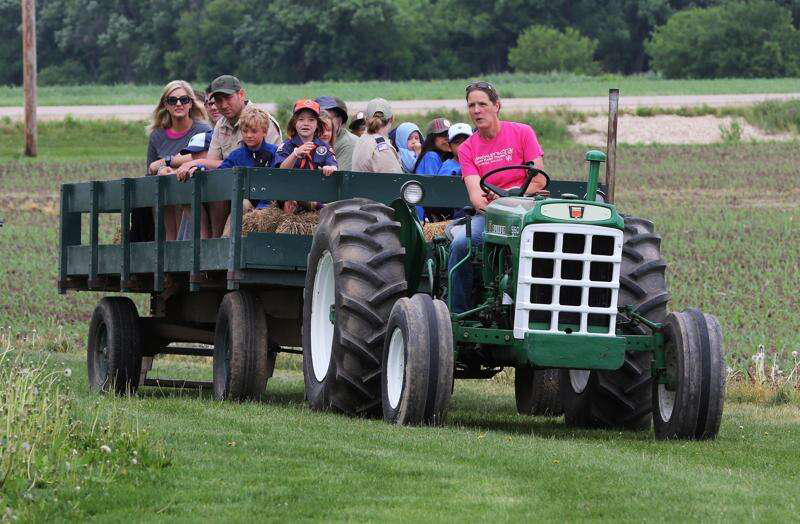
As the weather begins to cool and the season changes, now is the time that many of our units and councils are looking toward the holiday season and fall festivals. Many of these events include parades and hayrides or wagon rides. While these events are approved for Scouts of all ages there are a few things you need to remember in planning and executing a parade or hayride as a part of your camp or unit program.
In most circumstances the transportation of passengers in the back of a pickup truck or on a trailer is prohibited. The Guide to Safe Scouting specifically discusses the exception for hayrides and parades. (see Guide to Safe Scouting – Parade Floats and Hayrides)
So let’s start with a few SAFE tips for hayrides and parades:
Supervision: Active adult supervision is required for all Scouting activities, but especially ones where vehicles are involved. It’s a good idea to have leaders spread throughout your trailer, wagon, or truck bed near the open areas (like the access to the trailer, wagon or tailgate) to help with any unexpected bumps.
Assessment: Ensure that everyone is safe in the trailer or truck bed and that you are following the instructions listed in the Guide to Safe Scouting.
- Transportation to and from the parade or hayride site is not allowed on the truck or trailer.
- Those persons riding, whether seated or standing, must be able to hold on to something stationary.
- Legs must not hang over the side.
- Flashing lights must illuminate a vehicle used for a hayride after dark, or the vehicle must be followed by a vehicle with flashing lights.
Fitness and Skill: This involves not only the participants but the driver as well. All drivers of the tow vehicle need to be familiar with the proper procedures for towing vehicles. Additional training may be involved if the tow vehicle is a tractor or other farm type equipment.
Ensure all youth and adults who are participating in parades (especially if walking) are fit enough for the parade route. Many parades have elevation changes and some are lengthy so a health evaluation is important before you begin.
Equipment and Environment: Look at the equipment you are using for your hayride or parade and ensure that it meets the requirements for Scouts.
- Make sure no one can hang their legs over the side.
- Ensure that there is something stationary for everyone to hold onto even if seated.
- Keep an eye out for weather as the fall season changes rapidly. Make alternate plans if there is inclement weather forecast.
- Ensure that the trailer is properly secured to the tow vehicle. This could include proper sized tow hitch, chains and other safety measures.
- Ensure all participants are dressed properly for the weather and activity. If you are walking in the parade ensure that Scouts and leaders have water and proper footwear for the parade route.
Hayrides and parades are meant to be fun, but we, as leaders, must ensure they are safe, too. By following the Guide to Safe Scouting, you can make sure your Scouts are having the time of their lives, whether they’re waving to the community from a parade float or enjoying a hayride through a fall festival.
Wheels & Board Sports
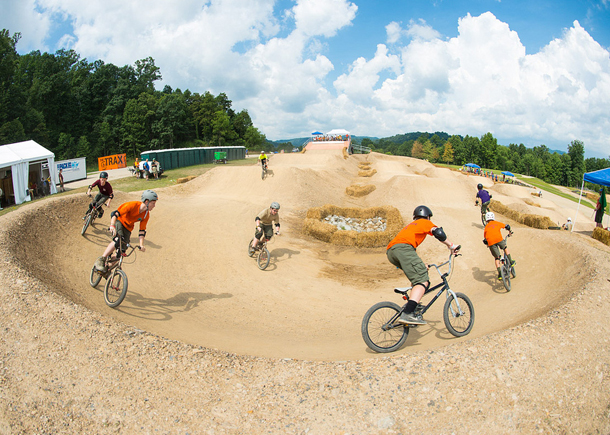
All Scouting America councils can benefit from cultivating knowledgeable local resources (volunteers, professionals, and consultants) to help districts, units, leaders, and families by providing program, health, and safety information and strategies for Wheels and Boards Sports. The council Wheels & Board Sports Committee oversees programs related to cycling, BMX, mountain biking, board sports, and winter sports.
This article discusses how to provide this support with a Wheels and Boards Sports Council Committee. One size does not fit all, but however you decide to organize your committee, the overall goal remains the same: provide support to Scouts and their leaders to participate in Wheels and Boards Sports in the Scouting program. Most Wheels and Board Sports committees will start with a limited number of goals that address the council’s most pressing needs. Over time, the work of the committee typically broadens as new opportunities are identified and volunteers are recruited. A successful committee is one that is responsive to the needs of its Scouting community.
This usually begins with an individual specialist or champion in the field of Wheels and Boards Sports—who advises leaders and fields questions from youth. Over time, as the council sees new opportunities, this group is often organized first as a subcommittee of the council program committee, but it can grow into much more. While it may start out with a particular focus, such a committee often expands to cover many different sports.
PURPOSES AND OBJECTIVES FOR A COMMITTEE
Each council knows its own needs and priorities best, and the charter of a Wheels and Boards Sports committee needs to reflect those priorities. The following list of possible purposes and objectives is more comprehensive than most councils have resources for. Do not let this overwhelm you. Instead, think of these as a menu of possibilities for your council to choose from. There is no single way to run such a committee, and no one expects a Council Wheels and Boards Sports committee to do everything listed below:
Training/Leader Development
- Develop volunteer leaders prepared to serve Scouts with Wheels and Boards Sports.
- Provide one-on-one consulting for leaders, Scouts, or families needing help with Scouting’s Wheels and Boards Sports.
- Organize and teach training sessions at the district or council levels (Roundtables, University of Scouting, College of Commissioner Science, camp staff, etc.).
- Support youth and adults with additional training.
- Recruit leaders/adults with Wheels and Boards Sports backgrounds to serve on training course staff.
- Disseminate newsletters and training materials developed by the national Wheels and Boards Sports committee.
- Support camp staff training.
- Promote and complete nomination procedures for BSA and non-BSA awards and recognitions for volunteers and youth involved in Wheels and Boards Sports programs.
- Encourage volunteers and professionals to attend national conferences at the Philmont Training Center, including the National Outdoor Conference.
Advancement
- Consult with Scouts, parents, guardians, and unit leaders supporting advancement requirements for Wheels and Boards Sports merit badges and awards.
- Advise the council Advancement Committee on Wheels and Boards Sports advancement as needed.
Commissioners
- Serve as a resource for commissioners.
- Maintain a library of reference literature that commissioners can use with units.
Liaison/Communication
- Recruit and maintain a Wheels and Boards Sports specialist for each sport.
- Assist with council websites and media communication to promote awareness of Wheels and Boards Sports programs.
- Share stories of Wheels and Boards Sports achievements by Scouts in your council.
- Identify people with specific skills or knowledge in Wheels and Boards Sports to serve as consultants or committee members.
- Maintain communication with the national Wheels and Boards Sports committee.
- Ensure that the needs of youth are included in the local council strategic plan, integrating key issues from the National Strategic Plan.
Camping/Program/Facilities
- Provide guidance and resources to the council, districts, and units for facilities, programs, and technology.
- Help with camp program designs for Wheels and Boards Sports (e.g., track and trail development and upkeep).
- Assist with district and council event planning when requested.
- Help train staff in the maintenance of Wheels and Boards Sports equipment (e.g., bikes, skis, helmets).
- Help train staff in trail and track maintenance.
- Consult with camp directors to create accommodations that allow all Scouts to participate in Wheels and Boards Sports activities.
- Recommend specialized equipment needed for Scouts with disabilities.
Membership & Finance/Development
- Identify and prioritize facility improvements and equipment purchases to increase access and opportunities in Wheels and Boards Sports.
- Assist the council in soliciting individuals, companies, and groups to fund improvements for Wheels and Boards Sports programs.
- Seek in-kind donations or loans of equipment and supplies.
- Provide tours of existing facilities to potential donors to showcase needs and plans.
- Report to supporters on how their resources have benefited youth.
- Assist in starting new Wheels and Board Sports units.
HOW TO CREATE A COUNCIL WHEELS AND BOARDS SPORTS COMMITTEE
Here is a recommended process for growing to the next level. The National Wheels and Boards Sports Committee is available to offer advice and support.
- The Council President, in consultation with the Scout Executive, recruits a committee chair.
- The Scout Executive appoints a staff adviser for the committee.
- Develop lists of:
- Local agencies, companies, and organizations that could partner with Scouting America for events, training, programs, and equipment.
- Potential chartered organizations and recruiting partners.
- Individuals and organizations that could be funding sources.
- The Council President, Scout Executive, committee chair, and staff adviser identify priorities and establish the committee’s initial charter.
- The chair and adviser recruit people with knowledge and interest in Wheels and Boards Sports to serve on the committee.
- Hold launch events/meetings at the district level to explain the committee’s purpose and benefits.
- Host training opportunities.
- Periodically reassess council needs and update the committee charter and membership as necessary.
RECRUITING ADVOCATES FOR A COMMITTEE
Great committee members have a passion for Wheels and Boards Sports and experience in specific sports. Many may already be Scout volunteers or involved in health and safety, sports, outdoor programs, or other council roles. Parents, coaches, and professionals in related sports organizations are also excellent candidates.
When recruiting, identify the skills needed to support your objectives, such as advancement knowledge or expertise in adaptive technology for Scouts with special needs.
ALTERNATIVE ORGANIZATIONAL STRUCTURES
Your council’s objectives will determine the best structure:
- A stand-alone committee reporting to the Council Executive Board.
- A subcommittee within the Program Committee supporting activities, advancement, camping, and training.
- A “matrix” committee of representatives from the Wheels and Boards Sports community led by council leadership.
Consider whether the committee chair should be a member of the council executive board and what title they should hold.
NATIONAL WHEELS AND BOARD SPORTS NETWORK
As of 2025, a national network is developing. The Wheels and Board Sports Subcommittee is part of the Outdoor Program and Properties Subcommittee. The goal is to have a Wheels and Boards Sports champion in each council.
This network aims to:
- Share best practices across Scouting America.
- Support program delivery.
- Address challenges and share adaptive technology for Scouts with special needs.
- Place knowledgeable specialists within councils.
- Provide health and safety guidelines.
The National Wheels and Boards Sports Committee supports councils in forming committees and identifying goals. Council chairs should have deep knowledge of Scouting America’s programs and regional laws and regulations related to Wheels and Boards Sports.
National Outdoor Conference
The 2025 National Outdoor Conference (NOC), hosted at the legendary Philmont Scout Ranch, is the premier event for outdoor program leaders, council professionals, and volunteers dedicated to delivering exceptional outdoor experiences in Scouting. This year’s conference will bring together experts from across the country to share innovative ideas, best practices, and practical solutions that support outdoor programs at all levels. If you have valuable insights, creative strategies, or success stories to help strengthen Scouting’s outdoor adventures, you’re invited to submit a Request for Proposal (RFP) to present a session at the conference.
Submitting an RFP is a simple process designed to gather engaging and educational content for a wide range of attendees. Prospective presenters should prepare a proposal that includes a session title, description, learning objectives, target audience, and presenter qualifications. Your class must fall under one of the following categories:
Leading Youth Safety Forward
This track equips camp leaders with the knowledge and tools to make safety a top priority in all aspects of camp operations. Sessions will focus on best practices for safeguarding youth, enhancing staff training, and fostering a culture of physical, emotional, and mental safety at camp.
Change and Improve the Way We Work Together
Focusing on collaboration, this track offers strategies to improving collaboration across all levels of the organization, including between local councils and camp operations.
Make Our Programs Highly Relevant to Today’s Youth
This track will explore ways to refresh camp programs to better align with the interests, values, and expectations of today’s youth. Sessions will provide actionable ideas for incorporating modern technology, innovative activities, and youth-driven programming into the outdoor experience.
Broaden Our Appeal and Revitalize Our Bran
This track helps camp leaders enhance outreach efforts and boost the Scouting America camping and outdoor image within their communities, both internal and external. Participants will learn strategies for attracting a more diverse group of campers, engaging new audiences, and positioning their camp as a must-attend experience for youth.
Strengthen Our Financial Position
Designed for council and camp leadership looking to build financial sustainability, this track covers topics like increasing camp attendance, improving fundraising efforts, and maximizing resource efficiency. Leaders will leave with practical tools to secure their camp’s financial future.
RFPs can be submitted online through the National Outdoor Conference website, with the submission deadline set for April 4th, 2025. Proposals will be reviewed by a selection committee, and presenters will be notified of their status.
This is a unique opportunity to share your knowledge and make a positive impact on outdoor programs nationwide, all while connecting with fellow Scouting leaders in the breathtaking setting of Philmont. By presenting at NOC, you can help shape the future of outdoor adventure in Scouting and provide fellow leaders with tools and ideas to take home to their councils. Start preparing your RFP today, and we look forward to seeing you at the conference!

Camping
Ready to enhance your camp programs? The 2025 National Camping School (NCS) is now accepting registrations for all Long-term (Resident) Camp and Day Camp sessions! This is your chance to equip your team with top-tier training for an unforgettable camp season. Visit www.scouting.org/ncs to view dates, locations, and course fees.
Start recruiting your camp’s future leaders! Enroll staff for NCS who will play key roles in your summer camps and day camps, as well as year-round volunteers who drive impactful short-term camp experiences. Plus, think beyond the summer! NCS offers specialized training for program volunteers on council committees in areas like Aquatics, Range & Target Activities, COPE, and Climbing.
Register now to ensure your team has the skills to deliver safe, engaging, and memorable camp experiences. For more information about 2025 National Camping School offerings please visit www.scouting.org/ncs or email ncs@scouting.org.

Camping
For those looking to add an exceptional program feature to their summer camp in 2025, take a look at the International Camp Staff Program (ICSP)! The aim of the program is to bring American scouts into contact with Scouts and Scouters from across the globe. Scouts can learn first-hand from international camp staffers about their nation’s Scouting program, their culture, and their customs. For many, this could be a Scout’s first chance to meet someone from another country, creating a summer camp experience they will remember forever.
The great service rendered by the international camp counselors is that they bring to camp the flavor of international Scouting and give significance to the world brotherhood ideal. Many young Scouts do not realize that Scouting is a worldwide program with over 50 million members in over 170 countries.
A great article on the World Organization of the Scout Movement (WOSM) website (https://www.scout.org/news/3-benefits-international-friendship) says having friends from different parts of the world can change our Scout’s lives. International connections and friendships can help Scouts in their personal development and fulfilment. They will learn to appreciate commonalities and differences, expand their perspectives, develop new skills, and maybe even enjoy unique travel experiences according to the article.
Three big benefits of having international friends are gaining a global vision, improving communication skills and feeling at home around the world. Scouting is about helping our future leaders be prepared for their futures.
Through the ICSP, participating Scouts are likely to learn about a new culture, traditions, habits, foods, language, ideas and more. Scouts will laugh as they overcome communication barriers and learn that a smile is the universal language.
The International Camp Staff Program is approved, certified and continually reviewed by Scouting America. Many will remember that previously this program was a function of the International Department. With the restructuring of Scouting America, the ICSP is now a function of Scouting America’s International Committee however, the goals, purposes and objectives of the program remain the same. What was once an entirely in-house program, now requires some specialized services by an external visa vendor, arranged through the ICSP team.
Councils are billed $520 by the visa vendor, but not until they have selected an international camp staff participant and notified the ICSP Team. Local councils should have prospective international staff members participate in a Zoom interview and sign a staff agreement just like US staff members.
Want more information? Please submit any questions, concerns or suggestions you might have through the interest form at https://bit.ly/ICSPCouncils2025.

Camping
As we announced at the National Outdoor Conference last fall, we have been working to update the Summer Camp Staff Training Guide and we are thrilled to announce this crucial update is now complete!
Staff training is critical to our ability to operate safe, quality camps and this resource is meant to help you in the process. If you’re unsure where to start in crafting your staff training plan, this will provide you with a solid foundation to build upon.
Let’s talk about how you might use it:
- NCAP Standard SQ-402? Check, Check, and Check!: You know that standard about having 28 hours of staff training for a long-term camp staff? The guide has over 20 hours of training material for you to use. There are also a few sample staff week schedules in the appendix to help you in planning the order and how to use the modules.
- New Material: From emergency procedures to staff culture, to effective teaching, the guide will share with you some ways to train your staff to be effective. The guide uses the EDGE method of teaching, and each module follows this plan. Ideally you will model the EDGE teaching method for camp through staff training. New modules about Mental Emotional and Social Health and “Making a Great Staff Member” are just a couple of the new modules we have included. One module even includes an ice cream social at the end!
- Tailor-Made Training Plans: Every camp does things a bit different right? The modules, while placed in the guide in a specific order, have some flexibility for you to move them around to meet your camp needs. Build a training schedule that makes sense for your specific camp’s needs.
- Streamline Your Staff Training Planning: Leverage the guide to plan your first 20 hours of staff training and then add in your own camp specific trainings to meet the needs of your specific camps and the other required training hours. Using the sample staff training schedules include in the guide gives you plenty of time for camp set up as well.
- A BIG THANK YOU: A huge shoutout to the volunteers and professionals who worked to put this guide together for us. Camp directors and program directors from across the country were a part of the planning and execution of the guide. Your hard work hasn’t gone unnoticed, and we’re beyond grateful for everything you’ve done.
We’ve already sent out download links to all our current resident (long-term) camp and program directors. And for those attending National Camping School in 2024, keep an eye out because you’ll have one in the materials you are provided with during your training.
We hope you will use this tool in your planning to train the best camp staff around. Let us know if you have any suggestions for improvements and we will keep working to help you train quality staff for your camp.

Conservation & Environment
Scouting America is joining the nationwide effort to address the critical issue of waterway and marine debris, also known as aquatic trash. Each year, millions of tons of plastic and other man-made materials enter our water bodies, endangering marine life and disrupting habitats. By participating in Scouting for Clean Waterways, Scouts can help address this critical issue and make a positive difference in their communities and beyond.
Scouts in all programs are encouraged to:
LEARN ABOUT THE PROBLEM OF AQUATIC TRASH
Did you know that up to 12 million metric tons, or about 12 billion pounds of plastic is dumped into oceans each year? Millions of pounds more are dumped into rivers, lakes, streams, swamps, and associated waterways.
https://marinedebris.noaa.gov/multimedia/videos/trash-talk-what-marine-debris
But it is not just plastic. Anything man-made can become waterway or marine debris. Most of this aquatic trash begins its journey to our oceans from land, sometimes miles away from our water resources.
WHY DOES IT MATTER?
Over 1 million marine animals are killed each year due to plastic marine debris, many more are killed from fishing line entanglement, poisoning, and loss of habitat. Just as importantly, waterway and marine debris pollutes soil, animals bred for consumption ingest the pollution, and the effects of waterway and marine debris negatively impacts our economy. This is bad for animals, bad for the environment, bad for food supplies, and bad for the economy.
TAKE ACTION
- Participate in yearly cleanup projects anywhere there is a need. Remember that trash on land will frequently become aquatic trash. Scouting for Clean Waterways projects can be held anytime.
- Organize unit cleanup projects independently or participate with community organizations.
- Remember: Every piece of trash collected and properly disposed of is one less piece of trash that can enter our waterways.
SHARE YOUR STORIES
- Tell us about your Scouting for Clean Waterways service project.
- Post pictures and stories on our Facebook page: https://www.facebook.com/profile.php?id=61561103799785
- Email your stories to us at CleanWaterScouts@scouting.org
- Share your stories with your Council and with local media. Let our communities know how Scouts are taking action to reduce aquatic trash and why it is important.
SHARE THE SCIENCE
- Scouts are encouraged to participate in the NOAA Marine Debris Program by collecting and reporting data on the Marine Tracker app. Download and share the .csv file from the app with CleanWaterScouts@scouting.org
MAKE THE COMMITMENT TO REDUCE PLASTIC CONSUMPTION
Scouts can gain knowledge on the importance of reducing personal and organizational consumption of disposable plastics and adopting sustainable practices in their daily lives. They can share their knowledge through a combination of education, practical actions, and community engagement.
Here is a guide on how Scouts can achieve this:
Education and Awareness
- Organize educational sessions or workshops within your unit to raise awareness about the environmental impact of plastic pollution. This can include discussions, presentations, and screenings of documentaries highlighting the issue.
- Provide resources such as articles, fact sheets, videos, and infographics to help Scouts understand the sources, impacts, and alternatives to plastic consumption.
Reduce Plastic Use
- Encourage all Scouts to adopt plastic-free habits in their daily lives. This can include using reusable water bottles, bags, and containers instead of single-use plastics.
- Explore alternatives to plastic packaging and products, such as choosing items with minimal or recyclable packaging or opting for products made from sustainable materials.
- Organize plastic-free events and activities within your unit, such as plastic-free camping trips.
Promote Proper Recycling and Waste Management
- Explore what materials can be recycled in your communities.
- Educate your members about the importance of proper recycling and waste disposal.
- Teach them how to properly sort and recycle different types of materials, including the variety of plastics, paper, glass, and metal.
Advocate for Change
- Encourage Scouts to become advocates for reducing plastic pollution in their communities. This can involve writing letters to local officials, businesses, or schools urging them to reduce plastic consumption and implement policies to address plastic pollution.
- Participate in campaigns and initiatives aimed at reducing plastic use and promoting sustainable alternatives, such as Plastic-Free July.
Share Knowledge and Skills
- Encourage Scouts to share their knowledge and skills on reducing plastic consumption with their families, friends, and peers. This can be done through social media, blogs, or community presentations.
- Collaborate with other Scouting units, schools, or community organizations to organize workshops or events on plastic reduction and environmental conservation.
By combining education, practical actions, and community engagement, Scouts can learn to reduce plastic consumption and become advocates for a healthier, more sustainable planet. Together, let us make a positive impact on our environment and protect our precious water resources for future generations. Join us for Scouting for Clean Waterways!
Email blast!
Email blast!