Tell the difference between internal- and external-frame packs. Discuss the advantages and disadvantages of each.
Backpacks
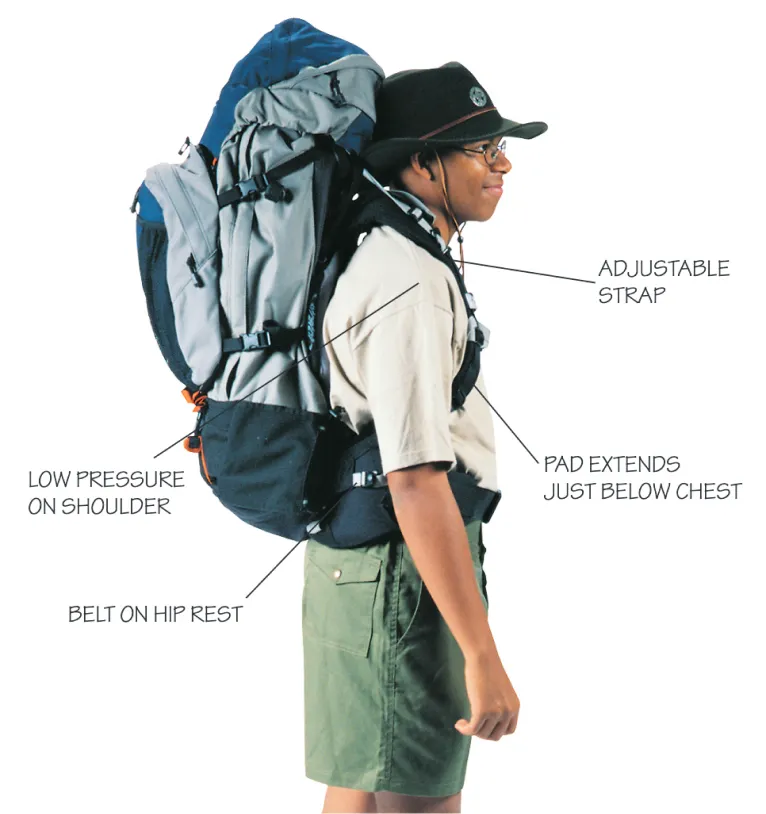
For overnight camping and backpacking, Scouts usually use a pack with either an internal or external frame. A frame helps support the weight of food, water, clothing, bedding, and gear, making the load easier and more comfortable to carry. The type of frame affects how the pack fits, balances, and works for different kinds of trips.
Advice on Backpacks, Including Capacity, Frame, Features and Fit
Internal-frame pack
Features
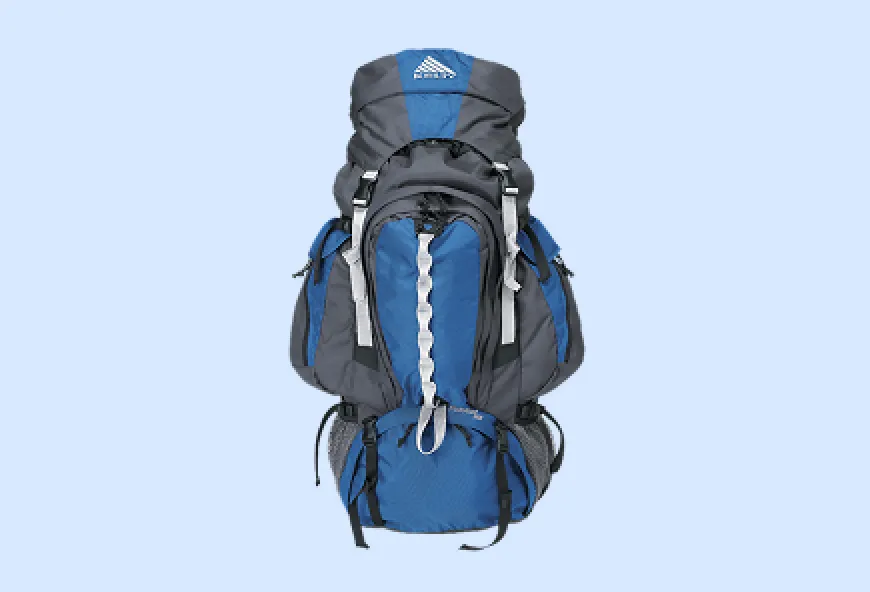
Has a frame built inside the pack. It usually has a streamlined, compact shape and fits close to the body.
Advantages
Many people find internal-frame packs fit better. Because they hug the body, they can make it easier to keep balance. They are useful for skiing, climbing, cross-country travel, and fitting into canoes.
Disadvantages
They may hold less bulky gear on the outside and can be harder to pack neatly because the frame is hidden inside.
External-frame pack
Consider
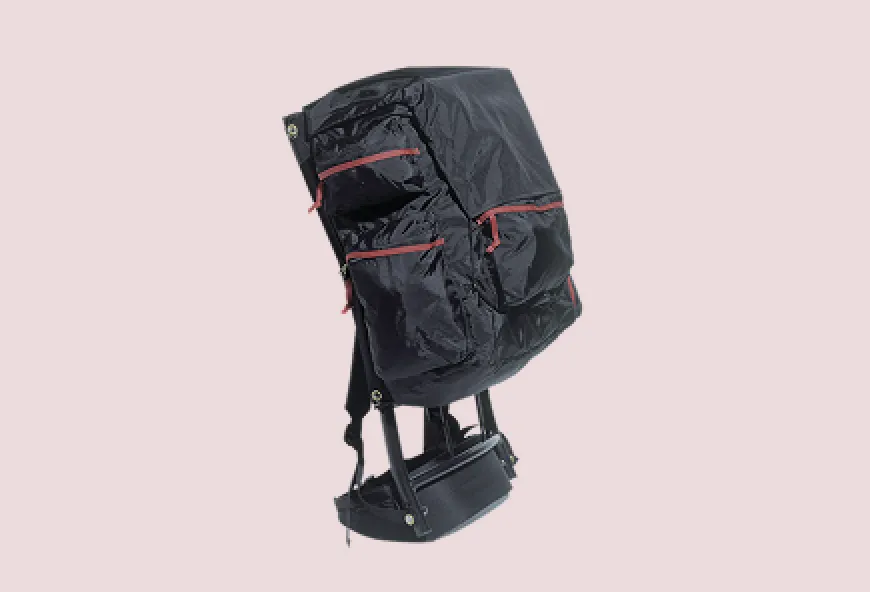
Has a visible frame on the outside of the pack. Gear is attached to or supported by the frame.
Advantages
Popular with Scouts who backpack on open trails or carry heavy loads. The outside frame can make it easier to attach some gear.
Disadvantages
They are bulkier than internal-frame packs and may be harder to use in canoes, dense brush, or activities where balance and a close fit are important.
Safety Reminder
Safety Reminder
During a lightning storm, move away from metal objects and remove backpacks with either external or internal metal frames. Place packs away from the group then follow your leader’s instructions for moving to a safer location. A backpack frame can conduct electricity, so it should not be kept on your back during lightning danger.