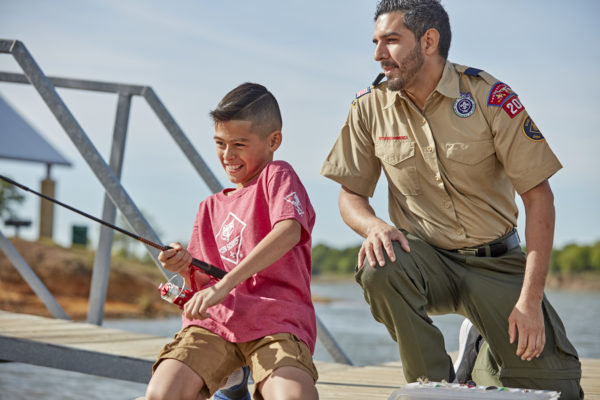
In Scouting, we will not compromise the safety of our youth, volunteers, and employees. Safety is a value that must be taught and reinforced at every opportunity. We are all responsible and must hold each other accountable to provide a safe environment for all participants. We are committed to abuse prevention by utilizing:
Mandatory youth protection training.
Criminal background checks.
Banning one-on-one adult and youth interactions.
Mandatory reporting of suspected abuse to law enforcement.
A volunteer screening database.
We are committed to injury and illness prevention by integrating safety measures in our handbooks, literature, and training materials, including the Guide to Safe Scouting. We expect leaders to use the four points of SAFE when delivering the program. SAFE Scouting measures include:
Youth are Supervised by qualified and trustworthy adults who set the example for safety.
Activities are Assessed for risks.
Pre-requisite Fitness and Skill levels are confirmed before participation.
Appropriate Equipment is utilized, and Environmental conditions are monitored.
When incidents do occur, we expect a timely, clear, and complete incident report. We are committed to learning from the data and modifying program guidance for the prevention of future occurrences.
Revised in November 2019, the Annual Health and Medical Record is required to be completed at least once a year by all participants in any Scouting activity. Kindly cease the use of all previous editions.
Scouts and their parents anticipate that all Scouting America activities will prioritize safety. To ensure participant well-being, Scouting America holds leaders accountable for adhering to the four points of SAFE when executing the Scouting program.
The timely submission of comprehensive incident reports serves as an indispensable cornerstone in our commitment to maintaining the highest standards of safety and continuous improvement within Scouting America programs.