
Scouting America

2025 November - December Edition

  • All
  • Aquatics
  • Awards
  • Biking
  • Camp Staff
  • Camping
  • Conservation & Environment
  • COPE/Climbing
  • Cub Scouting
  • Fishing
  • National Jamboree
  • National Outdoor Conference
  • NCAP
  • Outdoor Ethics/Leave No Trace
  • Properties
  • Range & Target Activities
  • Safety
  • Shooting Sports
  • Sponsored Content
  • Wheels & Board Sports

NCAP

Across Scouting America, thousands of young people experience life-changing adventures in the outdoors—hiking, swimming, campfire storytelling, and learning to lead under the stars. Behind every safe and successful camp stands a committed group of adults working to ensure that promise of excellence. 

You can be one of them. 

Scouting America’s National Camp Accreditation Program (NCAP) is how we ensure that every camp—whether day, resident, or high adventure—meets rigorous standards to ensure health, safety, program quality, and continuous improvement. Volunteers are the heart of this process. As an NCAP camp assessment team member, you’ll help councils deliver the best possible experience for youth, grounded in safety, preparation, and fun. 

Why You’re Needed 

Whether you’re a longtime unit leader, a chair or member of a council or district committee, a former camp staffer, Scouting alum, or someone who believes in the power of outdoor adventure, your experience matters. NCAP assessments bring together adult volunteers from across Scouting to ensure that camps stay strong, safe, and aligned with our movement’s values. 

What You’ll Do 

As a member of a camp assessment team, you’ll: 

  • Review safety and health practices to help keep every Scout, staff member, and leader protected. 
  • Observe and evaluate camp program delivery to ensure it’s engaging, age-appropriate, and aligned with Scouting’s mission. 
  • Support councils in continuous improvement, offering observations and recommendations based on NCAP standards. 
  • Work as part of a team, collaborating with other trained assessment team volunteers and council representatives. 

This role isn’t about finding fault – It’s about partnering for excellence, uplifting the great things camps are doing, identifying areas for improvement, and helping ensure long-term success. 


Why It Matters 

  • Protecting youth: Every assessment ensures that a camp is safe, well-prepared, and able to respond to emergencies. 
  • Improving programs: Assessors help councils maintain and raise the bar for camp experiences that inspire and grow youth. 
  • Building strong councils: Your volunteer service directly supports councils in delivering effective, compliant, and mission-driven outdoor programs. 
  • Giving back: Many volunteers see NCAP assessment team service as a meaningful way to continue serving beyond their local unit or after working in other Scouting roles. 

You don’t need to have camp staff experience to serve—just a commitment to Scouting, a willingness to learn, and the desire to help make camps better for every youth who attends. 

What’s Required 

  • Approval from your local council’s Scout Executive/CEO 
    You’ll need your council’s support to be added to an NCAP assessment team. 
  • NCAP assessor training 
    Training is available online through My.Scouting and must be completed annually. It prepares you to understand accreditation standards and how to apply them consistently and constructively. 
  • A flexible, service-oriented mindset 
    Assessments occur on a rolling basis throughout the year. You’ll work with your NCAP Zone Coordinator to be assigned to a camp that fits your availability and interests, or with your local council representatives if you serve as a self-assessor within your council. 

How to Get Started 

  1. Reach out to your local council’s Scout Executive/CEO and express your interest in serving as an NCAP camp assessment volunteer. They will need to approve you for service and send your name and contact information to the NCAP Zone Coordinator each year. 
  1. Complete the online training on My.Scouting once your council has approved your participation. Each NCAP Assessment Zone also holds an annual meeting and training in the spring (either virtual or in-person) that you’ll want to attend. 
  1. Stay connected with your NCAP Zone Assessment Coordinator and Council NCAP Chair to be assigned to an upcoming assessment. 

There is no fixed deadline—volunteers are welcome throughout the year, and your service can fit your schedule. 

Final Thought: Be Part of Something Bigger 

Scouting’s legacy of safe, high-quality outdoor adventure doesn’t happen by accident. It’s built and sustained by committed volunteers—people like you—who care deeply about the next generation’s experience. 

By serving on an NCAP camp assessment team, you’re not just helping a camp pass a checklist. You’re helping ensure that every Scout who sets foot on that property leaves with a life-shaping story. 

Ready to help raise the standard? 
Talk to your local council Scout Executive/CEO about how you can step into this vital role. 

NCAP / Safety

Creating or Updating Emergency Procedures on a yearly basis will help keep your plans up to date and a yearly review will help keep your camps safe. Here are some steps to help you in the process of developing clear and concise plans for your camps.  

  1. Establish the Planning Team
  • Camp director, Camping Director, DSS, health officer, ranger, program leaders, council risk management committee members, local EMS/fire/police reps. 
  • Assign clear responsibilities for developing, approving, and maintaining the plan.  
  1. Identify Risks & Hazards

Conduct a hazard analysis specific to your camp: 

  • Medical: illness, dehydration, allergic reactions, cardiac events, injuries. 
  • Weather: thunderstorms, lightning, tornadoes, floods, extreme heat/cold. 
  • Environmental: wildfires, hazardous animals (snakes, bears, insects). 
  • Facilities: kitchen fires, propane leaks, power outages, water system failure. 
  • Human-caused: lost camper, intruder, abuse, transportation accidents, active threat.  
  1. Define Emergency Response Protocols

For each hazard, write clear step-by-step procedures. 
Examples: 

  • Medical Emergency: 
  • Alert camp health officer. 
  • Call 911. 
  • Begin first aid/CPR. 
  • Have a runner meet EMS at camp gate. 
  • Notify camp director and council office. 
  • Severe Weather (Lightning/Tornado/flooding): 
  • Sound siren/air horn with pre-determined signal. 
  • Move campers to designated shelters (dining hall, storm shelter, program buildings).  Try to make this location the same for each of your camps if your council has more than one. 
  • Account for all staff and campers. 
  • Resume activities only when cleared. 
  • Lost Camper: 
  • Activate “lost camper plan” (last seen location, buddy system check). 
  • Staff form search teams. 
  • Notify authorities if not found quickly. 
  • Intruder/Active Threat: 
  • Lockdown or evacuate as appropriate. 
  • Notify law enforcement immediately. 
  • Follow council and BSA Youth Protection guidelines.  
  1. Communication Plan
  • Establish emergency signals (air horn blasts, bell, PA system). 
  • Keep updated emergency contact lists (local EMS, fire, police, DNR, poison control, council office, camp physician). 
  • Radios or cell phones for staff. 
  • Parent notification procedures.  
  1. Evacuation & Shelter Plans
  • Primary & secondary evacuation routes from camp to safe zones. 
  • Transportation logistics for large numbers (buses, staff vehicles). 
  • Shelter-in-place locations clearly identified. 
  • Maps posted in all program areas and cabins.  
  1. Training & Drills
  • Train all staff during staff week on procedures. 
  • Run drills (fire, lost camper, weather, medical) with campers. 
  • Document each drill and update plans from lessons learned.  
  1. Documentation & Resources
  • Maintain written Emergency Action Plan (EAP) in staff binders, health lodge, camp office. 
  • Include maps, emergency numbers, protocols, and key staff roles. 
  • Ensure copies are filed with council risk management and local authorities.  
  1. Review & Update
  • Review annually before camp season. 
  • After any real emergency, conduct a debrief and revise procedures. 
  1. Continuous Improvement
  • Emergency preparedness is never “done.” Even the best plans can become outdated as staff changes, facilities evolve, or new risks emerge. Encourage a culture where feedback from staff and participants is welcomed. Following each camp season, conduct a review meeting with your planning team to discuss what worked, what didn’t, and what can be improved. 
  • Use those insights to refine your Emergency Action Plan (EAP), adjust training modules, and strengthen coordination with local emergency services. A few minutes of review each year can make the difference between a well-managed response and a chaotic one. 

Final Thoughts 

  • Creating or updating your camp’s emergency procedures annually isn’t just a box to check; it’s a vital step in ensuring the safety and confidence of everyone who comes through your gates. By involving the right people, identifying realistic risks, practicing clear procedures, and committing to continuous improvement, you’ll build a proactive safety culture that protects campers, staff, and your council’s reputation. 
  • Preparedness doesn’t eliminate emergencies—but it ensures your camp is ready to respond effectively when they happen. 


National Jamboree

The countdown is on!  The National Jamboree is right around the corner, and your adventure starts now! From mastering your Scout skills to giving back to the community that hosts us, this is your chance to live in the true spirit of Scouting. 

Join Food Drive — Scouting for a Cause! 

As thousands of Scouts gather at the Summit Bechtel Reserve (SBR), we have a powerful opportunity to make a difference in West Virginia. 

Who we’re helping: 
Food banks across a 4–6 county area in West Virginia, beginning with all of Fayette County — home of the SBR. Every can and box you bring will help feed families in need. 

Our goal: 
Let’s donate 20,000 items to support our neighbors and show what the Scouting community can do together! 

Best items to bring: 

  • Peanut butter (no glass) 
  • Boxed mac & cheese 
  • Spaghetti & canned pasta sauce (no glass) 
  • Canned vegetables & beans 

Who can participate: 
Everyone coming to the National Scout Jamboree! Even if you’re flying, toss a lightweight item like mac and cheese or spaghetti into your pack. 

Prefer to donate money? 
We’ll also collect financial donations to bulk-purchase items for the drive — every dollar helps.  More information coming soon on how to make a secure financial donation! 

Where to drop off: 
Bring your items to the collection point at check-in and help us kick off Jamboree with an act of service that truly matters. 

Let’s show the world that “A Scout is Helpful.”  

Take on the Scout Skills Challenge! 

Think you’ve got what it takes? The Scout Skills Challenge is your chance to test your patrol’s skills, teamwork, and grit in a high-energy competition inspired by the Jamboree experience. 

Scouts will race against the clock to tackle core challenges like: 

  1. Search & Rescue: Carry your teammate safely through a 75ft course 
  1. Knots & Lashings: Tie and demonstrate essential Scouting knots 
  1. Shelter Building: Construct a functional shelter using limited materials 
  1. Fire Making: Build: and light a fire strong enough to burn through a suspended string 

Top times from across the country will be posted to the National Leaderboard and featured at the National Jamboree, where Scouts from around the country will be competing to see who has the best time.  Every participant who submits a score before the end of 2025 earns an exclusive National Jamboree sticker! 

Get creative, compete with your patrol, and bring the Jamboree energy to your winter and spring camporees and summer camps — then carry that excitement to SBR for the 2026 National Jamboree. 

Submit your score: bit.ly/jambo26skills_fb 

This is more than preparation — it’s the first step in your journey to Elevate the Jamboree experience.  Every knot tied, every can donated, every flame sparked lifts us closer to the unforgettable adventure awaiting at the Summit.  Let’s Elevate our service, our spirit, and our commitment — living Scouting’s values boldly and proudly every step of the way. 

Camp Staff / Camping

“If you hire people just because they can do a job, they’ll work for your money. But if you hire people who believe what you believe, they’ll work for you with blood, sweat, and tears.” – Simon Sinek, author & speaker 

For most camps, finding and keeping an excellent camp staff is the thing that separates the “OK” from the awesome. It can be truly difficult. What makes this challenge less challenging? 

  • Do Not Settle – First, determine who should NOT come back. This is a culture builder. It may seem obvious, but the goal is not to fill all the spots on the org chart. It is better to have fewer staff (even if you need to change your program), than to have mediocre or toxic staff as a drag on your team.  
  • Year-Round Fun – Getting your team together for holiday parties, support of council events, or to staff short-term camps is a great way to remind your team how much fun they have when they get together and to build commitment and anticipation for next summer.  
  • Hire Early – As one season ends, the next begins. It isn’t too early to talk about possible future roles. A holiday gathering is a great time to get that solid commitment for the next season. Better still, hire your director staff before that and send them on a recruiting palooza at your holiday gathering. 
  • Room to Grow – Don’t let your experienced staff get bored. Helping them get where they want to go both recognizes their service and builds their loyalty and your skill base. 
  • Training and Scholarships – Plan for the future by sending people to National Camping School or other quality training. If at all possible, find ways to fund education for those attending university or trade schools (think EMT, culinary, and other specialties). It may seem expensive, but is there such a thing as too many qualified people? 
  • New Roles and Responsibilities – Recognize excellence and leadership by promoting skilled team members to new areas. Ask for their input as you develop programming. What things on your to-do list can be done by experienced staff as off-season volunteers? And if you do not have a role at your camp, help them connect with another camp for a new adventure (Eek! Can we do that? Yes! And your short-term loss often becomes a long-term gain when they come back to you with friends or new skills).  
  • They Have Friends… – Your staff knows what qualities we need for our camps and can share a realistic picture of camp life. They likely affiliate with folks who have those qualities. A referral bonus is a great way to keep recruiting in front of their brain to bring in those new staff. 
  • Alumni – Just because a staff member cannot return, doesn’t mean they love camp less. Like your best staff members, alumni are a great source for new, quality recruits. Make sure you ask them to help.  

Experienced camp staff and leaders know the obstacles and challenges of long days, conflicting schedules, FOMO, and the need to earn “real” money that our camp staff share. But making our staff part of the ongoing development of your camp and Scouting keeps them invested even after life takes them down a different path.  

What did we miss? For more information about recruiting, training, and retaining your best staff, join and add your thoughts to our Teams page at: Staff Recruitment and Training. Check out the extensive resources from the American Camping Association (ACA), too. We’ve even done the search for you: https://www.acacamps.org/search?keys=staff+retention 

Camping

As Scouting America continues to strengthen its outdoor experiences, leadership plays a vital role in shaping the programs and properties that inspire the next generation. We recently sat down with Scott Anderson the newly appointed Chair of the Outdoor Programs and Properties Committee, to learn more about his vision, priorities, and passion for the outdoors. 


Q&A with Scott Anderson, Chair of the Outdoor Programs and Properties Committee 

Q: What inspired you to take on this leadership role within Scouting America? 
A: I am the product of a strong Scouting unit program, and I know firsthand the impact that great leadership and a strong outdoor program can have on young people. Scouting gave me opportunities to explore nature, challenge myself, and learn to lead, each of these experiences that shaped who I am today. Taking on this role is a way to give back and help ensure that every youth in Scouting America has the same opportunity to get outdoors, have fun, and develop confidence and leadership through real experiences. 


Q: The Outdoor Programs and Properties Committee covers a wide range of responsibilities. How do you describe the mission of the committee? 
A: Our mission is to support our councils and the variety of outdoor programs that Scouting uses to deliver its values-based leadership experience for youth, and to make sure those programs are delivered safely and sustainably across our properties. The committee brings together experienced volunteers and subject matter experts to help Scouting stay relevant, inspiring, and focused on developing young people of character and leadership. 


Q: What are some of your top priorities for the coming year? 
A: Our priorities align closely with Scouting America’s Roadmap. We’re focused on being a leader in safeguarding youth by ensuring all our outdoor programs and properties meet the highest standards of safety and quality. We also want to change the way we work together by simplifying and streamlining the National Camp Accreditation Program to remove barriers and better support councils. At the same time, we’re working to make our outdoor programs highly relevant to today’s youth, broaden our appeal through exciting and accessible experiences, and strengthen our financial position by helping councils use their properties more efficiently and sustainably. 


Q: How does the committee support local councils? 
A: We support councils by connecting them with resources, expertise, and best practices for delivering safe and effective outdoor programs. Whether it’s camp operations, aquatics, range and target activities, COPE, climbing, or property management, our subcommittees and subject matter experts work collaboratively to provide guidance, training, and tools that help councils strengthen their local programs and facilities. 


Q: Outdoor programs continue to evolve. How do you see Scouting adapting to the interests of today’s youth? 
A: Today’s youth are seeking adventure, relevance, and purpose. Scouting’s outdoor program is uniquely positioned to meet those needs by blending traditional outdoor skills with modern learning opportunities, including high-adventure activities, STEM integration, and outdoor leadership experiences. We’re also focusing on accessibility, ensuring that every youth, regardless of background, has the chance to experience the fun, challenge, and personal growth that come from being outdoors. 


Q: What role do volunteers play in advancing the committee’s goals? 
A: Volunteers are the backbone of this effort. Each subcommittee is led by dedicated Scouting volunteers with proven leadership and expertise in their fields. They work closely with subject matter experts to shape and deliver the best possible outdoor experiences. Our volunteers make it possible to translate national vision into local impact ensuring that every youth member benefits from safe, meaningful, and fun outdoor adventures. 


Q: What excites you most about the future of outdoor programs and properties in Scouting America? 
A: What excites me most is the potential to reimagine the outdoor experience for a new generation. We have an opportunity to make Scouting’s outdoor programs more accessible, more innovative, and more connected to what motivates youth today. By investing in our properties and expanding program options, we can ensure that the outdoors remains the foundation for leadership development and lifelong learning in Scouting America. 


Q: How can others get involved or support the work of the committee? 
A: There are many ways to get involved – from serving on a council or district committee, to becoming a Short-Term Camp Administrator, a Distinguished Conservation Service Award advisor, or part of an NCAP Area Camp Assessment Team. Professionals and educators can also share their expertise in areas like safety, sustainability, and program design. Most importantly, everyone can help by getting Scouts outdoors! Every hike, campout, and service project helps build young people who care about their world and can go on to lead lives of impact and purpose. 


Closing Thoughts 

As Scott takes on the role of Chair, it’s clear that the future of Scouting America’s outdoor programs and properties is in capable hands. His leadership brings a renewed focus on innovation, sustainability, and collaboration which will ensure that every Scout has a place to explore, learn, and grow. 

Camping

We are excited to invite your council to send a Council Contingent to Philmont Scout Ranch during the summer of 2027 — and we are deeply grateful for the work you do every day to inspire young people and strengthen Scouting in your community. 

A Council Contingent is defined as a “Provisional Expedition composed of Scouts, Venturers, and Leaders.”  

Council Contingents are also a powerful way to reach youth and leaders who may not otherwise attend, helping to prepare future leaders while strengthening your council’s culture of high adventure. We are thankful for the partnership of local councils in making this possible. 

Action Needed: To reserve your space for 2027, your council Scout Executive or their designee must complete the Council Contingent Reservation Form and return it by October 15, 2025.  

No deposit is required for council contingents. The first payment will be due January 31, 2026, and we are happy to work with councils on payment deadlines that align with your local needs. 

As you recruit, please remember: 

  • Minimum crew size is 8, with at least 3 adults. 
  • All participants must meet Philmont’s height/weight and health requirements (see the High Adventure Risk Advisory and BSA medical form for details). 
  • Philmont offers scholarship opportunities to help reduce financial barriers so that more youth can experience this once-in-a-lifetime adventure. 
  • Our staff is available to visit your council or units virtually, or potentially in person, to answer questions and inspire Scouts and families to sign up. 
  • Philmont also provides on-site adult leadership support for contingents, so councils can be confident that their youth will have the guidance and encouragement they need while on trek. 

We are truly grateful for your commitment to Scouting and to giving young people extraordinary opportunities. Thank you for your continued partnership in making Philmont a reality for the next generation of Scouts. We look forward to welcoming your council’s 2027 Philmont contingent and sharing with you all that makes Philmont the adventure of a lifetime. 

Questions? Email Matt.Hart@scouting.org  

Camping / Sponsored Content

For many Scouts, the first glimpse of canvas tents lined up across a meadow is when the magic of camp begins. Those familiar green roofs and wooden decks are more than just places to sleep—they are symbols of adventure, teamwork, and traditions that stretch back generations.

Yet across the country, camps are facing a challenge. Canvas that has weathered countless summers is starting to fray. Frames that have stood through storms are growing tired. Inventories shrink, and the thought of “starting over” with new equipment can feel overwhelming—financially and culturally. That’s where Mscapes comes in. Our team believes strongly in preserving the traditions of Scout camping while providing practical tools to keep those traditions alive for the next generation. Instead of asking camps to replace everything at once, we focus on extending the life of the tents you already know and love. One way we do this is by offering  replacement canvas covers that fit right onto existing frames. Whether your camp has classic Diamond Brand tents or a mix of other designs, our covers are made from durable, weather-resistant fabrics that extend the life of your tent inventory. A simple swap keeps Scouts dry at night and programs running strong—all without the need for costly overhauls.

For camps where frames are the concern, we provide upgraded steel and aluminum systems built to today’s safety standards but designed to maintain the look and feel everyone recognizes. In most cases, existing decks and platforms can remain the same, saving time and labor while keeping your camp footprint intact. But Mscapes doesn’t stop at repairs and replacements. We know that camp directors face the tough job of balancing budgets while delivering the mission. That’s why we also partner with councils to design revenue-generating options. A growing number of camps have started opening select tent sites to families during the off-season. Parents, siblings, and community members get to experience the same tents Scouts use, often for the first time. These rentals provide steady income that offsets maintenance costs and, in many cases, spark fresh interest in the Scouting movement.

At one council, families booked weekends in the very tents their Scouts camped in all summer long. The experience strengthened connections between parents and the program and created new stories to share around family dinner tables. For the camp, it was a simple way to stretch budgets further—without losing an ounce of tradition. We also understand that change can feel daunting. Budgets are often approved years ahead. Volunteers can be cautious about “too much, too fast.” And the calendar always seems to be counting down to the next summer. That’s why our philosophy is to help camps take incremental, affordable steps forward.  Some start with covers. Others focus on frames. Many add rentals when the timing feels right. There’s no one-size-fits-all approach—just practical solutions that honor the culture you already cherish. Because at the end of the day, a Scout tent is more than canvas and poles. It’s a first campfire, a rainy night turned into a memory, and friendships that last long after summer ends. Preserving that spirit is at the heart of everything we do.

At Mscapes, we are honored to walk alongside Scouting America in this journey. Together, we can keep those tent cities standing tall—ensuring that every Scout, now and in the future, has a place to dream, discover, and belong. 

National Outdoor Conference

Thank You for Joining Us at the Scouting America National Outdoor Conference 

We are deeply grateful to everyone who participated in the Scouting America National Outdoor Conference. With an incredible turnout of 407 participants representing 113 different councils, your enthusiasm and commitment made this event truly special. 

We began the week talking about our connectedness and support for one another like the Coastal Redwoods by locking our arms together in a show of support. We then took a trip through your council camp and your staff to the tour of high adventure bases and the top of Kilimanjaro and then a long journey along the Appalachian trail. Through it all we worked to meet our conference theme of “Rooted in the Outdoors, Scouting’s Path Forward”. 

This year’s conference featured 114 different electives, providing a wide range of hands-on learning opportunities that empowered all the camp leaders in attendance. The three outstanding general sessions were highlights of the event, especially the unforgettable Friday night presentation by Jennifer Pharr Davis. Jennifer captivated us with her inspiring stories about hiking and running the Appalachian Trail, including her remarkable record-setting run, completing the trail in just 46 days. 

We also want to extend our sincere thanks to the 29 vendors and sponsors who supported the event, with special gratitude to our title sponsor, Black Pug Software, whose partnership helped make this gathering a great success. 

From workshops to keynote sessions, each experience was enriched by your energy and passion. Thank you for making the time to be with us, for engaging fully in every moment, and for supporting the mission of Scouting America. Your dedication strengthens our community and inspires us to remain “Rooted in the Outdoors” as we move Scouting forward.  

We look forward to seeing you at our upcoming events and continuing this journey together.  Plan now for joining us in September of 2027 for the next National Outdoor Conference.  Until then, keep exploring and stay connected! 

Camp Staff / Camping

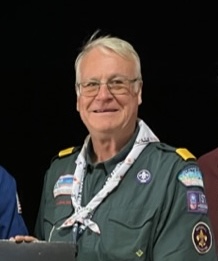
We are pleased to announce the selection of Chris Herold as Sr. Program Administrative Specialist – National Camping School, effective October 1, 2025. Chris brings more than 13 years of professional Scouting leadership experience to the role. 

After seven summers on camp staff, Chris began his professional Scouting career in 1990 with the Cascade Pacific Council, serving as Exploring Executive, District Executive, and Senior District Executive—all while holding camp leadership positions. 

He later led a construction services company before earning a Master’s in Teaching in 2002. Chris taught for ten years, then became a school administrator for six years, serving as Principal and Early Childhood Director. In these roles he developed innovative curriculum, summer camps, technology integration, service programs, and accreditation initiatives. 

Chris returned to Scouting in 2018 as Camping Director of Cascade Pacific Council. There, he built strong outdoor committees and partnered with seasonal Camp Directors to strengthen programs, operations, and events. His team guided five camps in Northwest Oregon through the challenges of COVID. He also advanced hiring and retention systems, proactive mental health training, streamlined registration, and significantly expanded trading post operations.  

An Eagle Scout with one palm, Chris is a Brotherhood member of the Order of the Arrow and has served as both staff and participant at National Camping School. He and his wife, Kellie, enjoy international travel, time with friends and their adult children floating the Deschutes River or walking the beach, and their large extended families (Chris is one of nine, Kellie of ten). 

Chris looks forward to leading and supporting National Camping Schools and national committees to help camp leaders deliver safe, high-quality programs across the nation. He will report to Tom Pendleton, National Director of Outdoor Programs and Properties, and will be based in Irving, TX. 

See the Most Popular Content!

Subscribe to the Trail to Adventure blog
Email blast!
Subscribe to the Trail to Adventure blog
Email blast!
Chat Icon
Scoutly Toggle Size Close Chat

Bray Barnes

Director, Global Security Innovative
Strategies

Bray Barnes is a recipient of the Distinguished Eagle Scout Award, Silver
Beaver, Silver Antelope, Silver Buffalo, and Learning for Life Distinguished
Service Award. He received the Messengers of Peace Hero award from
the royal family of the Kingdom of Saudi Arabia, and he’s a life member of
the 101st Airborne Association and Vietnam Veterans Association. Barnes
serves as a senior fellow for the Global Federation of Competitiveness
Councils, a nonpartisan network of corporate CEOs, university presidents, and
national laboratory directors. He has also served as a senior executive for the
U.S. Department of Homeland Security, leading the first-responder program
and has two U.S. presidential appointments

David Alexander

Managing Member Calje

David Alexander is a Baden-Powell Fellow, Summit Bechtel Reserve philanthropist, and recipient of the Silver Buffalo and Distinguished Eagle Scout Award. He is the founder of Caljet, one of the largest independent motor fuels terminals in the U.S. He has served the Arizona Petroleum Marketers Association, Teen Lifeline, and American Heart Association. A triathlete who has completed hundreds of races, Alexander has also mentored the women’s triathlon team at Arizona State University.

Glenn Adams

President, CEO & Managing Director
Stonetex Oil Corp.

Glenn Adams is a recipient of the Silver Beaver, Silver Antelope, Silver Buffalo, and Distinguished Eagle Scout Award. He is the former president of the National Eagle Scout Association and established the Glenn A. and Melinda W. Adams National Eagle Scout Service Project of the Year Award. He has more than 40 years of experience in the oil, gas, and energy fields, including serving as a president, owner, and CEO. Adams has also received multiple service awards from the Texas Alliance of Energy Producers.