The differences between a charge card, debit card, and credit card, including the costs and pitfalls of using these financial tools, and why it is unwise to make only the minimum payment on your credit card
Bank Cards
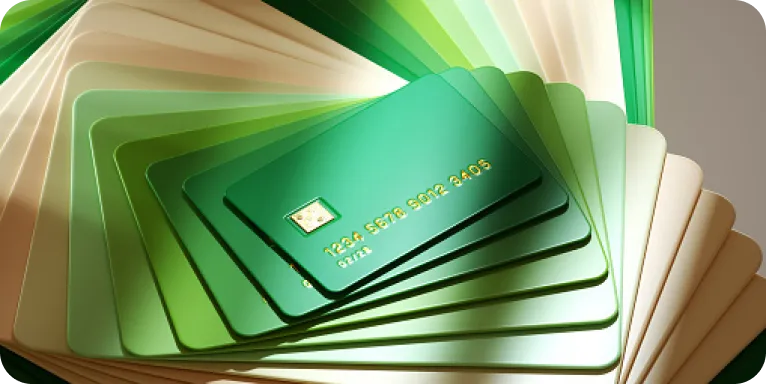
Charge cards, debit cards, and credit cards may look similar and may be used in similar ways, but they are not the same. The main difference is where the money comes from and whether you are allowed to leave part of the bill unpaid and pay it later: This is called carrying a balance.
Card Comparison
How It Works
Main Costs or Pitfalls
Debit card
Connected to your checking account. Purchases are deducted from money already in the account.
You must track your balance so you do not spend more than you have. Fees may apply in some situations.
Credit card
A form of loan from a bank or credit card company. You charge purchases and receive a bill later.
If you do not pay the full balance, a finance charge is added. Interest can make purchases much more expensive.
Charge card
Used to make purchases now, but the balance usually must be paid in full when the bill is due.
You may face fees or penalties if you do not pay the full bill on time.
Animation: The Difference Between Credit and Debit Cards
Did You Know:
Credit cards can lead to financial problems when they are not used carefully.
Credit cards may not feel like “real money,” making it easier to buy items you cannot afford.
If you do not pay the full balance, interest is added to the unpaid amount.
The longer it takes to pay off the balance, the more expensive the original purchase becomes.
Reaching your credit limit means you must stop using the card until you pay off some of the debt.
You are personally responsible and legally obligated to repay the amounts charged to your card.